


This post is also available in:
 Tamil (தமிழ்)
  Sinhala (සිංහල)
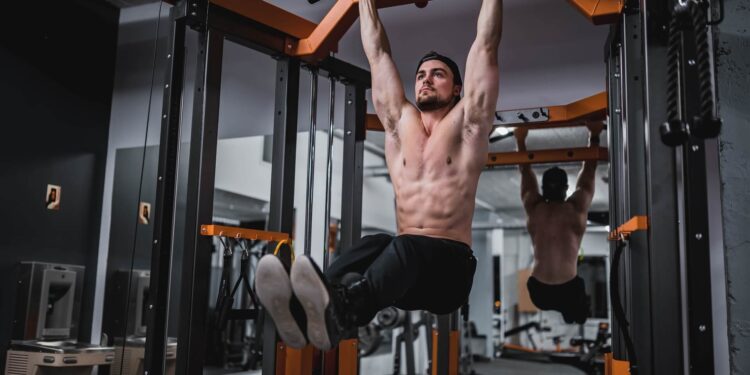
The image of fitness over the years has always been the same – one man, a pair of headphones and lifting weights in the gym alone. That picture, however, is quickly becoming one that’s out of date. Whether it’s a group run, an outdoor circuit or a fitness event for the community, people are giving up on solo fitness in cities all over the world.
It’s no fad. It is now more of a lifestyle change, particularly with young adults in cosmopolitan areas.
From isolated lifting to group movement
The focus in traditional gyms is often on personal objectives. You keep your personal records, work your own routine, and don’t chat too much with others. This has been an effective solution for those who prefer structure and privacy for a long time.
However, many, particularly younger adults, are longing for something more. People are craving real connection after being so much in front of their screens and working remotely. They don’t want to look at screens; they want to see faces. Exercise is no longer just about doing exercise; it’s about gathering for exercise.
Hybrid fitness and social movement clubs fill the role here.
So what are Social Movement Clubs?
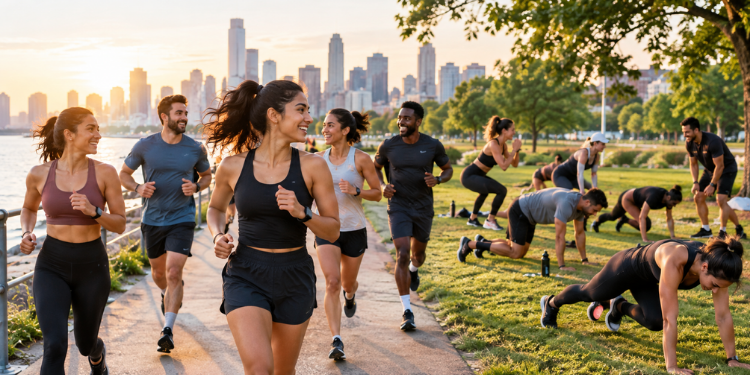
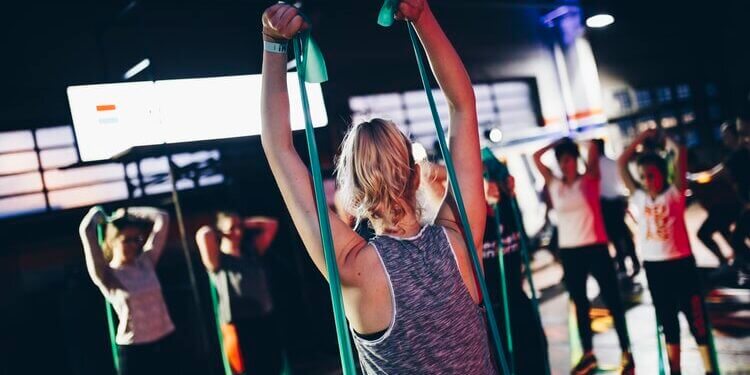
Social movement clubs combine exercise and friendship. People aren’t coming to a gym by themselves but in a group and moving together. The most popular one is the running club.
Clubs are mushrooming in popularity in cities throughout the world. Members get together on weekday evenings or weekend mornings and run together as a group and may finish with coffee, breakfast or an informal gathering. The run almost becomes of secondary importance. The true draw is the people.
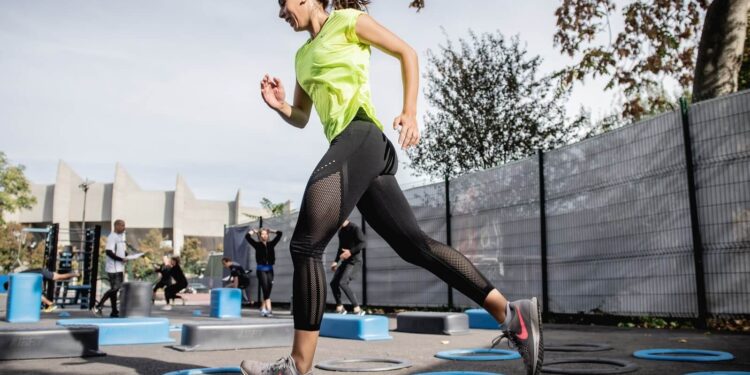
The same applies to outdoor fitness circuits. Groups do not run; they work out in the parks with a variety of activities that involve no equipment, such as bodyweight exercises, short sprints, and partner drills. These sessions may be done by a coach and/or organizer, but it feels more like a social gathering than a class.
Here’s why Hybrid fitness is taking over
Hybrid fitness is the combination of varied exercise modalities, such as cardio, strength, and mobility. It isn’t about having only one certain workout routine; it’s about creating variety according to what works and when.
Why this style is so popular:
- It fights loneliness. It can feel lonely doing your own workouts, particularly for those who are already lonely during their daily routine or working remotely. People can get social interaction in their weekly schedule through group fitness.
- It is adaptable to a hectic and unpredictable schedule. Rather than signing up for a set regimen in the gym, hybrid fitness allows individuals to choose a day to run, a day to strength train, and a day for a fun group hike at the weekend. It’s not a task to be done; it’s a way of living.
- It’s motivating. They’re easier to avoid than going for a solo workout. Social accountability enables people to remain consistent, even when they don’t want to.
- More affordable and available. There are some running clubs and outdoor circuits available, some of which are free or very low cost, which is quite a difference from gym membership or personal training. For all you, it’s simply running shoes and a determination to show up.
- It resonates with young people’s enjoyment of time. This new method combines “workout time” and “social time.” Running in the morning and then having coffee turns into a morning get-together where you can run and socialize.

A weekly ritual of the new kind
The weekend morning workout has become an alternative to sleeping in or scrolling through the phone for many young city folk. Local parks are now a regular part of the weekend, and many residents enjoy going there for outdoor activities and even breakfast or brunch with their fellow park-goers.
This change is part of a larger cultural change. There is a growing awareness among people of how they spend their free time. In contrast to the passive activities of watching television, many are opting for active, social ones that leave them feeling both physically and emotionally re-energized.
How to Get Involved
This type of fitness is a good one to try and getting started is much simpler than one might think:
Check out social media or city fitness apps for local running groups.
Check any community boards in a local park or café for outdoor fitness meet-up times.
Make inquiries with friends or colleagues about any groups that are established and meet regularly.
Begin at a beginner level, as many gyms will take all fitness levels.
Show up consistently. The more you engage in the community, the more it becomes a powerful aspect.
Most groups are very welcoming to newcomers. You don’t need to be an experienced athlete to join. Many clubs, in fact, create inclusive settings in which novices and pros train together.
Fitness as Connection, Not Just Exercise
Social movement clubs are a sign of something that is important: people aren’t only interested in getting fit. They want to feel connected, and they want to do it. What used to be a one-on-one workout is giving way to fun with friends at group runs and circuits and laughter and encouragement at meetups on the weekend.
The trend toward hybrid, social fitness is continuing and it’s evident that movement is shifting from isolation to community. The idea of burning calories isn’t the best motivator for many people these days. It’s about doing it together!













Discussion about this post