


This post is also available in:
 Tamil (தமிழ்)
  Sinhala (සිංහල)
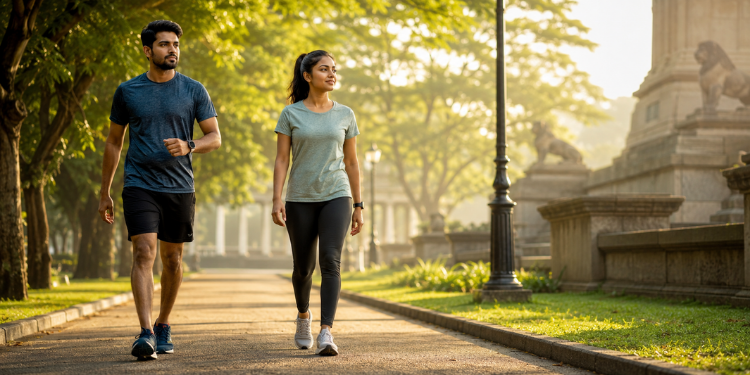
No gym membership is required. There’s no need for fancy equipment. Even if you don’t need to run! All you need to do is put on a pair of shoes and follow a footpath and a whole global fitness craze will unfold before your very eyes, and Sri Lanka is a prime location to experience it.
It is known as Japanese walking. In 2026, the number of searches for it has increased by almost 3,000 percent across the world. That is not a typo.
Everything you need to know about it and how to get started, at Independence Square, Diyatha Uyana, Bellanwila, or anywhere you walk in Sri Lanka.
So what is Japanese Walking?
In 2007, the Japanese walking method of interval walking was developed by researchers at Shinshu University in Japan. It’s a very elegant idea. A walking session consists of 3 minutes of slow, steady walking followed by 3 minutes of hard-effort walking. This pattern is repeated five or more times. That’s your workout, in 30 minutes or less.
It’s almost like it’s a walk in the park. The research is based on, however, is solid. Faster walkers who walked according to this method over five months improved significantly more than moderate walkers in aerobic fitness, leg strength, and blood pressure, according to the original study.
It is the interval structure that is the key. If you exert yourselves for 3 minutes and then let out slowly, your heart rate increases and decreases in a more challenging pattern than a level walking pace would provide. The fast phase requires more effort from your muscles, particularly back and abdominal muscles, as well as lower leg muscles. And the slow phase provides you with just enough recovery to go all out again in the next round!
How it’s Ideal for Sri Lankans
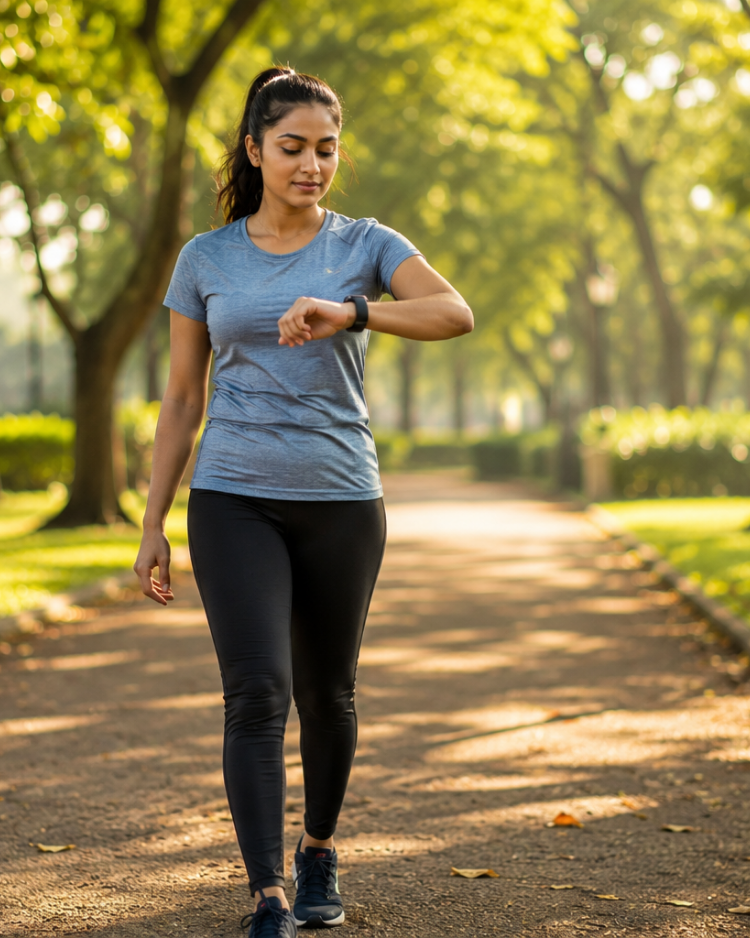
Walking is a well-established cultural practice in Sri Lanka, with a strong history of increasing numbers of people who enjoy the experience. Hundreds of people are already strolling around Independence Square, Colombo, on any morning. This is also the case at Diyatha Uyana in Sri Jayawardenepura, Bellanwila walking path, Viharamahadevi park and seafront roads in Galle and Negombo.
But most of these walks aren’t very different from this: a comfortable, flat, easy pace, same time all day, every day. This is okay. It’s better than sitting on a chair. However, for those seeking tangible fitness benefits, improved cardio, reduced blood pressure, weight loss, stronger legs and walking at a steady pace are genuine limits of steady pace walking.
The body quickly gets used to regular movement. After a couple of weeks of walking at the same speed, you become so efficient at walking that you don’t burn as many calories as you might at first. The challenge disappears. And with it, the progress.
The Japanese walking solution will fix this problem without you even having to run, go to the gym, or move where you exercise. It’s a change in your gait.
Do It in Sri Lanka Step by Step describes how to complete a task in Sri Lanka, step-by-step
Once the method is understood, it is easy to follow.
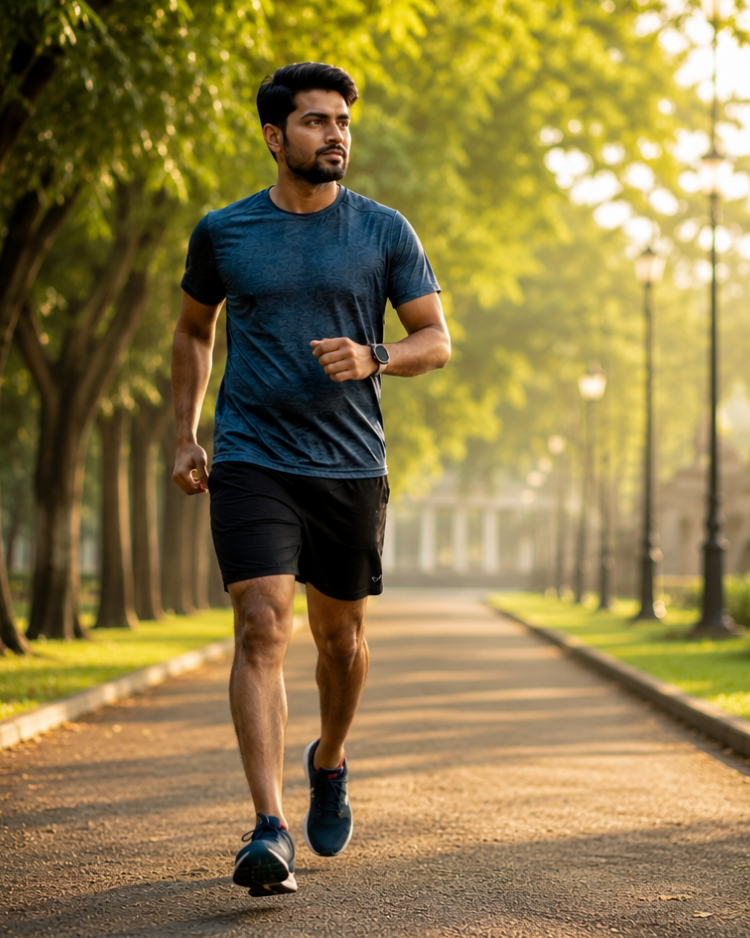
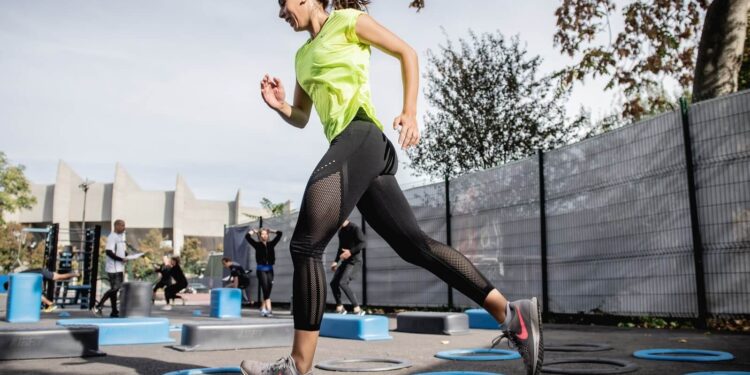
Begin with 3 minutes of leisurely walking. This is your warm-up, and this is your recovery phase. It is expected that a conversation should be possible without difficulties. Then for 3 minutes walk at a fast pace, real fast, where you would find it difficult to say full sentences. Swing arms, extend out on the legs and move purposefully. Then resume slow walking for 3 minutes. Alternate this for 5 full cycles (30 minutes total).
It’s the entire workout. Five slow phases, five fast phases, 30 minutes, finished.
With fitness gained in the weeks, increase to 6-7 cycles or go faster on your fast phase. The slow phase must always feel like it is easy in order to push harder in the next fast phase.
The best places to try Japanese walking in Sri Lanka
The flat, measured loop makes timing your intervals easy and Independence Square is perfect. A natural mental landmark is 1 loop (approx 600 metres).
In the scenic Diyatha Uyana, Sri Jayawardenepura, there is a path along the lake sufficiently long to circumnavigate several times without going over it again. Fewer people are at Independence Square and it seems more relaxed.
Bellanwila Road and the surrounding areas provide a tranquil path which is popular among early morning walkers in Dehiwala and Maharagama.
The Kandy Lake circular path is great for those outside Colombo. The seafront road, close to the fort, is working well in Galle. You don’t need to have a special track or facility; just virtually any flat, clear footpath will do.
The ideal time is from 5:30 AM to 7 AM before the heat rises in Sri Lanka. These are much more comfortable in the cool air and are less likely to overheat during the fast phases.
What to Expect in the First Month
The first week, the fast phases will be a real challenge. Some rounds may require a stop to catch your breath. It’s okay, it’s normal. If necessary, slow down during the fast phase; even a brisk walk will get the heart rate ticking over.
Most people report that the fast phases are easier by week three. They start to breathe at their heart rate. They are more active in the daytime. Others might feel an increase in the size of their waistband.
Cardiovascular changes can be seen by the end of month one. A significant drop in blood pressure is accomplished in individuals with hypertension. There is a marked increase in leg strength, especially in the thighs and calves.
The Bottom Line
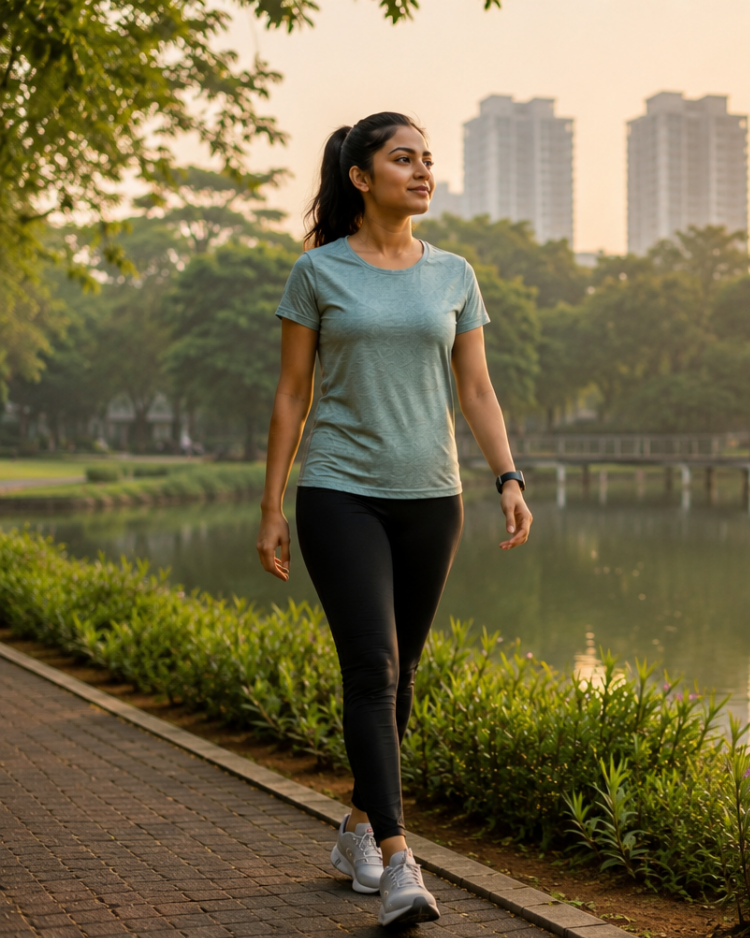
Walking in Japan is no gimmick. It is a proven, no-cost and effective fitness programme that matches the Sri Lankan lifestyle. You already walk. You have an existing footpath! All you’re changing is the beat.
Three minutes slow. Three minutes fast. Repeat. That’s it.
“It’s the fastest-growing fitness craze, it requires no equipment, and it’s ideal for any footpath in Sri Lanka. What can stop you for the next three minutes?”











Discussion about this post