

This post is also available in:
 English
 Tamil
Life is hectic in the modern world. There are many times we are on a razor-thin schedule for work, stuck in traffic, with phones on us and training schedules. Our body’s tension and alertness can remain after a difficult workout has been completed. This can make it more difficult to rest, sleep and recuperate.
Neurowellness is a new paradigm in wellness that addresses the issue. Analyses and treats the nervous system, not just the muscles. We’ll take a look at some simple exercises that can be completed in 5 minutes, and discuss what science is saying and not saying.
What Is Neurowellness?
Neurowellness is a way of caring for your nervous system. It is designed to help your body feel safe and calm, allowing it to repair and rest.
There are two major states of your nervous system.
- Fight or flight: Alert mode. Your heart races, your breathing quickens and your muscles tighten. It assists you to cope with danger or pressure.
- Rest and digest: This is a relaxed state. Your heart rate drops and your breathing becomes deeper, allowing your body to digest food and repair itself.
We can stay in the first mode too long when stressed, or when we have a lot going on. Neurowellness drills attempt to assist us in changing to the second one.
The Vagus Nerve: What is it?
The vagus nerve is a long nerve that connects the brain down through the neck, chest and belly. It has a significant role in the rest and digest mode. Promotes a slow heart rate and aids digestion.
The word “vagal tone” will appear. It’s a way of indicating the effectiveness of this nerve in calming your body. It can be estimated by researchers using a measure of heart rate variability (HRV). An increased HRV typically indicates greater overall calmness and recovery.
Why It Matters After Workouts
Hard exercise means purposefully putting your body in an alert state. Then, you need to calm down again to be able to rebuild muscle, refill energy and get ready for bed. When you’re in the gym and then rush home, drive in a hurry, and then rush to your email, your body can remain tense for several hours.
Calming exercises after exercise can assist in calming down the body more quickly. Here’s a disclaimer: I’m being honest. There’s not a lot of research into exactly how many of these drills are accelerating the muscle repair process. But we know that rest, sleep and low stress are all components of recovery. These drills are a great enabling habit to develop then.
Drill 1: The Nose Squeeze
This is an easy breathing technique to master.
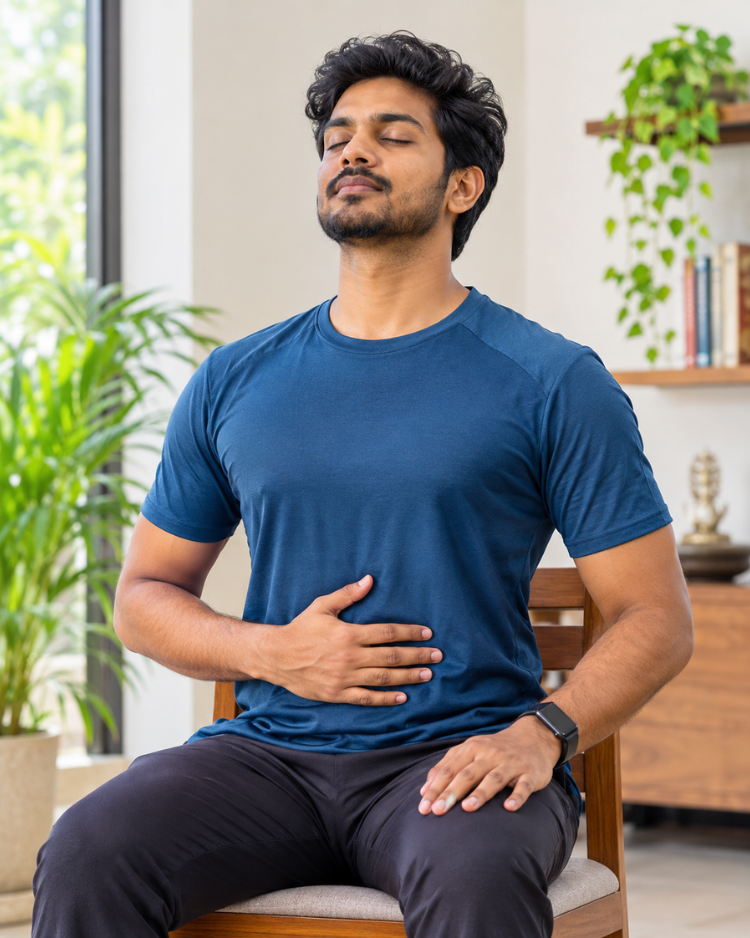
- Take a deep breath in through your nose.
- Take one more quick breath in through your nose without expelling air, without pausing to catch your breath, and without breathing out. With no pause for breath, no pause for air to come out of your mouth, but with full lungs, take one more quick breath in through your nose.
- Slowly exhale through your mouth as long as possible.
- Repeat 1 – 3 minutes.
The long exhale is what helps. Slow, controlled breathing – including sighing –has resulted in some studies in an improvement in mood and reduction in breathing rate. Most feel more relaxed after a couple of rounds.
Drill 2: Humming
Humming is a soft technique to slow down breathing. Breathe in slowly, hum quietly as you breathe out. Squeeze the feeling in your chest and throat. Repeat for 1-2 minutes at a comfortable pitch.
Others say that the humming activates the vagus nerve, which is found near the throat. The concept is widely accepted and the evidence is preliminary. Slow exhales, however, are known to be calming, and slow the exhale, even with the humming.
Drill 3: Slow breathing with a long exhale
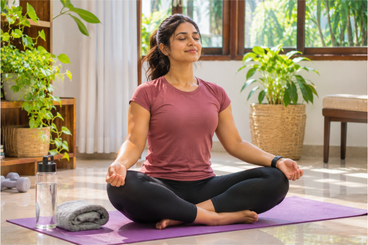
Sit comfortably. Inhale for 4 counts through the nose. Exhale for 6 – 8 counts out through the mouth. Continue for 2 minutes.
Maintain steady breathing. Do not strain. It is the out-breath that is the most important component; the out-breath is a calming message to the body. If dizzy, go back to normal breathing and lie down for one minute.
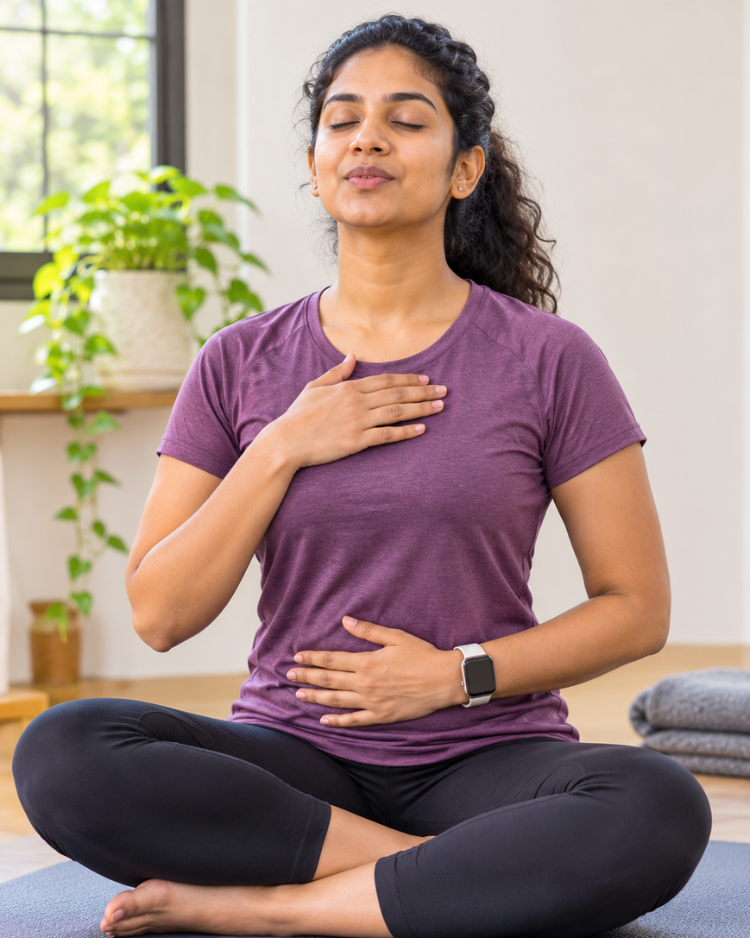
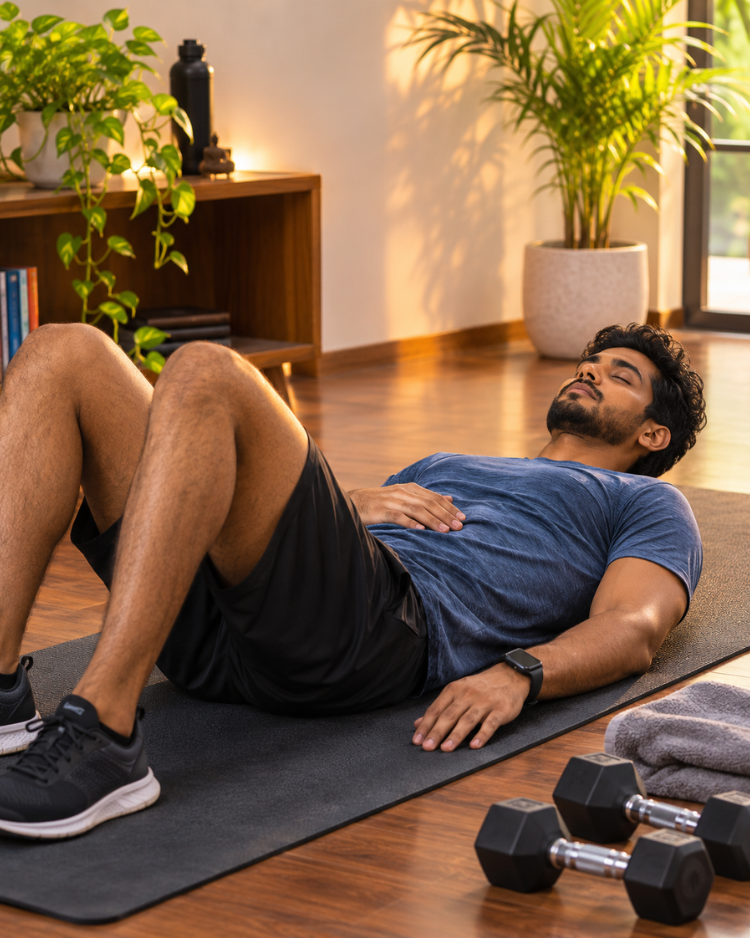
This is the simplest post-workout routine that takes only 5 minutes
- Minute 1: Sitting or lying, lower your shoulders.
- Minutes 2 and 3: Do the Physiological Sigh.
- Minute 4: Hum into each breath out.
- 5 Min: Inhale for 4 counts, exhale for 6-8 counts, observe how your body feels as you breathe.
Repeat after exercise, in the evening, or whenever you sense stress.
What About Cortisol?
Cortisol is a stress hormone. It has a tendency to increase in times of stress and a slight increase is normal. Chronic high stress can impact sleep, mood and recovery.
Numerous studies have shown that breathing and relaxation techniques can reduce stress for many people. But one drill will not banish all the stress. But consider these habits as tools that you are going to use regularly, and not a single shot.
Here are some tips to maximize the value of it:
- Practice daily. Doing a few minutes a day will make it a habit.
- Select a quiet area. A dimly lit and quiet area is helpful.
- Be gentle. Avoid forcing yourself to hold your breath for a long period of time.
- Add to good fundamentals. Nothing is more important than sleep, healthy food, and time with friends.
Who Needs Worry?
Most people can do slow breathing safely. If you suffer from a lung condition, a heart condition, panic attacks, or feel faint when doing breathing exercises, consult your doctor before you begin. If dizzy or feeling bad, stop.
Final Thoughts
Recovery is more than just stretching tired muscles. It is also about soothing the nervous system and mind. After exercise, take a few minutes to breathe slowly and hum to relax and get some rest.
This week, give the five-minute routine a try, and see how you feel immediately after you do it and at bedtime. Little and frequent behaviours can make the biggest impact.










Discussion about this post