




This post is also available in:
 Tamil (தமிழ்)
  Sinhala (සිංහල)
The Glench of the Glute
Having a good, strong, and shapely glute is a desire of everybody, but it is not only about doing random exercises to get one. A well-built glute is good in keeping you at ease, avoiding injuries, and in addition, glutes enhance athletic performance as well as making normal activities such as walking, running, and lifting far easier. Regrettably, most individuals have been training the glutes in the wrong manner, allowing other muscles to take over.
This manual will not only demonstrate easy, science-backed methods of training your glutes, but also how to activate them and which exercises are the most effective. You can be a beginner or an experienced person, and tips that work will be found.
Glute Anatomy Made Simple
The glutes consist of three largest muscles, each performing its specific task:
- Gluteus Maximus– This is the biggest muscle on your butt. It is in charge of the straightening of the hip or moving the thigh back. The gluteus maximus is greatly engaged in squats, deadlifts, and hip thrusts.
- Gluteus Medius– It is found on your side of the hip, and it raises your leg at right angles and supports your pelvis when you do a single-legged movement.
- Gluteus Minimus– It is together with the medius to hold the hips steady and enhance stability.
The knowledge of these muscles will also make you focus on the right muscles and not allow other muscles, such as hamstrings or quads, to do all the work.

The Reasons Why Strong Glutes Change Everyday Life
Powerful glutes are not only skin deep but also make every activity that people perform in their lives easier and without fear:
- Running upstairs: Your glute muscles drive up.
- Running or jogging: Helps to keep up the speed and stability.
- Lifting heavy items: Powerful glute muscles will avoid straining the lower back.
- Balance and posture: The weak glutes may cause hip, knee, or back pain.
With correct training of the glutes, you lessen the chances of injuries as well as increase your efficiency of movement.
The Science of Glute Growth
Muscles develop as they are pushed in the correct manner. Growth is driven by three major factors:
- Mechanical Tension: Resistance exercises stretch and contract your muscles through the application of force.
- Muscle Damage: Minute-level stress of the muscle fibers in exercise assists the muscles in becoming stronger.
- Metabolic Stress: The experience of the burn during high-rep exercises sends growth signals to your muscles.
Your gluteus muscles have a combination of slow-twitch (endurance) and fast-twitch (power) fibers; thus, both heavy and light exercises would be best to combine. This assortment guarantees that you get strong and muscular.

Activating Your Glutes
Activation of the glutes should be done before moving on to heavy weights. Activation exercise makes the muscles awake and makes them fire the right muscles during larger lifts:
- Bodyweight Glute Bridges: Lie on your back, and raise your hips
- Clamshells: On your side, bend the knees in, pull the top knee, and make sure the feet are positioned together.
- Banded Side Steps: Position a band above your knees and side step, maintaining tension in the band.
Also, learn to think of the mind-muscle connection: every time you exercise your glutes, think about it. This enhances improved muscle recruitment and outcomes.
The best Glute exercises supported by research
Big Muscle Builders (Compound Exercises)
Compound exercises involve more than one muscle at a time, and so it is ideal for building glutes:
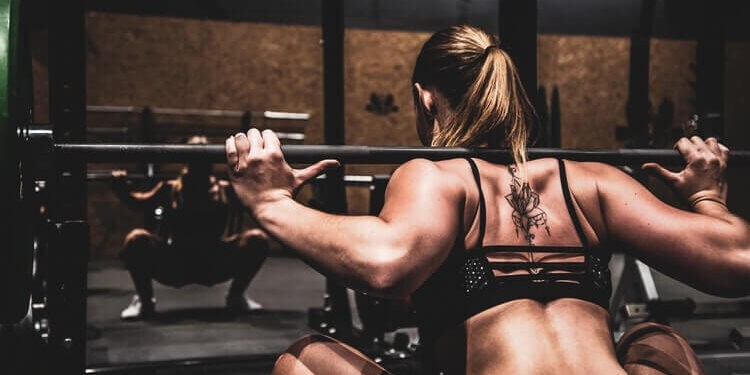
- Squats: Deep squats involve the use of the glutes and legs. Stiffen your back and strain at the heels.
- Deadlifts: Both conventional and Romanian deadlifts involve hip hinging of the glutes.
- Lunges: They help in enhancing balance and isolate the glutes, one leg at a time.
These are the exercises that constitute a good glute program.
Hip Extension (Glute Isolation) Exercises
Maximum glute growth requires hip extension:
- Barbell Hip Thrusts: It is definitely, according to popular opinion, the best exercise for training the glutes. The growth is maximized by heavy loading at peak contraction.
- Glute Bridges: Could be performed both using bodyweight or weights to add volume and strength.
Exercises of the glute medius & minimus (Shape and Stability)
Smaller glute muscles enhance hip stability and make it rounded:
- Side-Lying Hip Raises- Lie into a side position and raise the top leg.
- Banded Lateral Walks– Walk with a resistance band over the knees.
- Step-Ups and Dumbbells or Kettlebells- Glutes and balance are used at the same time.
Tips: Combine barbells with dumbbells, kettlebells, and bands to achieve the desired outcome.
How to Train Your Glute
An effective glute workout has a balance between volume, frequency, and intensity:
- Volume: The target should be 12-20 sets per week per glute.
- Frequency: 2-3 sessions focusing on the glute once a week, giving time to rest and develop.
- Progressive Overload: Add weight, reps, or sets in gradual increments so that you continue to push your muscles.

Rep Ranges for Goals:
- 4–8 reps: Strength
- 8–15 reps: Muscle size
- 15-25 reps: Resistance/metabolic stress.
Workout Order:
- Begin with heavy compound exercises.
- Continue with isolation exercises.
- 3.2-3 minutes of heavy lifting with rest in between; 60-90 seconds of accessory exercise.
Quick Glute Activation Workout (Pre-Workouts)
Warm and loosen your glutes: 5-10 minutes:
- 10 Bodyweight Glute Bridges
- 10 Clamshells per side
- 20 Banded Lateral Steps
During every movement, pay attention to your glutes to prepare them for the exercise.
Common Mistakes to Avoid
- Failure to pay attention to the glute medius/minimus: These muscles enhance the stability and form of the hips.
- Using poor form: Poor weight that has a bad form decreases glute activation.
- Overtraining: The glutes also require rest; 2-3 times a week is enough.
- Ignoring activation: In the absence of it, other muscles will do the job.
FAQs About Glute Training
Q1: What is the time frame till I can notice some results in my glutes?
A: Improvements are seen in 6-8 weeks when people pay regular attention.
Q2: Can I train my glutes every day?
A: 2-3 intensive sessions a week are sufficient. Excessive training may retard advancement.
Q3: Do bodyweight exercises suffice in glute growth?
A: They assist novices, yet the use of weights increases the size and strength at a quicker rate.
Q4: Are the glutes or the legs a greater target of squats?
A: Deep squat exercises train the legs and the glutes, whereas the latter is achieved by incorporating hip thrusts.
Q5: Is glute exercise better preceded by warming up?
A: Yes! Activation exercises enhance performance and minimize the chances of injury.
Conclusion
Having a good, firm ass is not all about appearance. Strength, stability, and aesthetics can be enhanced by using the correct exercises, activation methods, and regular training. Begin with correct structure, warm up with overloading, and alternate between compound and isolation exercises. It can be remembered that glutes do not strengthen overnight, though with time and perseverance, you will see actual results!











Discussion about this post