


This post is also available in:
 Tamil (தமிழ்)
  Sinhala (සිංහල)
People jogging, cycling and young families with children can be seen in any park in Colombo on a Sunday morning. When people are moving with purpose, you won’t find anyone in their 70s or 80s, very rarely. Elderly Sri Lankans not wanting to be healthy is not the reason. It’s because very few people ever tell them that they can exercise, or how to do it safely.
Sri Lanka is experiencing high rates of population ageing. Visitors to the site can expect to see nearly a quarter of the nation’s elderly by 2030. But, fitness content, gym culture and even public health messages virtually ignore this large segment of the population.
This book is written for them and for the adult kids looking for them.
Elderly Sri Lankans avoid exercise for one reason. Sri Lankans of elderly age avoid exercising for one reason
The reasons are cultural, physical and practical, and so they must all be addressed.
There is a strong cultural belief in the country of Sri Lanka that the elderly should enjoy relaxation. When the individual retires or turns a certain age, the family will probably actively discourage him or her from exercising so as to not cause discomfort. Kids instruct their parents to sit down, relax and allow others to do the work. This is out of kindness, but it can do more harm than good. Exercise is important at any age to keep the body healthy. With prolonged inactivity, the loss of muscle mass, stiffness of the joints and loss of bone density increases much more quickly than it does with gentle, appropriate exercise.
Many elderly Sri Lankans have serious health issues on their hands, physically: arthritis, hypertension, diabetes, or the consequences of a stroke or surgery. They are well aware that running may be hazardous if they lack guidance. They have not been instructed what to do or not to do!
In fact, there isn’t any fitness center in Sri Lanka that would meet the needs of elderly individuals. The majority of gyms are loud, hectic and have younger people lifting heavy weights. This can be overwhelming and not quite the ideal place to maintain a level of mobility and strength.
Fear of falling is likely to be the greatest obstacle. Many seniors have fallen, or a loved one has fallen. This is a natural fear and can lead to a vicious cycle of decreased mobility, reduced muscle strength, more balance issues, and increased risk for falling.
It is even more crucial after the age of 60
As people get older, over 60, these muscles start to shrink (atrophy) more quickly, and this is called sarcopenia. People will gradually become weaker over time if they don’t have resistance, for example, how well they can get up from a chair, up and down stairs, and carry groceries.
Regular exercise helps to stop bones from becoming porous, especially when it comes to fractures. It helps to enhance balance and coordination, which directly lessens fall risks. Helps keep the heart healthy, helps control blood sugar and blood pressure, and can greatly decrease the likelihood of depression and mental decline in older people.
In conclusion, the elderly in Sri Lanka have no luxury of doing exercise. It is one of the most powerful tools to remain independent, with dignity and enjoy their best lives as they age.
Elderly Sri Lankans can start to enjoy a safe life through the following ways…
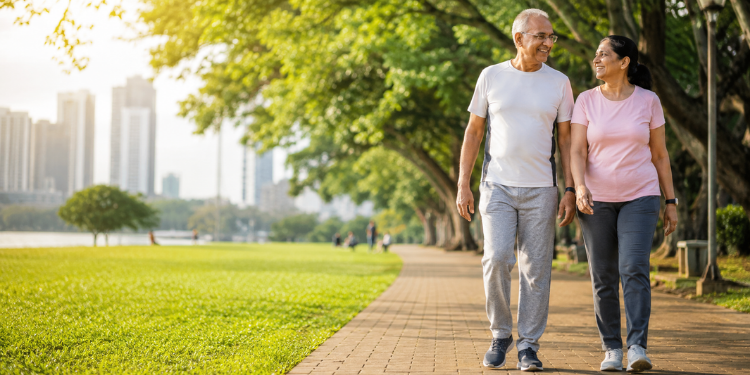
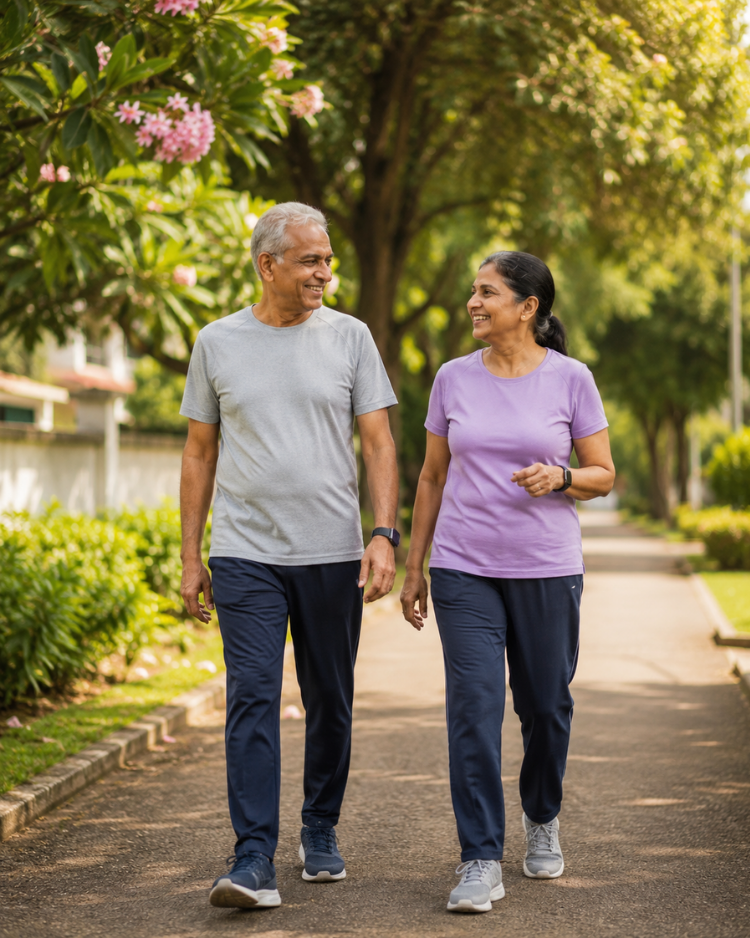
Walking is the foundation of the program. As simple as walking around the neighborhood, no more than 15 minutes, or to the temple compound, is very beneficial. No special skill or equipment is required and it promotes cardiovascular health and joint mobility. It’s not about how hard you can walk; it is about how consistent you can make that walk. A walk that you can do every day is worth more than a walk that you can do occasionally over a long time.
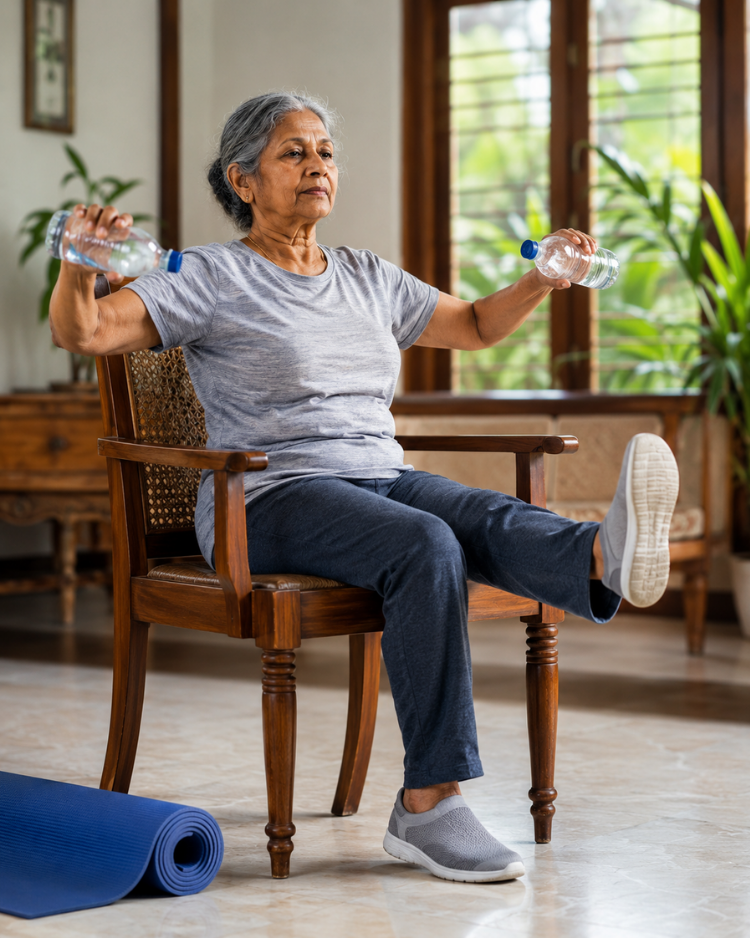
Chair exercises do not lead to a fear of falling. A strong chair with a lot of strengthening exercises is safe to use. Strengthening activities like leg extensions, seated marching, arm raises with light water bottles as weights and the slow and controlled twisting of the torso are used to build strength but without any risk of falling. Ideal for the elderly or people with mobility problems to start exercising.
The relaxed stretching helps to make the day more comfortable. Stretching the shoulders, neck, hips, and legs to ease stiffness in the body, particularly in the morning, can be a simple exercise. Ten minutes of a little stretch is what can make the difference between a pain-free day and a day that sucks.
Balance exercises are directly related to fall prevention. Standing on one leg for a few seconds while close to a wall, or a sturdy chair, or walking heel to toe in a straight line will train the balance system, which over time will greatly reduce the chances of falling. Always do these exercises near a solid object to which you can grab onto.
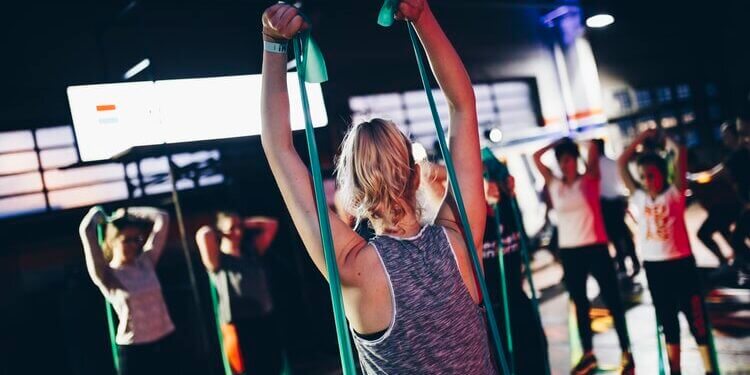
Light resistance training is used to keep up strength. If elderly people are already accustomed to walking and sitting on a chair for exercising, then low-level resistance bands are a safe way to increase strength. Starting at the lowest level of resistance and making gradual increases to the level of resistance with guidance is very important.
Water exercise is great for joint pain. If you are an elderly person in Sri Lanka who suffers from arthritis or joint pain, swimming or even walking in a shallow pool can provide a full-body workout without impact on the joints. Shallow entry and handrails are excellent features for public pools.
Advice for Families
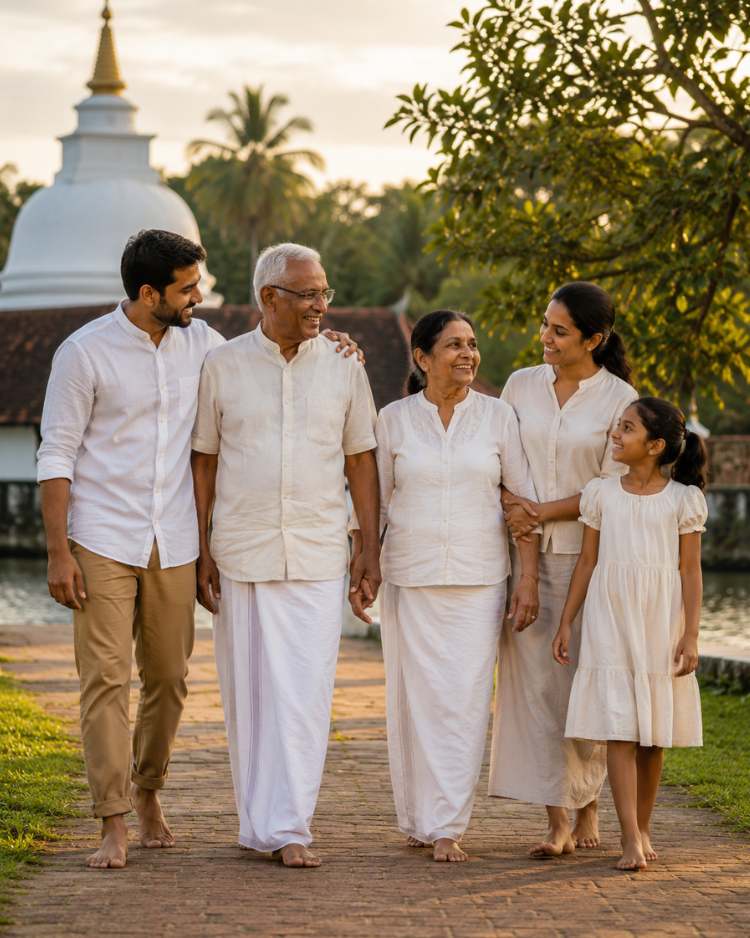
Don’t push parents or grandparents if they aren’t excited about moving. Model for them walking first. Make it social, walk to the temple; stroll in the evening; a slow lap around the garden together. Talk about moving the frame instead of telling them to move the frame.
Always seek a doctor’s consultation before beginning any type of new exercise program, especially if there are any heart-related issues, diabetes, or recent surgeries. Certain movements can be cleared by a doctor, and if there are any true restrictions, they are identified.
The Bottom Line
The body doesn’t stop moving when you get older. It’s a matter of getting the proper type of exercise, as well as the proper amount of exercise, and doing it safely and regularly. A range of activities such as walking, sitting exercises, soft stretching, and balance exercises can make a huge difference in terms of strength, independence and quality of life for the elderly Sri Lankans.
Never too late to begin. The optimal time to start strengthening and improving strength and balance was years ago. Today is the second-best time.
“Motion does not end. The proper kind of movement is the key to sustaining independence at any age, not just 60/70 and beyond.”








Discussion about this post