


This post is also available in:
 Tamil (தமிழ்)
  Sinhala (සිංහල)
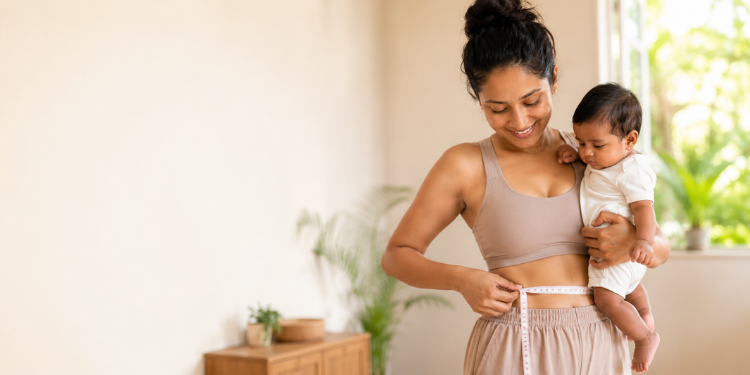
It is perfectly normal after giving birth to desire to have your pre-pregnancy body back. You might feel embarrassed to check your tummy and be doubtful about how it’ll ever look like before. Your body has undergone some amazing transformations during the past 9 months; you grew a whole human being. It’s possible to lose weight after pregnancy, but you will need to do it safely and slowly, particularly if you are breastfeeding.
The first 40 days, Maas Kaala
The first forty days after delivery are called the ‘maas kaala’ period in Sri Lanka. To help the process, it is also a common practice to advise the new mother to rest, eat warm, nourishing foods and avoid strenuous activity. This isn’t just a cultural thing; it’s right from the doctor. During this period, your body should:
- Be healthy during childbirth (vaginal or cesarean)
- Help to balance the hormones in the postpartum period, particularly oestrogen and progesterone.
- Develop a good milk supply if breastfeeding.
- Restore iron stores depleted during delivery. Restore iron stores depleted due to delivery.
If you turn to crash dieting to lose weight during this time, you risk having a slow recovery, affecting your milk supply, and leaving you too tired to do anything. Focus on recovery first. Start weight loss after your 6-week check-up post-birth if your doctor says that you are recovering properly.

Breastfeeding is the most natural weight loss tool
Breastfeeding is one of the best remedies when it comes to postpartum weight loss if you are able. Breastfeeding uses an extra 300 to 500 calories each day. This amounts to a good bit over the course of months. Other benefits of breastfeeding include:
- Aids in the uterus’s recovery from its pregnancy size more quickly. Has a lower rate of postpartum bleeding
- Lowers the risk of postpartum depression
- Helps to maintain a steady and gradual weight loss without extreme dieting
For mothers who breastfeed exclusively till six months, weight will fall off naturally. Talk to a lactation consultant or midwife if you are having difficulties.
Postpartum Diet: Eat Right
One of the first errors made by new moms is that they severely reduce their calorie intake. This will decrease your milk supply and slow your metabolism down. Rather, it is better to give attention to quality food, and not extreme restriction. In fact, Sri Lankan food is quite appropriate for post-pregnancy meals. Choose more of these:
- Fish curries, which are high in omega-3 fatty acids that are important for hormonal balance and reducing inflammation
- Ghee and parippu – high in plant-based protein and prolongs satisfaction
- Packed with iron, antioxidants and folate, gotukola sambol is an excellent source.
- A moderate amount of plain rice provides continuous energy without a blood spike.
- Karela (bitter melon) – diuretic properties that are effective in controlling blood sugar, weight and blood pressure
Meanwhile, minimise consumption of fried foods, sugary drinks, white bread and excess coconut milk-based kiri-bath. They contain lots of calories but little of the nutrients your body is in need of for healing.

Staying Hydrated
Mild dehydration is a common occurrence in many new mothers without them knowing it, especially if breastfeeding. Dehydration reduces metabolism and is frequently confused with hunger. Drink 8-10 glasses of water a day. Good choices include:
- Ripe warm water helps eliminate excess water, strengthens the body, and nourishes the hair, skin, and nails.
- Koththamalli water aids digestion and is safe to use during breastfeeding.
- Ginger water helps to eliminate bloating and inflammation.
- Together, these ingredients bring back the electrolyte balance to the body through a natural process.
- Don’t drink sweetened drinks, cordials or packaged juices; these are hundreds of empty calories per day.
Gentle Exercise – Building Up Slowly
Once cleared by your doctor at the 6-week post-op check, start doing some gentle walking. Walking 10-15 minutes a day is an ideal way to get started. This can be achieved by walking with a baby in a pram, which is a practical and fun way to do so. Slowly begin to run at a faster speed and longer length with strength as you improve. Some of the other safe exercises for the postpartum period are:
- Pelvic floor (Kegel) exercises – begin within a few days of giving birth to strengthen core muscles
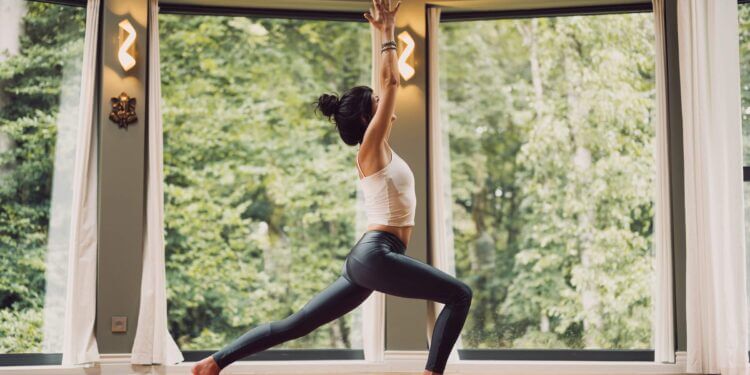
- Gentle stretching and yoga – helps to lower stress and hormone levels
- Swimming – great low-impact exercise when your wound is healed
Do not start very deep abdominal exercises, such as crunches, for three months. These can exacerbate the diastasis recti (separation of the abdominal muscles that is fairly normal during pregnancy).

Sleep and Stress Matter Too
When you don’t sleep well, there is a rise in cortisol, and your body stores the extra fat around your belly. Take the help from family if offered, and sleep when the baby sleeps. The ability to manage stress is also crucial. When it’s under stress, people tend to eat more and experience hormonal imbalances that make it more difficult to lose weight. Some stress relief tips for new moms are:
- Walk for a short period, outside in the fresh air every day.
- Talking to a trusted friend or family member
- Five minutes of deep breathing or simple meditation a day
Set Realistic Expectations
Your body has taken 9 months to change. Plan to get back to your pre-pregnancy weight in at least 6-12 months. Try to lose between ½ and 1 kilogram a week. The quickest weight loss will cause your milk supply to diminish and make you extremely tired. Praise each little step, each healthy meal, each walk, each good night’s sleep, as a step forward. You are an incredible human being. It deserves to be patient, nourished and cared for as it heals.





Discussion about this post