


This post is also available in:
 English
 Tamil
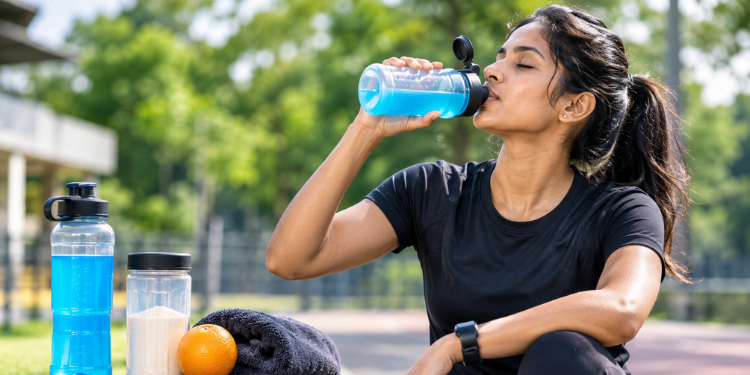
Most people think about food either before or after training. Fewer people consider what happens during the workout. However, this is where energy wanes, attention diminishes and cramps set in.
A good place to begin is to use plain water. However, when you’re on long or tough sessions, it may require more than just water. In this blog, we go through the carbohydrate and mineral mix you can have during your workout to keep you going until the end.
The fact is that plain water is not necessarily enough
When exercising, sodium and minerals are lost along with the sweat. You also use up your stored fuel, called glycogen. This happens faster when it’s humid and warm.
If you only drink water when you’re in a long session, then you’re replacing some water, not fuel and minerals. Excessive water intake can also lead to a low sodium level in the body and cause bloating or feeling unwell.
When Do You Need It?
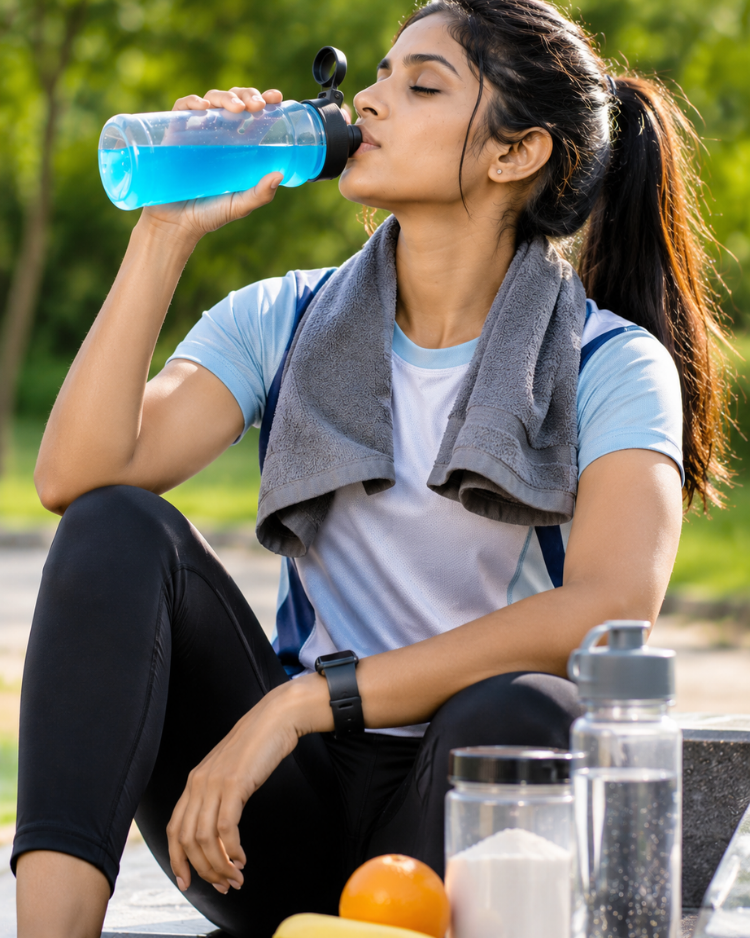
Most short workouts, 45-60 minutes, will be fine with just water. Intra-workout fuel is helpful when:
- You will have a longer session (60-90 minutes).
- This workout is extremely challenging.
- There is lots of experience in training when it is hot and sweaty.
- You work out on an empty stomach or on a small meal before workouts.
The Role of Carbohydrates
Carbohydrates maintain a stable blood sugar level. It is a sugar that is used by your brain and muscles. If it is too low, then you feel weak, shaky and unfocused. Your brain can also give you “slow down” signals; this is sometimes referred to as central fatigue.
If you are going on a longer exercise, drink carbs throughout to keep your body supplied with a continuous flow of fuel. This will help you to maintain your speed and concentration.
Many sports guides say to consume 30 to 60 grams of carbohydrates per hour for longer than an hour. It may be smaller or larger; start small and adjust as necessary.
Cyclic Dextrin: what is it?
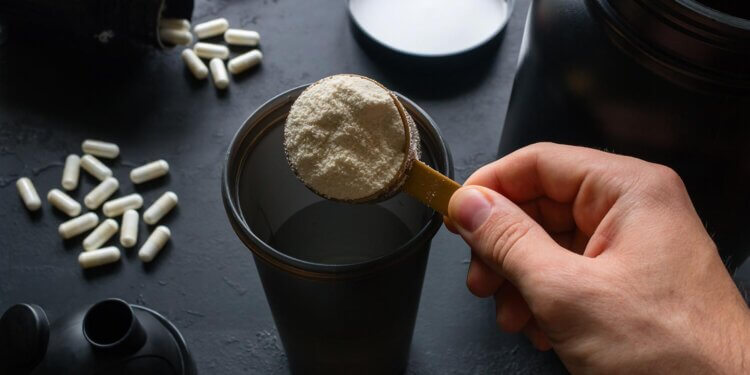
Cyclic dextrin can be found in sports drink powders. A type of starch carbohydrate. According to Makers, it is rapidly absorbed by the stomach and is less upsetting to it than other sugars.
Some preliminary research is promising, but additional research is required. There is no need for special products to benefit. For most, common carbs such as glucose, maltodextrin, or even sugar in water are effective.
The Key Minerals
Sodium. The principal mineral excreted in sweat is this. Promotes water retention and maintains muscle and nerve function. There are many guides recommending 300- 600 mg of sodium per hour for long sessions, but for heavy sweaters this amount may increase.
Potassium. Assists with the function of muscles and nerves in association with sodium. It isn’t lost in sweat, but it does matter.
Magnesium. It aids in muscle activity and energy consumption. There isn’t much that you lose in sweat and most people will get plenty from a normal diet.
Keep in mind, more is not more. Excessive sodium may cause gastrointestinal upset and may not be suitable for all people.
Why It Benefits Your Muscles
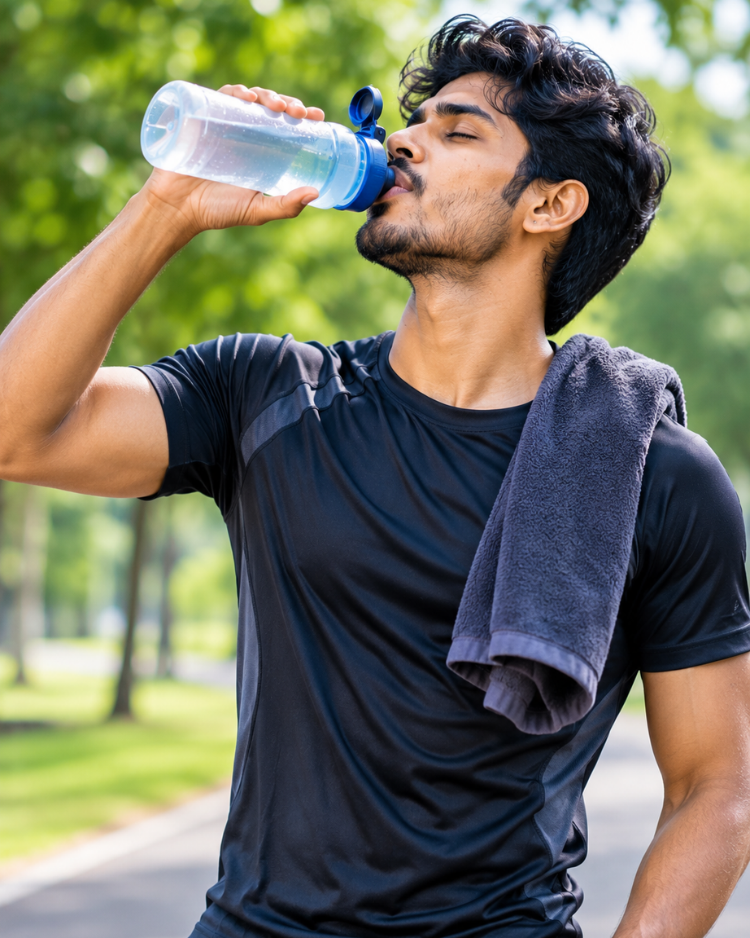
Carbs and sodium work hand-in-hand to speed up the absorption of water in the gut. This is due to the fact that fluid gets to the cells of your muscles earlier. This hydration can help improve muscle contractions and can even prevent muscle fatigue. Hence, many sports drinks have a combination of carbs and salt, instead of just one of them.
Simple Homemade Drink
The following is a simple recipe for a long session:
- 500 ml of water
- 2-3 teaspoons of sugar or honey.
- 1/8 teaspoon of salt
- A dash of lime or orange juice for flavor and potassium
- It should be lightly sweet and slightly salty.
The reason why heat and humidity are important
In warm and humid climates such as Sri Lanka, sweat does not dry out fast. You continue to sweat and cool off your body, so you lose more sodium and fluid than you realise. If you have a white salt mark on your cap or shirt after a workout, then you lose a significant amount of sodium. If it happens regularly, you might require additional minerals for longer sessions.
The following tips will help you to manage your sips:
Avoid taking a ‘swallow’. Drink frequently (10-15 minutes apart). Sipping will be easier on the stomach and won’t lose much energy.
Do this in training, but NOT on race day. It will have to acclimatize to your gut.
A sample plan for a Long Session
If you have a 2-hour morning run/ride, what time should you do it? If you have a 2-hour run/ride in the morning, at what time? This is one way of pacing the fuel:
- Before you start: Have a light snack and a glass of water.
- First 30 minutes: Take in water and get warm to your pace.
- Try to drink your beverage every 10-15 minutes for 30 minutes or more.
- Post-session: Eat a healthy meal, drink plenty of water and have foods that are high in carbohydrates and protein.
- Make notes on feelings. Add a bit extra salt or sugar, or a bit less.
Common Mistakes
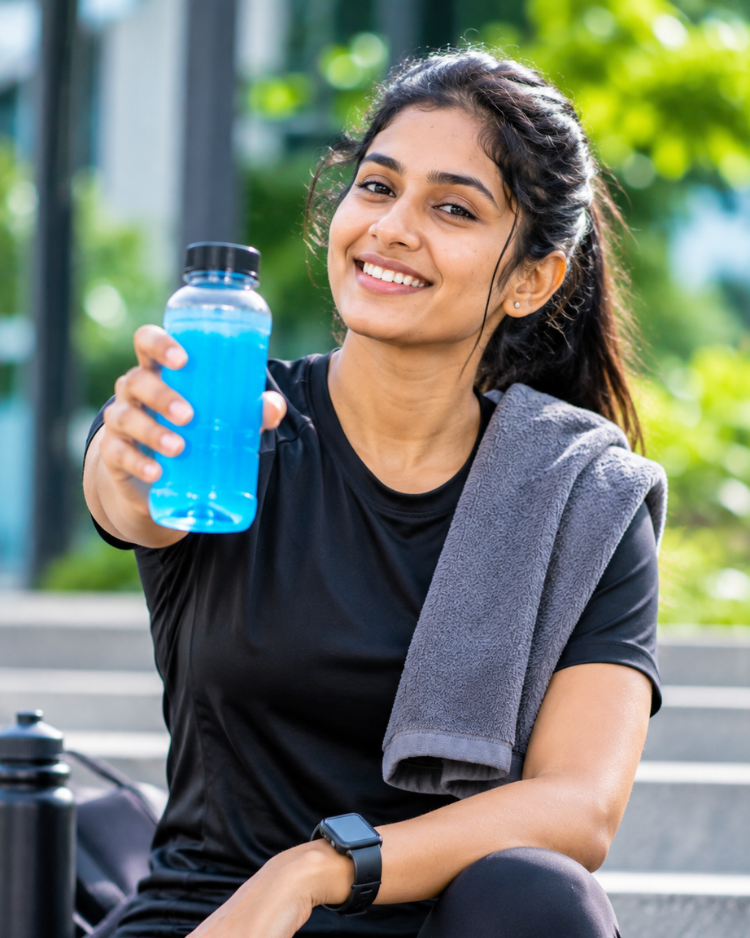
- Using it to boost physical fitness for brief durations of time. It’s OK to consume more sugar than you require.
- Consuming excessive quantities at a time. This may lead to cramps and bloating.
- Duplicating another plan. There are wide variations in sweat rates among individuals.
- Ignoring thirst. Allow yourself to drink when thirsty and not pressure feeding.
Final Thoughts
Fueling and hydrating while exercising can help make sure you keep your power, attention and finish strong! There is no need for costly products. Just some water, some carbs, and some salt.
Have one big session this week and give it a go! Talk to your doctor about modifying your intake before working out if you have diabetes, hypertension, or kidney problems.











Discussion about this post