


This post is also available in:
 Tamil (தமிழ்)
  Sinhala (සිංහල)
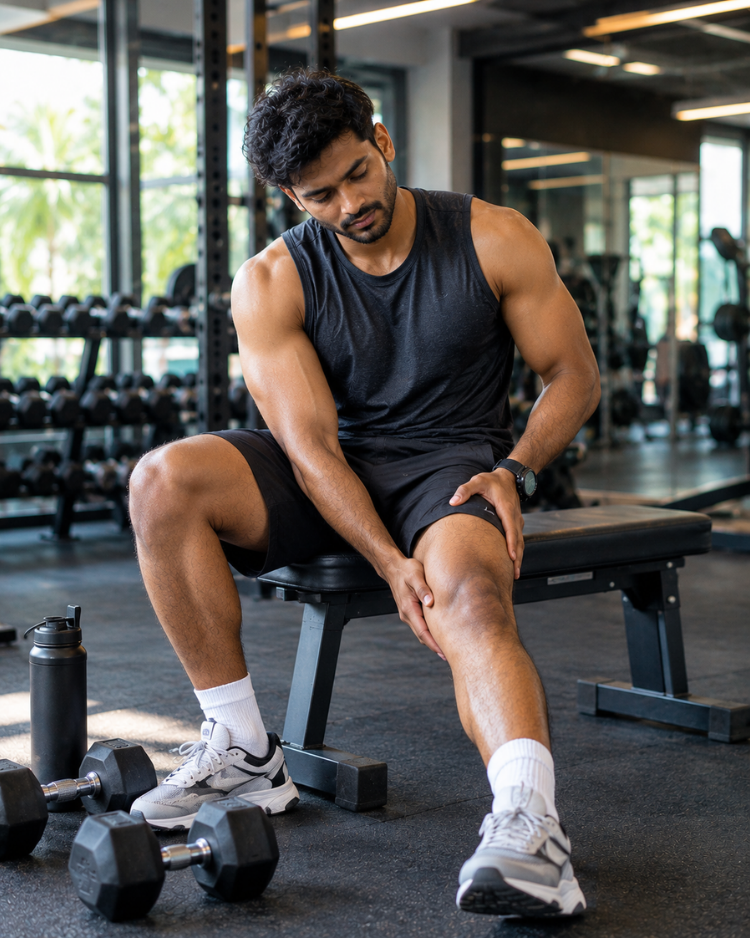
You’ve had a tough leg day and it’s time to end it. Two days later, it is hard to make it down the stairs. Your muscles are tight, you feel heavy and you ask yourself how you are going to train again.
For many fitness enthusiasts in Sri Lanka, the combination of contemporary training and the island’s traditional healing practices, Hela Wedakama, is becoming a fashionable hybrid. Herbal teas and special tonics are becoming a new staple in gym bags and kitchens, as are steam therapies. Let’s look at what they are, how they are used, and how to try them safely.
So, what is Hela Wedakama?
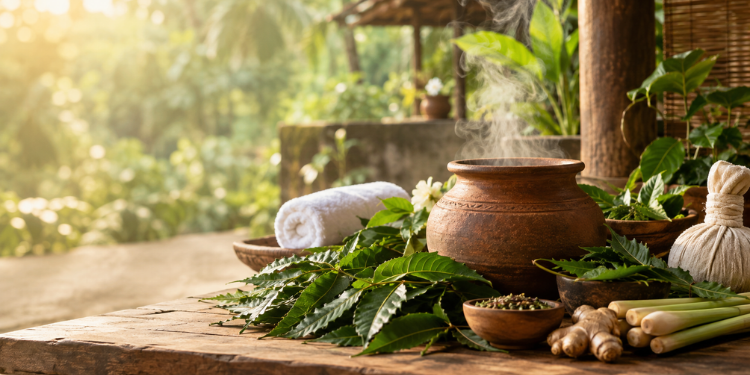
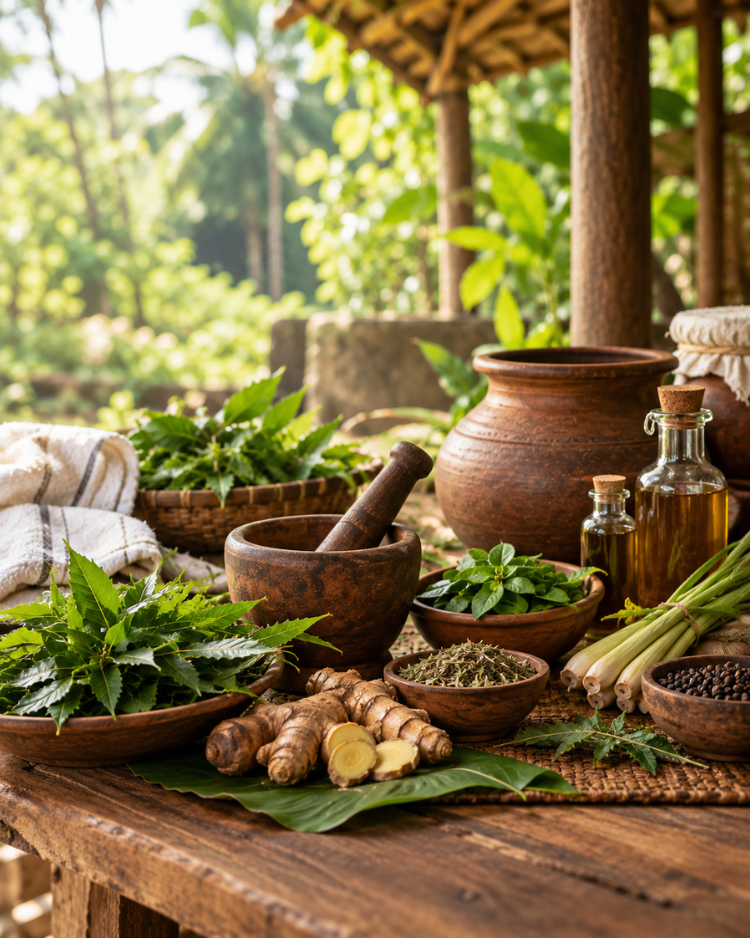
Sri Lankan traditional healing known as ‘Hela Wedakama’ is passed on from generation to generation in family groups. Has a range of local plants, herbs, oils and practical care to support the body.
Sri Lanka is also rapidly gaining recognition as a wellness destination to the world, as individuals come here for traditional treatments. It shouldn’t surprise active individuals at home to think about these methods again.
An important point: traditional methods have been used for a long time, but not as much as modern sports medicine. Treat them as helpful extras, not as replacements for proper rest, food and medical care.
Why Recovery Matters
During hard lifting or running, small tears are formed in the muscles. Your body heals them and they are stronger than when you first got injured. This repair time is the time you actually get fitter.
Without recovery, you can expect to experience:
- Long-lasting soreness
- Poor sleep
- Low energy
- An increased chance of injury
Recovery does not equal laziness. It is a part of a training program.
Vaspu: Herbal Steam Therapy
Vaspu is steam. In traditional practice, the herbal steam is used to relax the body, open the skin pores and relax tight muscles. Many also claim it helps them sleep better.
Warm steam may be helpful as it helps to warm up the muscles and increases the blood flow. This is what makes the sauna and hot bath so popular among athletes worldwide.
Sri Lankan custom is to use local herbs and leaves for making steam. Common choices include:
Veppala (neem) leaves
The leaves of the Nika tree or chaste tree.
- Lemongrass
- Citronella
- Ginger
These plants are selected for both their scent and traditional uses.
An easy way to make a home steam unit
In a large pot, boil water and add a few herbs.
Cook gently for a couple of minutes and then place on a level surface.
Do not go near it and cover it with a towel.
Come for 5-10 minutes at a time.
Lie down, drink water and dry off thoroughly.
Safety First
Do not put your face in the boiling water.
If you are dizzy, weak, or short of breath, stop!
Avoid steam if you’re pregnant or have heart or blood pressure problems,s or if you have a skin disease unless told otherwise by your doctor. Do not steam straight after a very strenuous activity while already hot. Cool down first.
Herbal tea for cooling – Belimal tea
The flower of the bael tree is known as Belimal. The term cooling drink is the traditional use of Belimal tea. It is often used as a drink to provide relief and relaxation in the summer.
To make it:
- Put a teaspoon of Belimal flowers into a cup of hot water.
- Cover and allow to sit for 5-10 minutes.
- Strain, then drink warm or cool first, then drink.
- It is popular at night time. It doesn’t contain caffeine and is quite mild-tasting, making it a perfect wind-down drink after exercise.
Kola Kenda, also known as the Green Tonic
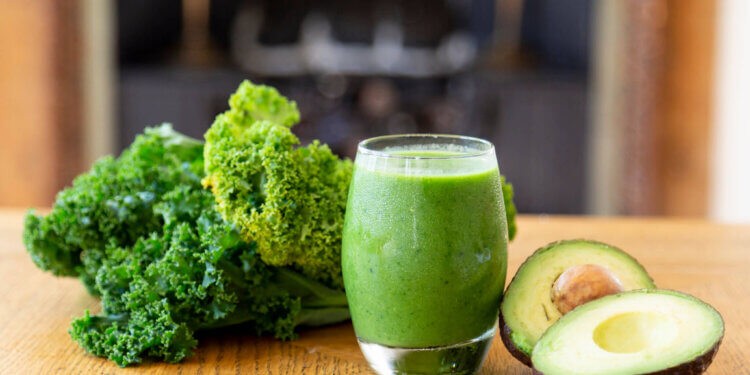
Herbal porridge, kola kenda is traditional. It is typically prepared using rice, coconut milk and green leaves like gotu kola, hathawariya, or karapincha. It is consumed by many families as breakfast food.
It’s a suitable post-workout drink because it offers you:
- Cotton candy carbohydrates from rice to fuel up your energy.
- Liquid fats from coconut milk: These are healthful fats found in coconut milk.
- Although the figures are small, a wide range of greens and plant chemicals from the herbs were found.
- Heating and digesting, calming and comforting for an exhausted tummy.
- This is because you can have a bowl of boiled egg or dhal (a small bowl of lentils) as a side dish to the main course for additional muscle repair.
Does It Really Reduce Inflammation?
Honestly, be honest, be sure.
A certain amount of inflammation is normal, and it’s a key process in how muscles repair. Certain herbs have plant substances that researchers are investigating for the effect they have on the body. But as yet, there is no solid evidence to support the concept of repairing muscles with these types of tonics.
All we can say is that:
- They remind you to slow down, relax and rest.
- They assist you in consuming extra water and real whole food.
- They are soothing and help to lower stress and improve sleep.
The more rest, nutrition, and relaxation you get, the better your muscles will recover. Therefore, although the herbs may not possess magical properties, the practice of the surrounding is beneficial.
A Sample Recovery Reset Day
After an exercise session, here’s a soft, relaxed recovery plan.
Breakfast: Coffee, Tea, and toast
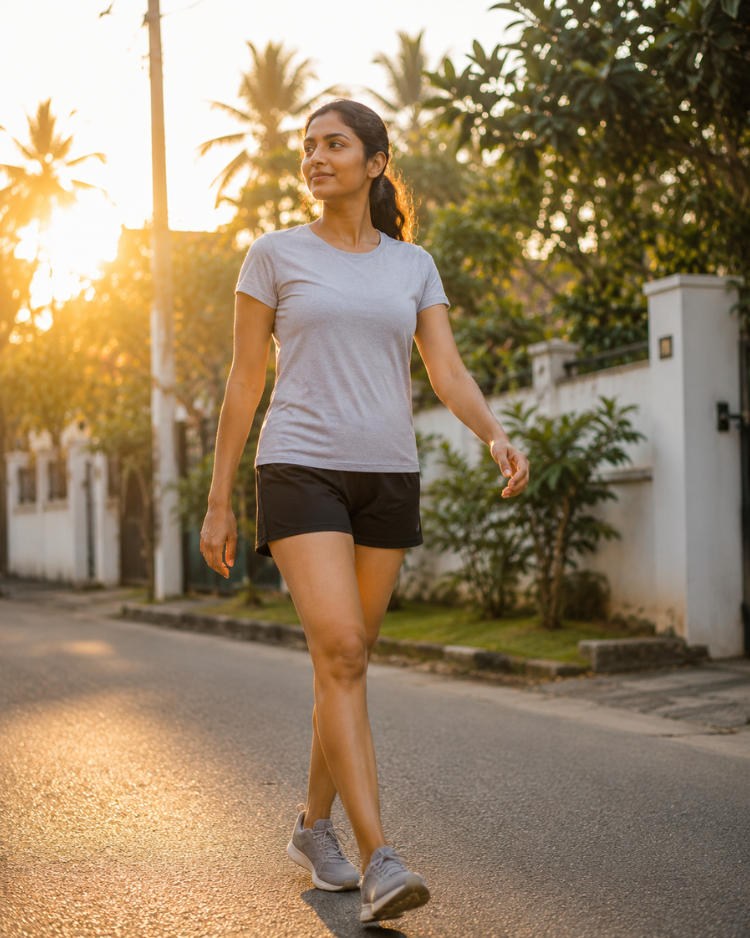
Afternoon – 20-minute walk and lots of water.
Afternoon: Light stretching, followed by the rapid herbal steam.
Night: Take a cup of Belimal tea and go to bed early.
This isn’t required to be done on a weekly basis. Choose options that are suitable for you.
The basic ones are the most basic ones to learn
There are no herbs that are a substitute for the essentials for recovery:
Get a good night’s sleep (7-8 hrs.).
Eat adequate amounts of protein and healthy, balanced meals.
If no carbohydrates are needed, then avoid carbohydrates and drink water throughout the day.
What time of the day, week, or year is your least productive time?
Do warm-up and cool-down exercises before and after each workout.
So, traditional methods are like the cherry on top and not the cake.
Find out if it’s time to go to a doctor
Soreness is typical and gets better in a couple of days. If you notice any of the following, please consult a doctor:
- Severe pain or redness.
- Worsening pain that persists.
- Post-exercise (dark) urine.
- Dizziness, chest pain, or difficulty in breathing
- Don’t cover up an injury with herbs.
Final Thoughts
The best thing about the Hela Wedakama Recovery Reset is the fusion of the old and the new. Heavy lifting, long running, and enjoying a relaxing warm herbal steam, a cup of tea, and a bowl of Kola Kenda.
Give one practice this week a go and see how your body reacts! Pair it with healthy sleep and healthy nutrition, and train smart! Building strong muscles takes place in the gym, but repair work happens in the quiet hours that follow.
This article is for information purposes only. Please consult with a physician, physio, or qualified practitioner before experimenting with novel herbal treatments or heat treatments.




Discussion about this post