


This post is also available in:
 Tamil (தமிழ்)
  Sinhala (සිංහල)
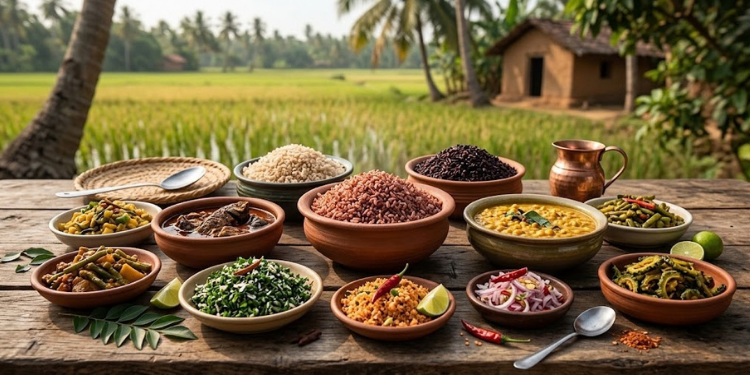
White rice has been the main feature of the Sri Lankan menu for many years. Soft, easy to prepare and loved by all. However, a gentle shift has been taking place today. There is a renewed interest in the old varieties of rice consumed by the grandparents.
Words such as Suwandel, Kalu Heenati and Kurulutuda can be found in health food stores, in homes, and in meal plans. This is not simply a fashion. It is linked to a global trend in gut health, slow energy foods and plant compounds known as polyphenols. Let us look at why.
But what are heirloom rice varieties?
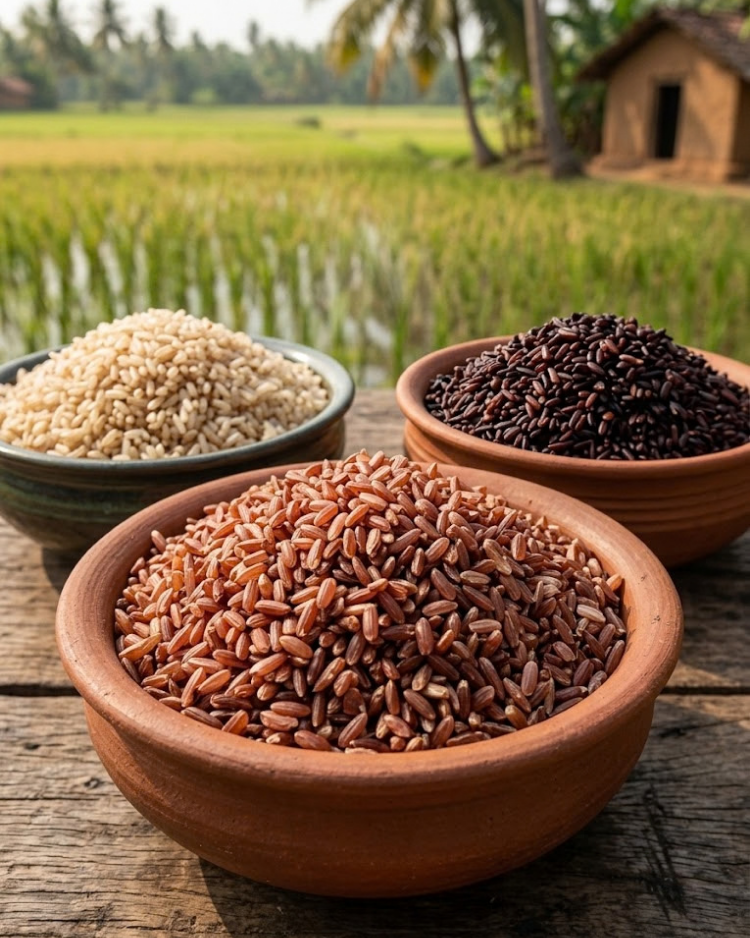
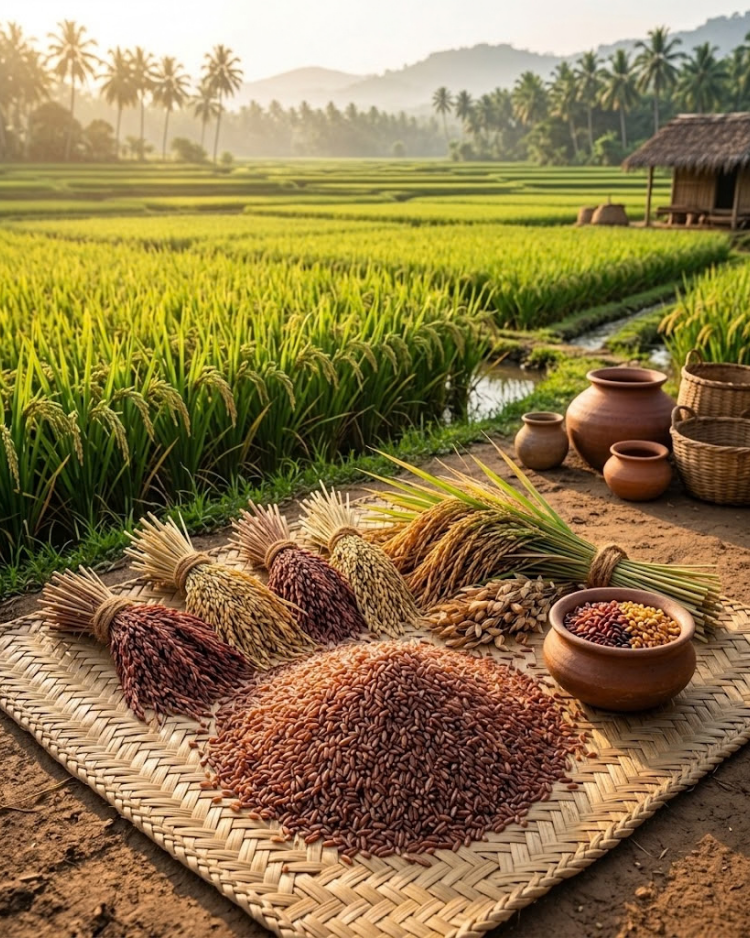
Heirloom rice is rice that has been cultivated traditionally by farmers for generations. The varieties of rice still cultivated are older than those of modern high-yield varieties. They were frequently selected for their flavor, resistance to local climates and their nutritional value.
Such rice has a rich history in Sri Lanka. The majority of traditional varieties are red or reddish-brown and many are sold with the outer layer still on the grain. This outer layer is rich in fiber and many natural components in the plant.
What Are Polyphenols?
Polyphenols are naturally occurring compounds in plants. They provide colour to many fruits, vegetables and grains. They are available in berries, tea, cocoa, and some colored rice.
Studies are looking at polyphenols as antioxidants. Simply put, they can aid in safeguarding body cells from damage. Other research indicates that they could be beneficial for gut and heart health.
“Polishing” involves removing a majority of the outer layer of the rice grain in the process of making white rice. This also excludes a large amount of fibre and plant compounds. Traditional varieties of rice are not so polished and tend to retain more of them.
Why Gut-Friendly Eating Is Popular
The gut contains trillions of little living organisms. They can be referred to as the gut microbiome together. They aid in digestion and can also influence your mood and immunity.
The favorites of these beneficial bacteria are the fiber types in food. A healthy gut is a hallmark of high fiber. Whole grains and less polished grains have more fibre than white rice.
It’s one of the main reasons why heirloom rice is being talked about. It fits in nicely with the worldwide trend of foods that are good for the gut!
Meet the Local Grains
Let’s take a brief glance at three popular varieties:
A fragrant and tasty rice variety from the country of Suwandel. It has long been recognized as a nutritious food in Sri Lanka.
- Kalu Heenati: Firm-biting dark traditional rice. It has a rich, earthy flavour for many people.
- Kurulutuda: red rice used for cooking that has a nutty flavor. It is a popular option for filling and nourishing foods.
Nutrition may differ from farm to farm, soil to soil and depending on the type of milling. Use the claims on the packet as a guide, and not as a promise.
Slow-release carbohydrates and blood sugar levels
Rice is a carbohydrate, which is converted to sugar in the body. Slowly digesting foods help slow the rise of blood sugar. This is also quoted as a “lower GI”.
Traditional varieties tend to have more fibre, which can help you feel full for longer and prevent fast rises in blood sugar. There are studies showing some of these things when it comes to traditional and unpolished rice, however, depending on the variety.
That’s one main reason why heirloom rice is associated with diabetes prevention. It can be a wise component of a healthy lifestyle, together with workouts, good sleep and well-balanced meals. Not a cure or treatment, however. Before making any changes to your diet, consult your doctor or dietitian if you are at risk for diabetes or if you already have it. Even healthy rice should be served in a portion size.
Heirloom Rices for Today’s Eating Habits
- Busy people adore meal prep, and these grains are great for the job. Here are some simple tips:
- Soak first. Place the rice in water for several hours before cooking to reduce cooking times and to soften the rice.
- Cook in batches. Prepare for 3-4 days and refrigerate in clean containers.
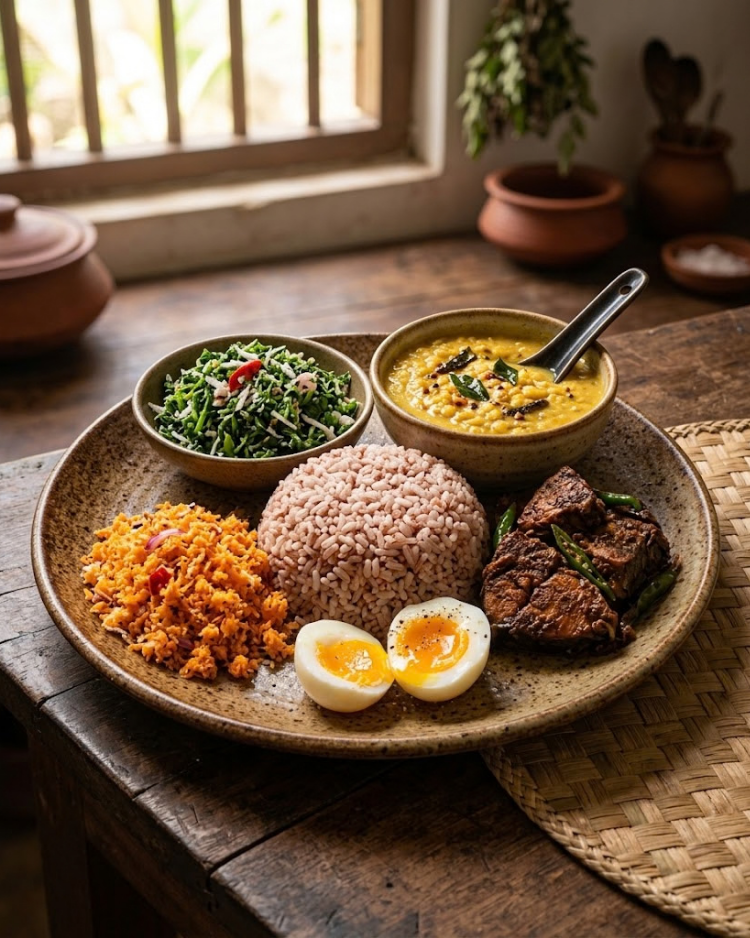
- Create a healthy plate. Half of the plate should be filled with vegetables, one fourth with protein (fish, egg, or dal) and one fourth with rice.
- Cool and reheat. The cooled cooked rice then becomes more resistant to digestion when reheated and is somewhat like fiber. Keep it in a secure place in the fridge and don’t leave it out for too long.
- Try new meals. Serve fried rice, rice bowls, kanji, or lunchtime rice packs with leafy greens and sambol with heirloom rice.
Where to Buy and What to Check
Buy from reputable traders or at farmer markets or organic stores. Make sure that the packet identifies the variety and the location in which it was grown. These grains are popular, and therefore can be mislabelled. A good seller will like to answer your queries.
The purchase of heirloom rice also helps to preserve the small farmers who continue to grow these rice varieties. This will help to preserve Sri Lanka’s food heritage and the diversity of farming.
Final Thoughts
The local cereals of Sri Lanka are not of recent origin. The new thing is how the world is becoming aware of their worth. They’re a great source of fiber, taste and plant compounds, and are very convenient to incorporate into today’s meal prep.
Don’t do it all at once. Start small. Try an heirloom rice instead of white rice two to three times per week, eat lots of veggies and see how you feel. Sometimes it’s best to take a step backwards when it comes to going forward.















Discussion about this post