


This post is also available in:
 Tamil (தமிழ்)
  Sinhala (සිංහල)
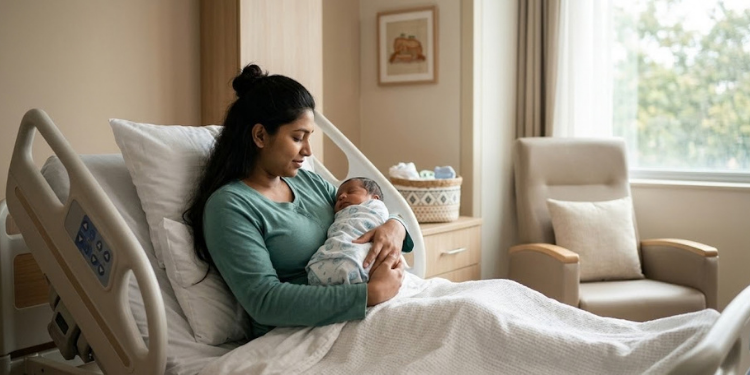
After birth, the attention was almost exclusively devoted to the baby. The new mother was instructed to “rest, eat well and wait for her body to return to normal. However, a postnatal rehabilitation program is not just about waiting. Your body has accomplished a major feat and it deserves healthy treatment.
This concept is being embraced in Sri Lanka. Mothers are now supported by structured care and support at new postpartum retreats or care centers. They are moving in a gentle manner, with nourishment and local food, all combined. This change is happening because we need to look at why this change is needed and what a healthy recovery will look like in this blog.
Why postpartum care is important
The body is altered in numerous ways during pregnancy and birth. Abdominal muscles stretch. These muscles, which hold up the bladder and womb, are strained. Hormones fluctuate, sleep is disrupted and energy levels are reduced.
There is a lot of pressure on many moms to recover and bounce back in a hurry. This pressure isn’t fair and it can have a negative impact. If you do strenuous exercise too early, it can lead to pain, urinary leakage or back problems. It is better to take a slow and planned approach.
Post-partum care centers have come into existence
Most of the care was provided at home by the families. Grandmothers, aunts, and relatives assisted in cooking, baby care, and rest. This support is still very valuable. But today, many families live geographically distant from each other, and many mothers are back to work earlier.
Due to this, special postpartum centers are gaining popularity in Sri Lanka. These areas may provide:
- A quiet area where the baby can relax and connect.
- Trained staff for baby care and feeding support
- Exercise for new moms: a gentle referral program.
- Preparing meals planned for recovery.
- Emotional support, time to discuss
They are not a substitute for family. They provide yet another form of assistance, particularly if it’s not available from the family.

Core Re-Strengthening, Done Gently
The muscles on the belly stretch as the baby grows in the womb. In some women, the two sides of the main belly muscle separate. This is referred to as diastasis recti. It’s normal and frequently it’s possible to improve with proper care.
This is why it is not advisable to begin with sit-ups and hard core exercises following birth. It may put too much pressure on a loose tummy. Making an inside change is the best way to start.
Gently warm up the core by doing some of the following activities:
- Slow breathing: taking deep breaths, rising abdomen, then slowly breathing out, retracting abdomen.
- Pelvic tilts: Rock hips on back, slowly up and down, knees bent.
- Gentle walking: Walking is brief and easy and slowly progresses.
Before beginning, always consult your doctor and/or trained physiotherapist. Every birth is different and additional attention and time must be given to having a C-section.
Low-Impact Pelvic Floor Movement
The pelvic floor is a muscle group that is extremely underutilized and important after birth. A weak and/or tight pelvic floor can lead to leakage and/or pelvic pain and a feeling of heaviness.
Simple exercises of the pelvic floor, which are also known as ‘Kegel exercises‘, can be beneficial. Here’s a simple method to do them:
- Be comfortable sitting or lying down.
- Tighten the muscles that are associated with withholding urination.
- Take a short break and relax completely.
- Perform 8-10 times several times per day.
It is as significant as relaxation to squeeze. There are mothers who have a tight pelvic floor, and cannot be assisted by further squeezing. A women’s health physiotherapist will be able to determine what is right for you. Gentle stretches and walks, or gentle yoga can also be beneficial in this area without strain.

The ideal source of local nutrition for new moms
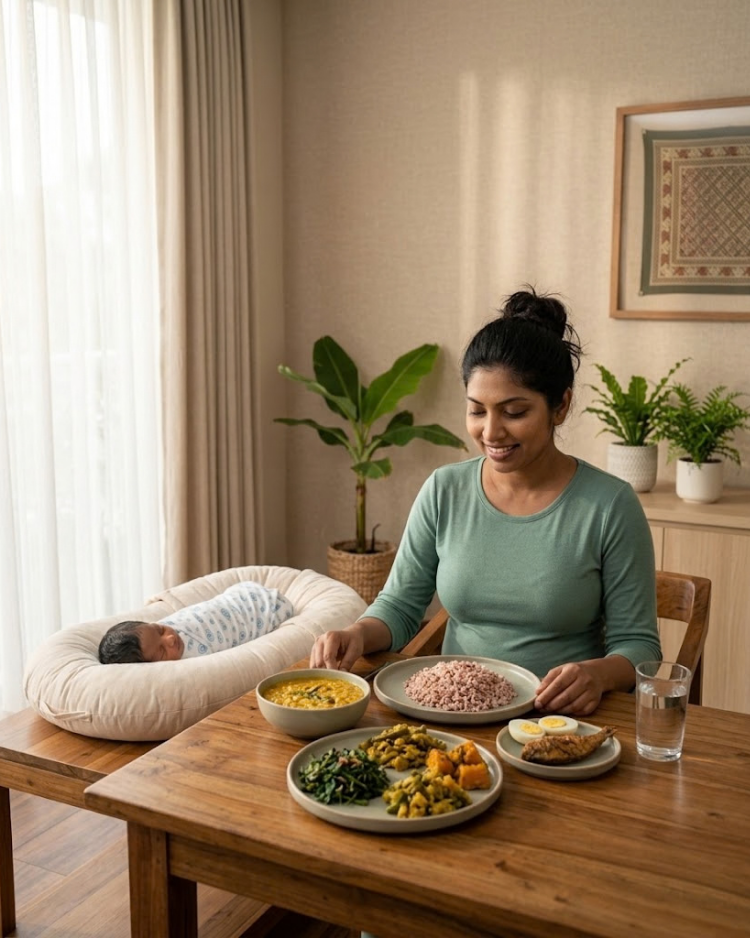
Eating is a part of recovery. A new mom is likely to be hungry, thirsty and require extra energy, protein and iron, particularly if she is breastfeeding. Fortunately, there are lots of locally available foods that can assist.
- Protein: Eggs, fish, chicken, dhal and other pulses aid in the healing of the body.
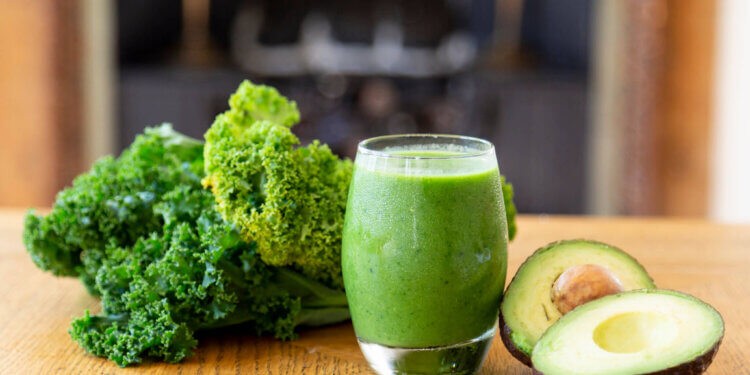
- Iron-rich foods: To replenish iron lost during blood loss, foods can be eaten that contain iron, like gotukola, mukunuwenna and murunga leaves, dhal and lean meat.
- Whole grains: Red or Brown rice for long-lasting energy.
- Healthy fats: Coconut (a little), nuts and seeds provide energy.
- Fluids: Water, King coconut water and soups to keep the body hydrated.
Some of the normal foods may be offered during the postpartum period, such as herbal porridge and warm light meals. Welcoming and feeding many. Always check with your doctor, especially while breastfeeding, before drinking herbal drinks or taking special remedies.
Do Not Forget Mental Health
It’s more than the body. Many new moms are tired, teary, or anxious in the first few weeks. This is common. But when sadness, concern, or despair lasts or overwhelms, it is essential to seek help from the doctor or trusted health worker. Seeking assistance is a measure of strength.
Final Thoughts
It’s not a race during the postpartum period. This is a time to heal, learn and connect with your baby. In a safe and planned manner, more Sri Lankan mothers are making a successful recovery at modern care centres, through gentle movement and local nutrition.
To new mothers, or others who support mothers, remember that slow is fine, rest is useful, and help is welcome. Talk with your doctor about the time to begin moving, and take it easy, step by step.










Discussion about this post