


This post is also available in:
 Tamil (தமிழ்)
  Sinhala (සිංහල)
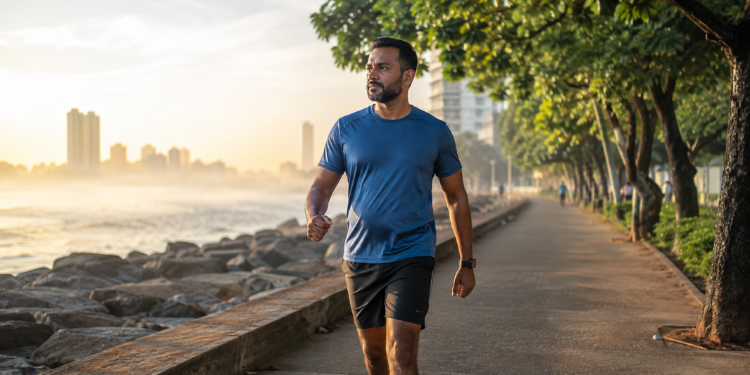
Most of the people in Sri Lanka make the same mistake when they exercise outside. They push too hard.
In the morning, they start running at a speed they feel motivated to maintain. They are overtaken by the humidity within 10 minutes. Sweat is pouring. They’re going through the roof on their heart rate. They start to breathe rapidly and deeply. After 20 minutes, they’re either strolling or making their way back home. Then after a couple of weeks of this, they stop going altogether without anyone knowing.
It’s not because they aren’t fit. It isn’t something they’ve been disciplined about. It is their pace. They are training at the wrong level for the conditions they are training in and their body is shutting them down as a result.
It is not necessary to train in the tropical heat this way. It’s known as Zone 2 Training. But it is better here than nearly anywhere else in the world and that is because of the humidity and not despite it.
What Zone 2 Training REALLY means
There are 5 zones of heart rate training, labeled 1-5, indicating their intensity.
Zone 1: very light activity – gentle stroll. Zone 2 is in the bottom half: fast enough to be getting the job done but not so fast you can’t have a full conversation without gasping. Zone 5 is the max effort: a sprint.
Zone 2 is around 60-70% of your maximum heart rate in numbers. For a 35-year-old Sri Lankan, this would be about 111 to 130 beats per minute. A maximum heart rate can be estimated by subtracting the age from 220. The 40-year-old can have a max of ~180 bpm, which gives Zone 2 a range of 108 to 126 bpm.
At this intensity, your body is burning fat, more than glucose, as fuel. You’re exercising your cardiovascular system but not pushing it way too hard. Your muscles are working steadily, but not as hard as they would during the burning and fatiguing workouts that lead to lactic acid build-up. And your body can hold up to 30 to 60 minutes or more at this intensity before the quick drop-off you experience when you go to higher zones.
The zone where top endurance athletes train most of the time. It’s also the largest area where Recreational exercisers in Sri Lanka would hardly ever embark on training, for it feels too easy by Western fitness standards. But in the hot and humid tropical conditions, Zone 2 is not too easy. It’s just right.
Sri Lanka’s climate renders Zone 2 training ideal, for what reason?
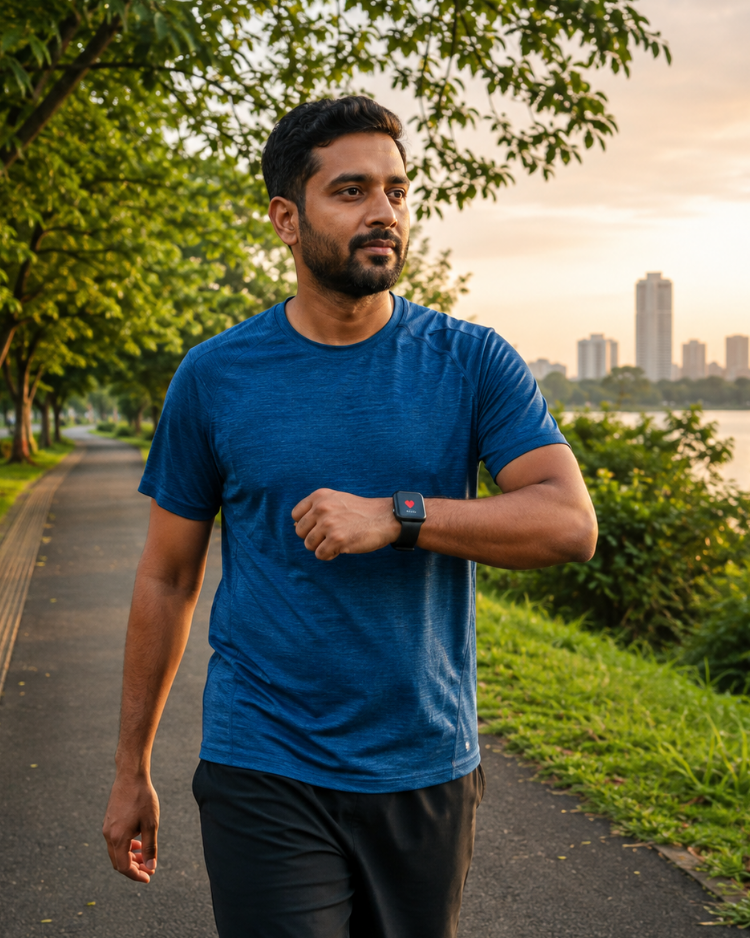
This is because if you work out in the heat and humidity, your heart rate rises at a comfortable speed. When you get hot, your heart has to increase its pumping to get blood to the skin to cool you off, in addition to pumping blood to your muscles.
This implies a Zone 2 pace for a cool European climate is Zone 3 or Zone 4 in Colombo’s morning heat of 32 degrees. The comfortable pace that a London runner might manage at 125 beats a minute in Zone 2 — could be 145 or 155 beats a minute for a Colombo runner, and only sustainable for 20 to 30 minutes before fatigue and overheating set in.
This is why many Sri Lankan runners get burned out early and plateau. They’re working out at a level that’s not sustainable in their climate and that’s because they don’t realize that the heat itself is increasing their workout by 15 to 20 beats a minute.
The tropical Zone 2 protocol takes this into account. Rather than a pace, a target heart rate is used. You start to slow down, even sometimes drastically, until your HR falls into the 60-70 percent zone. This is usually a very brisk walk, no jogging in Sri Lanka’s climate. That’s 100 percent right!
The application of it in Sri Lanka’s walking tracks
The walking tracks at Independence Square (Diyatha Uyana), Bellanwila, and at the seafront of Galle Face are ideal for Zone 2 training.
You need to wear a fitness band that shows your real-time heart rate (a Xiaomi band costs 3,000 to 6,000 LKR on Daraz) or use your cell phone’s health app with a compatible wearable. The key to Zone 2 training is the real-time data of the heart rate. If not, you’re just making an educated guess.
Find out your Zone 2 range based on the formula shown above. Put it on your phone as a lock screen – referencing it will be easy during your session.
Then begin to walk at a moderate, fast pace, and monitor your heart rate. Slow down a little as you slowly work your way into your Zone 2. If it’s still climbing, slow down even more. Many people are taken aback and amazed at how many people are in Zone 2; even after walking for a moderate amount in the heat of Sri Lanka, they will have to reduce their speed significantly to stay in Zone 2.
Do not fight this. This is how the protocol is supposed to be functioning. Your task is to maintain your heart rate in that zone for the entire 30- 45 minutes no matter how fast or slow your pace is. Occasionally on humid days or during the heat of the day, this pace could seem almost too slow to be embarrassing. Always stay in the zone.
After 6-8 weeks of regular Zone 2 training (3-4 times a week), your cardiovascular fitness levels increase markedly. Your heart is made more efficient. A faster walk or a light jog will require the same heart rate as a walk. You’re developing an aerobic base, which is what exercise scientists refer to as the foundation of all other training and makes the rest more effective and sustainable.
If you are training on hot days, how long and what to do?
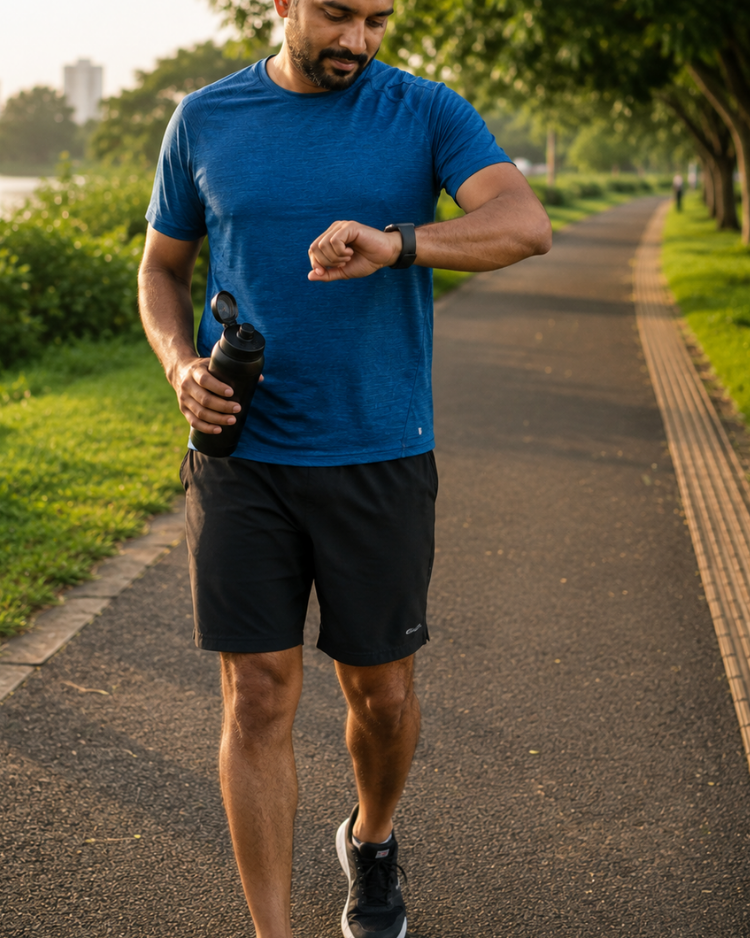
The optimal time for Zone 2 training for Sri Lanka is from 5:30 am to 7:30 am. The air temperature is the lowest at this time, the humidity is not as high as it is in the afternoon, and the UV radiation has not been as high as it will be in the hottest part of the day. The morning time is much cooler and easier to be in Zone 2.
Bring water and sip often (10-15 minutes). Even while you are exercising at a steady pace, dehydration increases your HR regardless of the amount of effort this is why it can push your HR over Zone 2. No one can afford not to stay hydrated in Sri Lanka’s climate; it is part and parcel of the protocol.
Dress in light colored, moisture-wicking clothes. Dark colors will heat up your skin quicker, which will increase your heart rate. In tropical temperatures, a breathable, light-colored T-shirt can have an impact on your heart rate and comfort.
The cumulative benefits of Zone 2 Training on the body
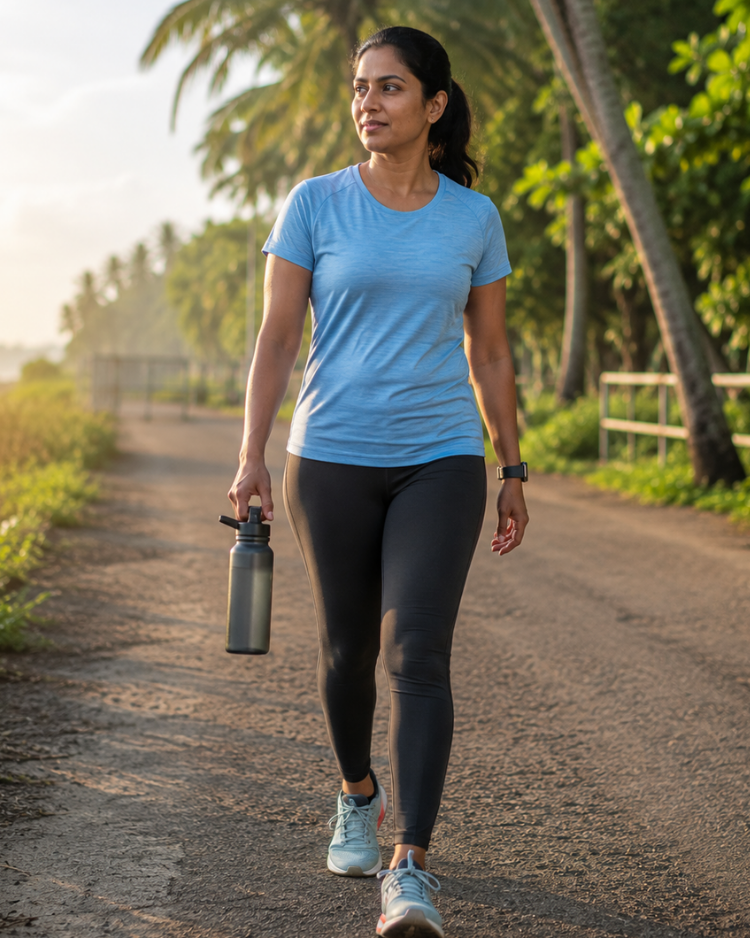
These adaptations from regular Zone 2 work are slow to develop and have a long duration. Your heart expands and gets more efficient; that is, it pumps more blood with each beat, so an athlete’s resting heart rate is lower. Your mitochondria, the power-packing parts of your muscle cells, multiply and become more efficient, so that your body is now firing on all cylinders for fat-burning. Your blood vessels grow more flexible and also dilate, causing better blood flow to all parts of your body.
Blood sugar, blood pressure and early signs of metabolic syndrome are among the most evidence-based issues that can be treated through Zone 2 training for Sri Lankan adults. It has positive effects on insulin sensitivity, lowers resting blood pressure and helps maintain long-term heart health that some high-intensity training does not maintain as regularly.
The Bottom Line
The hot and humid conditions in Sri Lanka do not prevent people from exercising outdoors. They are the environment your training will have to fit within and Zone 2 is the adaptation. Ride at a level that will maintain an ideal training zone range for your heart. Do it consistently. See your fitness progress steadily increase without the morning exercise routine of running yourself into a frenzy.
“Slow does not equal lazy in Sri Lanka’s heat. Slow is strategic. The runner who feels good after each session will always last longer than the one who burns out by the time they reach week 3.”
















Discussion about this post