
This post is also available in:
 Tamil (தமிழ்)
 Sinhala (සිංහල)
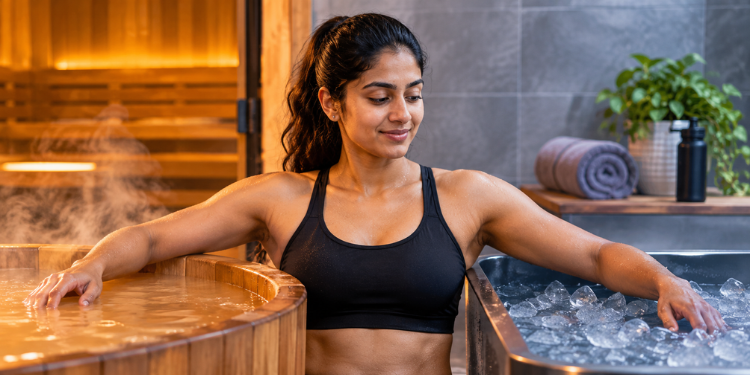
Have you ever experienced athletes jumping out of a hot sauna and into a cold plunge? This is also known as contrast therapy. It is a very popular activity in gyms and rehab centers. It is said to relieve sore muscles, reduce stress and aid sleep.
But how does this work and what does science really say? Here in this blog, we explore this idea in simple terms and provide an easy, safe method to try.
What’s Contrast Therapy?
Contrast therapy is an alternating warm/cold exposure. For instance, a few minutes in a hot bath or sauna followed by a few minutes in the cold water. You do this a couple of times.
It doesn’t have to be a super fancy spa. It can be as simple as a warm shower followed by a cool shower.
What Happens Inside Your Body
- Temperature affects your blood vessels.
- Cold makes your blood vessels narrow. This is known as “vasoconstriction“. The blood supply to the skin and muscles decreases.
- In the heat, blood vessels dilate. This is known as vasodilation. Blood flow goes up.
- When you alternate, your ships become tighter and wider over and over. This is known by some as a “pump” of the blood vessels.
Does It Flush Out Waste?
Your muscles might feel “flushed” when you get contrast therapy. It’s nice to hear, but the science is not clear. There has been little evidence that this pump action gets rid of waste from muscles quicker than other recovery techniques.
The research does show that contrast therapy can reduce pain and increase recovery from strenuous activity. Even if the exact cause remains under study, it’s still a good thing to feel better.
The Research indicates that:
The results of studies conducted on contrast water therapy indicate different outcomes. Others experience minor reductions in muscle pain after demanding exercise as opposed to rest. Others find it to be just as easy as being less active, such as easy walking or stretching.
Cold exposure can also help to decrease inflammation. However, inflammation is a part of muscle adaptation and muscle growth post-training. Some people may experience a slight delay in muscle growth if they repeatedly use the cold after strength training.
Here is the thing: a key benefit of contrast therapy is that it can be a nice recovery tool, but it’s not a magic pill.
This can be of help in calming the Nervous System
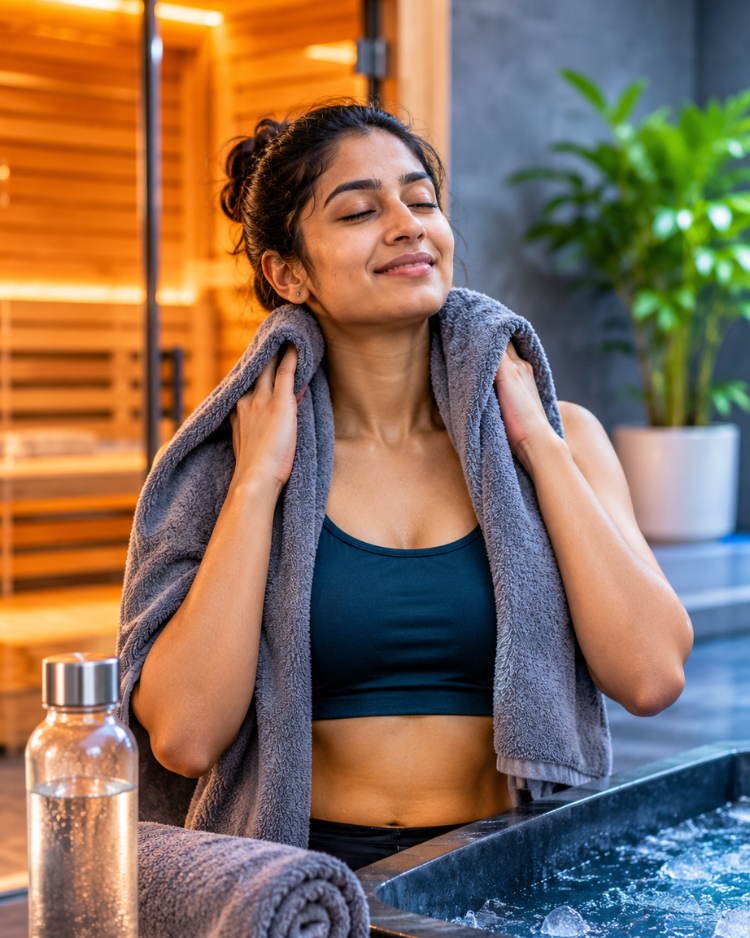
It can relax the muscles and calm the mind by making use of heat. Cold can act as a stimulant and it can be a wake-up call. There is a sense of calm and relaxation after the cold, when re-warming.
This mix could be soothing to some and help alleviate their stress. Some people claim that they sleep better if they exercise at night. Each person reacts to sleep in his or her own way, so be aware of your own reaction.
Wired and wired when cold, try your workout earlier in the day or a warm phase.
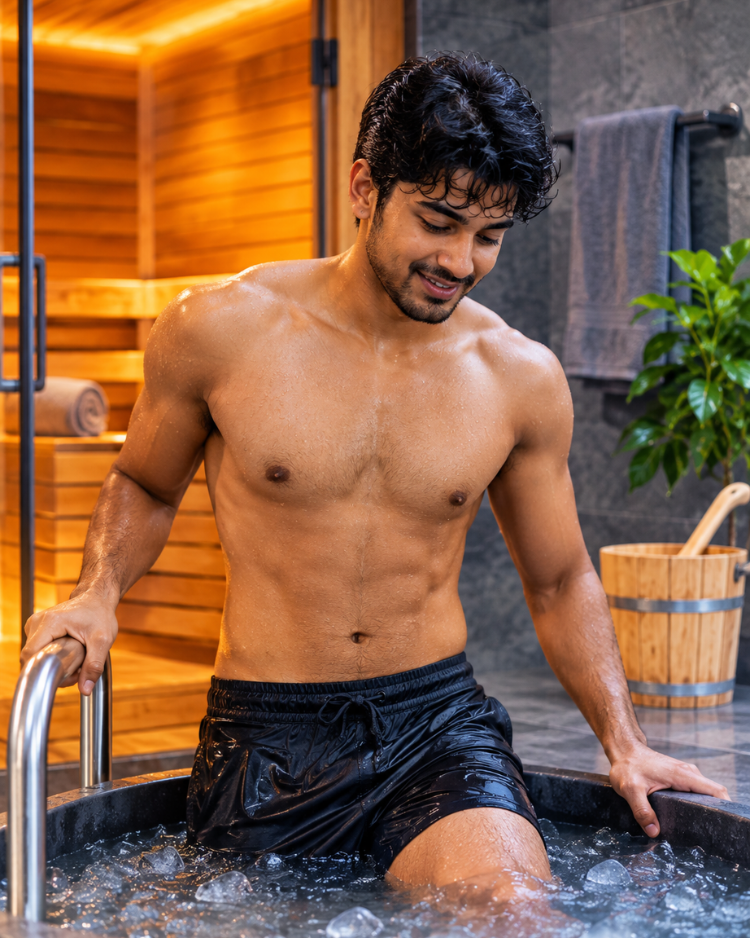
A quick and easy basic routine
- Always start gently.
- Warm phase: 3-4 minutes in a warm shower/bath.
- Cool phase: 30-60 seconds of a cool shower. Don’t be painful; it should feel cool and fresh.
- Repeat: 3-4 rounds.
- Finish: End as desired. Many (and I say many) would rather end on warm if they want to sleep and cool if they want to feel alert.
- Longer warm phases can be used if a sauna and a cold plunge are available. Remember, cold plunges are brief and should only be done alone.
Contrast Therapy at Home
- There is no special equipment that is required. They use that, many of the warm country-residents have simple tools.
- A warm shower, followed by a cool tap shower.
- A bucket of cool water to pour over your legs upon finishing running.
- A hot pack to tight muscles followed by a cold pack in cloth.
- Avoid keeping ice on skin for prolonged periods of time. Please use a cloth between ice and skin and keep each cold phase short.
Safety First
Contrast therapy is not suitable for all people. Please talk to your doctor first if you:
- Have heart problems or hypertension.
- Are pregnant
- Those who have diabetes, poor circulation or who are elderly.
- Feel hot or cold:
- Feel dizzy easily
If lightheaded, dizzy, or extremely uncomfortable, stop exercising right away. It may damage the skin if it’s either too cold or too hot.
How often per week should this be repeated?
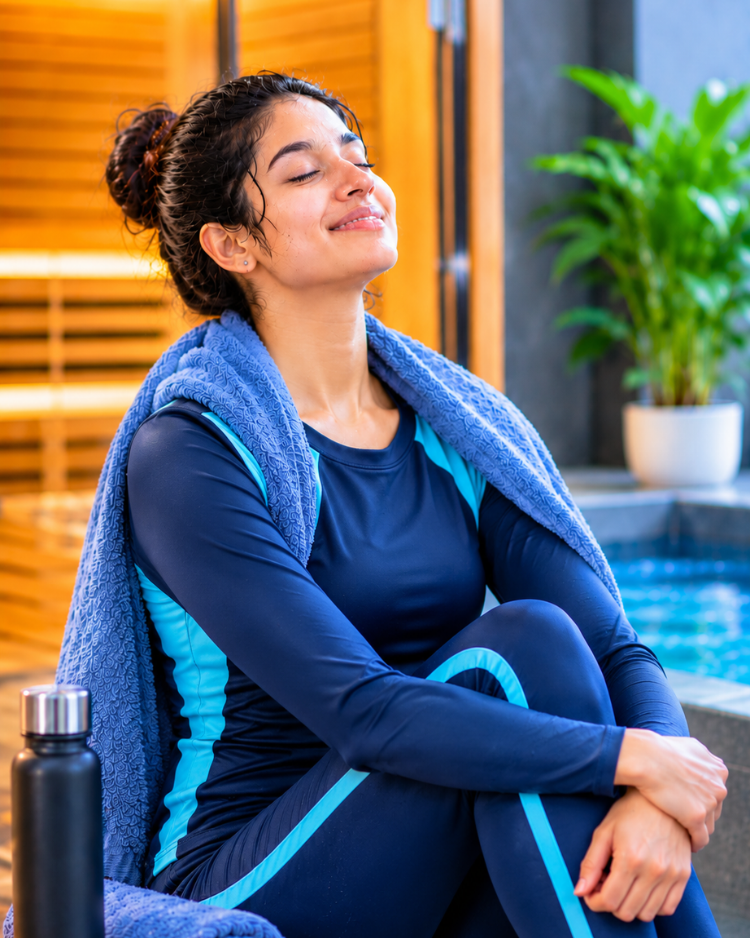
Most people don’t have to have contrast therapy every day. Start by exercising 2-3 times a week. After the heaviest exercise or if tight or stressed out.
Those with the goal of building muscle may prefer not to use it for a few hours after training, and instead use it on days that they aren’t training. Be flexible if it’s for endurance or simply for relaxation.
Go with your body’s desires; it will guide you. If you don’t have a good time, shorten the time the next time or avoid it altogether.
Go with your body’s desires; it will guide you. Don’t enjoy a session, cut it short the next time or skip it altogether.
The following are some tips to make the most of it
- Drink water. When it is hot, you sweat and this can result in fluid loss.
- Do not overdo it. The longer, the better.
- Maintain good fundamentals. Rest, sleep and food offer much greater recovery effects.
- Choose the suitable time. It is used a lot during rest days or when you have done endurance training.
Final Thoughts
Contrast therapy is a great way to relax and reduce soreness and can be a straightforward aspect of your weekly routine. But it should be utilized in addition to other recovery methods and not as a replacement for sleep, good nutrition and sound training.
Give a gentle version a try at home this week to see how your body responds.







Discussion about this post