



This post is also available in:
 Tamil (தமிழ்)
  Sinhala (සිංහල)
Space travelers lose up to 20 percent of muscle bulk in a matter of weeks, but they remain fit with computerized exercise programs to maintain their fitness and health in the zero-gravity atmosphere. This might sound counterintuitive, yet being in fitness in microgravity is not only important to their success in the mission, but also to their health in the long term. What is even more amazing is the fact that these specialized exercise plans that were created to suit astronauts are now motivating those who are into fitness back on earth.
Today, we are going to address the special fitness problems that astronauts have in space, what their exercise programs are like, and how our methods can be modified so that we can enhance our exercise programs here on the ground. No matter whether you are a gym enthusiast, a home exercise enthusiast, or someone who wants to experience something new, astronaut-inspired training provides lessons with tremendous power to all of us.

Why Fitness is Critical in Space
The human body changes significantly in space, which is almost gravity-free. The muscles and bones do not need to strain as much without the influence of gravity on the body. The result is the atrophy of the muscles (loss of muscle mass), a decrease in bone mass, and the deterioration of the cardiovascular system. Studies have indicated that astronauts may lose as much as 1-2 percent of bone mass each month of space travel; this is very rapid when compared to the usual loss of bone mass due to age on Earth.
Fitness is a key aspect that astronauts have to maintain not only to take care of their health but also to be effective in the mission. They require power and endurance in order to navigate the spacecraft without any harm, use sophisticated machinery, and do spacewalks, most of the time in heavy suits. Cardiovascular fitness and flexibility will enable them to endure emergency situations and get back to the earth without significant health issues.
A lot of research has been conducted by organizations such as NASA and the European Space Agency (ESA) to counter the effects. Their results are used to design exercise regimes that ensure that astronauts are in shape, strong, and mission-fit.
Constituents of Astronaut Training
Astronaut exercise programs are designed to fight against muscle and bone depletion as well as to sustain general health. Key components include:
- Strength Training: Astronauts exercise on special equipment such as the Advanced Resistive Exercise Device (ARED), which is similar to weightlifting training but provides resistance even in space. The ARED permits squat-like exercises as well as deadlifts and bench presses, which keep the muscle mass up and the bones strong.
- Cardiovascular Fitness: Running and cycling play an important role in the health of the heart. Astro-astronauts have a treadmill in space on which they are suspended using harnesses and bungee belts to ensure they are propelled to the ground, or rather pulled, again to the treadmill. They also utilize stationary bikes with microgravity modifications.
- Flexibility & Mobility: It is important to keep the joints healthy, and therefore, astronauts engage in stretching exercises that ensure their muscles are flexible and increase circulation.
- Balance & Core Training: Although the balance is not as strained in the microgravity, core strength and stability training are also relevant to maintain the movement and posture within the spacecraft.
Illustrations usually depict the astronauts attached to the machines in the claustrophobic space stations, pushing against resistance bands or jogging alongside, all with great attention and accuracy.

Modifying Space Workouts on Earth
The best thing is that most of the aspects of these space-specific and high-tech workouts can be translated into earth-based fitness programs, particularly among individuals seeking effective yet compact workouts.
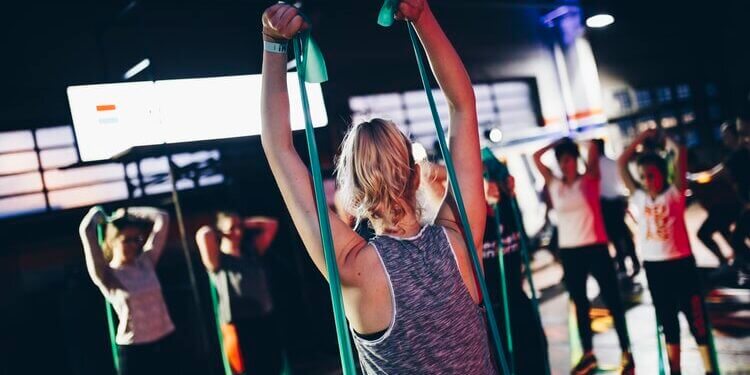
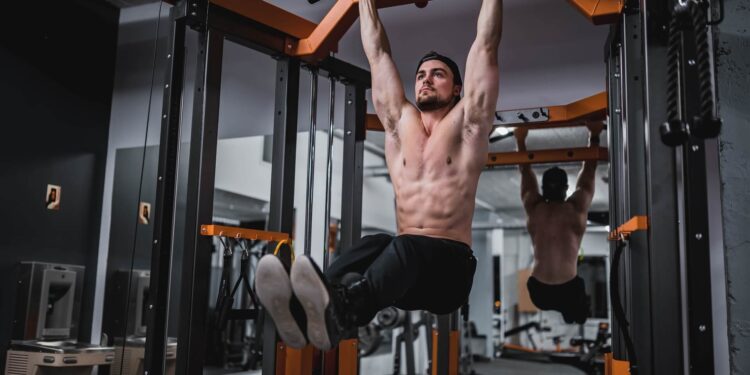
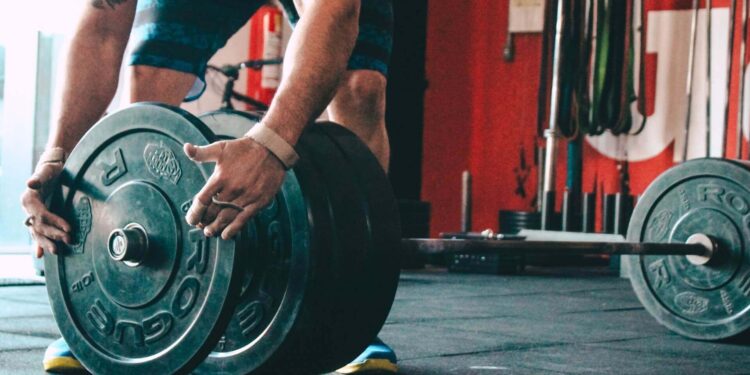
- Resistance Training: You do not require an enormous machine such as the ARED to get the results. Resistance bands, suspension trainers (such as TRX), and even body weight exercises such as push-ups, squats, and lunges can produce similar muscle-building effects.
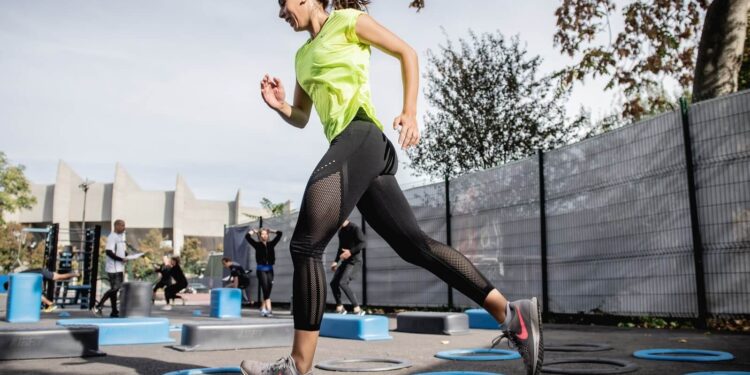
- HIIT (High-Intensity Interval Training): HIIT exercises are commonly a combination of brief strength and cardiovascular exercises to ensure that the most is achieved within a short duration. This can be replicated in HIIT programs that have rapid alternations between activities, which enhance both stamina and strength of muscles.
- Stability Workouts and Core Strength: Planks, stability ball exercises, yoga poses, and balance boards train core strength and proprioception, which form the major aspects of astronaut fitness.
- Compact & Equipment-Light: Due to the small space on space ships and the equipment, the astronauts’ routines are usually short and very focused, and they could work out at home or the office, and it could be that there is not much space or equipment.
What We Can Learn from Astronaut Training
The lessons to be learned at Astronaut Fitness go beyond exercises themselves:
- Consistency & Discipline: Astronauts have schedules of their exercises that are elaborate in their day-to-day lives. On the planet, it is necessary to follow a routine, regardless of the intensity of life, to ensure continuous fitness benefits.
- Precision & Form: Each step matters in space to prevent harm or unnecessary effort. The correct form of exercise enhances performance and minimizes the chances of injury during any workout.
- Tracking & Feedback: NASA has a lot of monitoring gadgets that are used to monitor the fitness of astronauts. Fitbit bracelets, cardiograph, and apps will introduce a more data-oriented solution to our exercise routines, making it performance-optimizing.
- Mental Fitness: Space missions require severe mental attention and stress control. Resilience and general wellness can be enhanced by adding mindfulness, meditation, and breathing exercises to Earth exercises.

Live Case Studies of Space-Based Fitness Programs
A number of gyms, fitness brands, and internet platforms have developed space-themed workout programs, selling them as a futuristic, efficient, and scientifically sound workout program.
- Others provide resistance band circuits and HIIT based on astronaut training concepts.
- The coaches of fitness through the Internet have integrated core stability, balance, and cardio exercises based on space exercise equipment.
- Sportspeople and amateurs have reported on the way space-like exercises
contributed to an increased level of strength, stamina, and concentration.
These programs are also focused on a high level of versatility, which means that people at varying levels of fitness can leverage the strategies that were originally oriented towards the specifics of the extreme environment of space.
Conclusion
The example of human adaptation and innovation is the topic of fitness in space. The exercises that are created to make astronauts healthy in a tough zero-gravity simulation provide a potent lesson in fitness on the surface. Not only are their routines innovative and effective, but they are also highly adjustable to our everyday lives.
With a combination of resistance training, interval routines, core stability, and habits of discipline that astronauts have been working on to gain strength, stamina, and a clear mind, any person could become stronger, more vigorous, and focused without stepping up. And the next time you train, keep this in mind: you do not have to use a rocket to become an astronaut; all that is required to be on the top level of fitness is to spend several minutes in the training atmosphere of zero-gravity.

















Discussion about this post