



This post is also available in:
 Tamil (தமிழ்)
  Sinhala (සිංහල)
Stress is a very bad and undesirable companion that we have in our hectic modern world. Although most people talk about the physical positive aspects of exercise, the psychological benefits of movement are as important as the physical ones. However, this is the point that is worth noting: not every movement is the same in terms of its relieving effects on stress. You may have some use of the wildness of an intense workout, but when the nervous system is already revived to the limit, milder movement habits may actually work better.
Learning the Stress-Movement Relationship
When we are stressed, our bodies go into the sympathetic nervous system, the one that will make us fight or run. The adrenaline pumps through our blood, our body gets tense, and our system is filled with cortisol. Although hard exercise will ultimately aid in getting rid of stress hormones, it first increases the same physiological reaction. Mindful movement practice is where it is. These stimulate the parasympathetic nervous system, the reactive system of our body, which enables us to move out of a reactive state of being to a rest and restoration state.
The science backs this up. The research is in agreement with the claim that movement-based mindfulness practices decrease the cortisol level, decrease blood pressure, and reduce anxiety and depression symptoms. However, by doing what we are biochemically programmed to do, these practices also provide us with the priceless lesson, which is to be present in our bodies instead of being trapped in our busy minds.

Brisk Walking: The Unrecognized Stress-Reducer
We may begin with the most easy of the practices; walking. Not power walking with a gadget on your wrist tracking your steps and heart rate, but conscious, here-and-now walking. When you go for a walk with the purpose of relieving stress, the mindset is completely different. You are not aiming to meet some calorie quota or outdo yesterday. You are giving your nervous system room to reset.
This can be done by leaving your phone at home or leaving it in your pocket with the phone switched off. Feel what it is like to step on the ground. Note the all-natural synchronization of your movement with your breath. Allow yourself to relax your eyes and absorb the world around you without prejudice. This is not simply about forgetting what you have thought, but it is about allowing your thoughts to go through your head like clouds in the sky.
Even a 10-minute walk done this way can produce a visible change in your state of mind. There is something meditative about the rhythmic, repetitive quality of walking, and, as opposed to sitting and meditating, movement provides the restless energy of your body with an outlet.
Yoga: Not the Instagram Poses
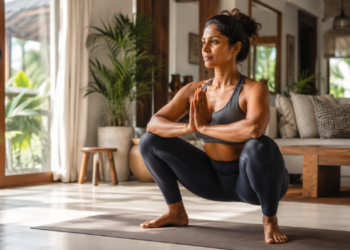
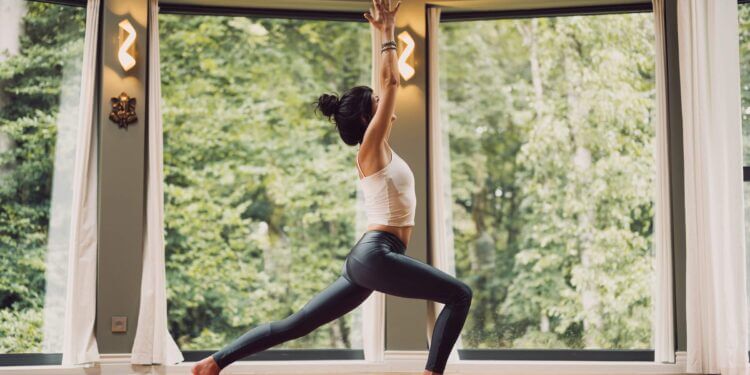
The mainstream yoga has become so common that many people forget that its initial role is not about flexibility or amazing poses. It was designed to act as a training of the body to be ready to meditate and relax the mind. Yoga is another experience when taken in a stress-relieving mode as opposed to fitness goals.
No need to be flexible or take a class to be able to enjoy the relaxing effects of yoga. Basic or rudimentary moves such as cat-cow stretch, child pose, or legs up the wall pose are direct indications to your nervous system to calm down. These soft movements, together with the conscious breathing, give you a great feeling of safety in your body.
And the real magic will come when you cease to use yoga as one more thing to get. Where are you feeling tension? Which movement do you feel the most spacious in? This consciousness is in itself a strong anti-stress agent because it keeps us so detached from the physical sensations.

Tai Chi/ Qigong: Moving Meditation
These ancient Chinese practices may appear soft, yet the impact that they have on stress is strong. Tai chi and qigong are slow-flowing movements that involve breath control and concentration. It has been found that they are especially effective in alleviating anxiety and enhancing emotional regulation.
The peculiarity of these practices is that they are focused on effortless effort. You are not struggling, you are not jogging. You are an attentive, not dictatorial, person. This attribute of calm concentration is what our uptight nervous systems require. It allows you to observe the slightest changes in your body and mind, which develop the type of self-awareness that will allow you to recognize stress before it engulfs you.
These are free or low-cost practices available to most people, as many community centers and parks offer classes. A toolkit to reduce stress can be a simple five-minute routine learned by watching a video online.
Dance: Shaking Off the Weight
Stress should pass through us sometimes not be carefully released. This is where the free-form dance with intuition comes to play. Play music that suits your mood, shut your door, and move as your body wants to move. No dancing, no critique, no spectators.
This is effective as it brings out the emotions that may have been locked up in your body. Frustration, anxiety, and sadness, all of them are kinetic, and dance allows us to externalize and modify them. The good thing about it is that you do not have to be a good dancer. Actually, the benefits of not worrying about your appearance at all are what make this freeing.

How to Build Your Own Practice
In relieving stress, the movement practice that will be most effective is the movement practice that you will actually do. Begin small: five minutes of mindful motion is a million times better than an hour of practice that you continue to put on the back burner. Learn to listen to what the body and mind require on a particular day. There are times when you must have the stability of a brisk stroll. There are other occasions when you have to dance to shed your frustrations or release your tensions.
It is not about the need to put an additional task on your to-do list and design a flawless routine. It is to practice a sense of feeling that moving can be a home to you, a place where you make yourself a home instead of working harder. These practices provide something radical in a world that increasingly requires more, something radical in its ability to allow us to be, in motion.













Discussion about this post