


This post is also available in:
 Tamil (தமிழ்)
  Sinhala (සිංහල)
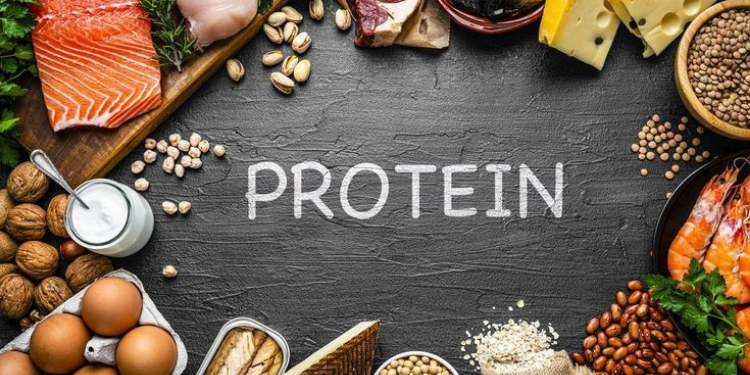
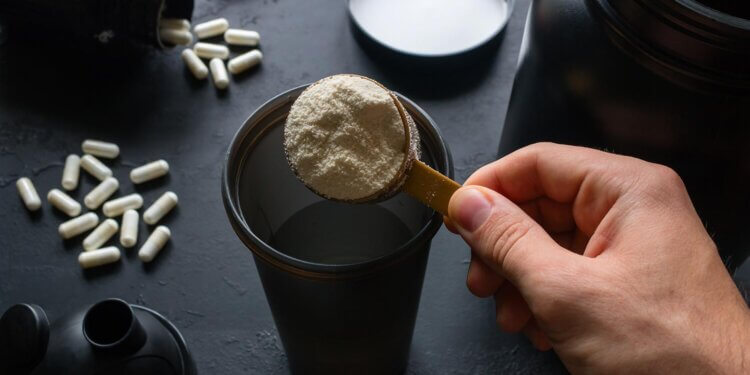
You will find someone guzzling a protein shake seconds after the completion of the last set in the gym. Ask them why and they will explain to you about the sacred anabolic window, a half-hour after exercise when your muscles are craving protein in a frantic manner, or about how your exercise was a waste of time.
However, is this protein timing craze scientifically supported, or is it a false fitness myth that will not go away? We can get down to the facts of when you should eat protein, as evidenced by research.
The Anabolic Window: Myth or Must?
The anabolic window was proposed when early studies on sports nutrition postulated that protein intake right after training maximized the synthesis of protein in the muscles. This gave rise to the protein shake craze in all locker rooms throughout gyms.
However, here is what more recent studies have revealed: the anabolic window is a reality, but it is not as tight and important as we previously believed.
In a meta-analysis published in the Journal of the International Society of Sports Nutrition (2013), it was determined that the total protein you intake each day is much more important than the timing of protein intake. It is a garage door rather than a slow-moving elevator.

What Really Counts: Daily Total Protein
The Foundation First
Don’t worry about protein timing without ensuring that you are meeting your daily protein goal. That would be approximately 0.7 to 1 gram of protein per pound of body weight for most individuals whose sole concern is to build or retain muscle.
The protein intake should be between 105 and 150 grams per day, although the amount depends on the size of a 150-pound individual. When you are not achieving this, then timing is irrelevant. You cannot beat time out of insufficient protein consumption.
Protein synthesis in muscles remains high
Resistance training results in muscle protein synthesis (building new muscle) that is high 24-48 hours after the training. This is a long window because you do not have to panic when you cannot eat immediately after the workout.
Protein intake is good within hours of exercise, yet there is not much of a difference between taking protein 30 minutes, versus 2 hours after exercise, provided that you took protein in your pre-workout drink.
When Timing Protein Actually Helps
Training Fasted
When you exercise in the mornings without eating, your workout time is more significant. Your body has been starved of amino acids in the space of 8-10 hours following an overnight fast and a workout.
Protein consumption in an hour of training does make a difference in this case. Your muscles are waiting to be fed, and you are ending an extended period.
Multiple Training Sessions
Strategic protein timing is more advantageous to athletes who train twice a day or have several intense workouts within a short time. In situations such as when the time between workouts is minimal, you need to get the protein as fast as possible to maximize the time spent on recovery.
In the case of most of the recreational gym-goers who train only once a day, the same does not hold.
Pre-Workout nutrition is also important
Interestingly, pre-training nutrition may be more important than post-training nutrition. When you eat a high-protein meal 2-3 hours before training, you are still digesting and absorbing those amino acids during training and after training.
This is a pre-workout protein that keeps the amino acids flowing in your blood, and it essentially pre-charges the anabolic window. You are already providing your muscles with what they want.

Distribution Throughout the Day
Spread It Out
Instead of stressing about the time after exercising, you should focus on the determination of protein distribution over the entire day. It has been proposed in research that protein synthesis by muscles is best achieved by 20-40 grams of protein intake 3-5 times a day.
This method ensures that the amino acids are always available, and it might be more useful than a single dose of a large amount of protein.
The 20-Gram Threshold
Research indicates that most people optimize muscle protein synthesis with about 20-30 grams of good protein at a meal. There is no proportional increase in the advantage of muscle building by eating beyond this in one sitting.
There is only so much protein that can be utilized and used by your body at a given time to build muscle. The surplus may be utilized in energy or other activity but it will not energize muscle development.
Before Bed Protein
A timing tactic that actually presents some lasting benefits: the 20-40 grams of slow-digesting protein (such as casein or Greek yogurt) before sleep.
When you sleep, you do not eat for 6-8 hours. Pre-bed protein is a steady, slow infusion of amino acids to aid in muscle repair during the night and to eliminate muscle wasting.
The Practical Truth
To the majority, the following is what is important in this order:
- Protein levels (0.7-1g per pound of body weight) total daily.
- Protein intake (20-40g per meal, divided throughout the day)
- Regularity (achieving your protein goal per day)
- Pre-bed protein (in case training hard and desiring to maximize it)
- Protein timing (helpful but not essential) after workouts.

Timing vs. Total: The Bottom Line
The reality concerning protein timing is not quite as interesting as the fitness industry would have you believe: overall protein consumption is more important than timing in the vast majority of individuals.
When you are reaching your daily protein goals of 3-4 balanced meals, the time you take the post-workout shake is not of much significance. The difference between optimal timing and casual timing may be at best 5-10 percent, and that is assuming that all other aspects of your training and nutrition are all perfect.
With that said, the timing of protein consumption is not in vain. It simply should not be first on your list.
Priority 1: Consume adequate protein intake per day. Priority 2: Allocate it fairly around the meals. Priority 3: Perhaps, in fact, if you want to get that final 5%, worry about when exactly.
Most individuals do not require a protein-packed meal or shake within a few hours after training. When you exercise and fast, consume protein earlier. When you have a high-protein meal in advance of training, then you are at liberty to do so afterwards.
And do not have the good, the enemy of the perfect. The individual who meets their protein goal within each day will be well compared to one who has just the right amount of time to take their post-workout shake but misses the goal on total consumption.
Then start with the basics. When all those are dialed in and you are progressing consistently, then you can experiment with timing strategies. Nevertheless, consistency is better than timing in 95 percent of cases.













Discussion about this post