


This post is also available in:
 English
  Tamil
Tamil
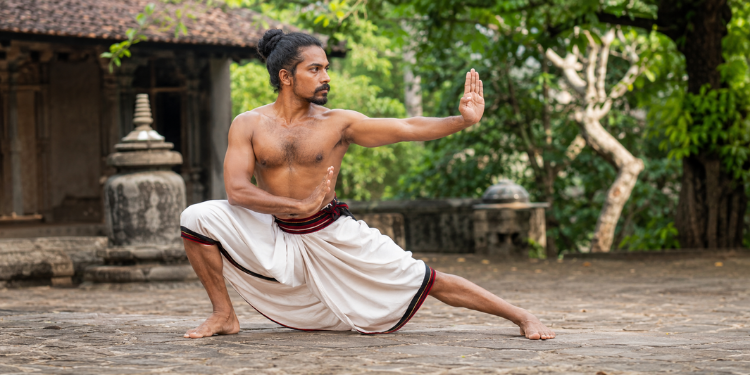
Long before there were gyms in Sri Lanka, there were warriors. These warriors were made, not with weights and running, but with one of the most challenging training programs known on this island.
Sri Lanka’s traditional native martial art is Angampora. It is a fighting technique which incorporates striking, joint locking, pressure points and ground fighting, created over many centuries by Sinhala warriors, who had to be quick, powerful, agile and mentally strong. It worked so well that it was tried to be suppressed and banned by the colonial masters during the British rule of Sri Lanka.
In modern times, Angampora is making a comeback. It is now seen on Sri Lankan fitness and lifestyle content, playing an important role as a symbol of the heritage of a national warrior, and gaining a new group of followers who are interested in both the cultural and the extraordinary physical challenge involved.
However, can it really take the place of gym visits? The truth is, you’ll be surprised
It may seem strange, but many people don’t fully understand what Angampora actually is.
There are two major branches of Angampora. Angam is unarmed combat, the striking, grappling and submission skills which are the foundation of the system. Illangam is an act of war or fight, with traditional Sri Lankan weaponry. The modern Angampora training emphasizes mainly the unarmed system called Angam.
Angampora training session starts with a comprehensive warm-up that involves deep stretching, joint mobility exercises, and breathing exercises. The stances in Angampora are quite flexible and demanding for the core, something that a lot of gym-trained people would find hard to do even after many years of training.
The next stage of the practice involves strikes, footwork, and combinations, building explosive power, speed, and coordination at the same time. Sparring and Partner exercises develop the skills to react in high-pressure situations, remain calm, and practise techniques on an opponent who is resisting. This aspect of the training is very taxing both physically and mentally and can’t be replaced by any single gym class.
Angampora training is physically demanding. Practitioners build functional strength, outstanding flexibility, cardiovascular endurance and the kind of ‘explosive’ power which few gym programmes specifically aim for.
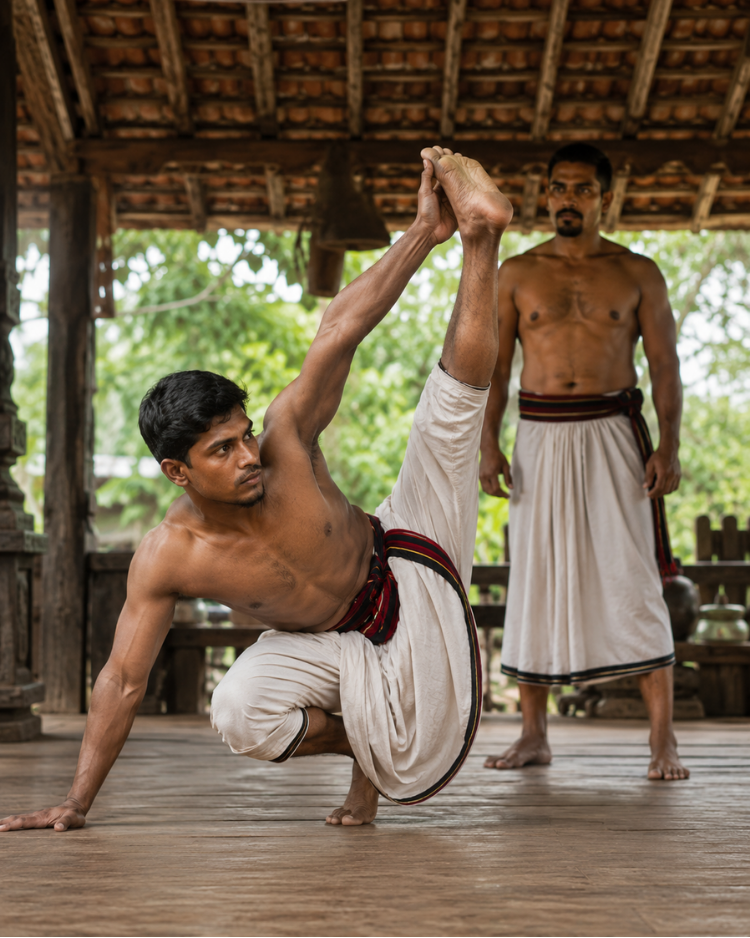
The benefits that the body gets from Angampora
The strength of the core is required to be present in Angampora. All movements are centred around the core, including every strike, stance and takedown. The wide, low posture in Angampora involves keeping the core tight and active all the time and with intensity. This creates a level of functional core strength that is greater than the majority of gym core programs create, since it is always at work with the rest of the body, not separately.
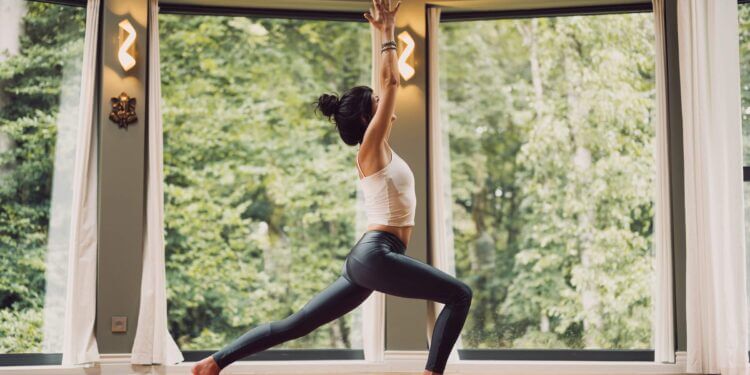
Another advantage of Angampora over traditional gym workouts is its flexibility. The low stances, wide-leg positions, and manipulation of joints are areas of flexibility most gym goers just don’t possess. The flexibility that is developed through the regular Angampora training is developed step by step and practically, is not a training session that is grudgingly added at the end of the workout, but is part of each training session.
The continuous Angampora sparring has the same or higher cardiovascular requirement as most cardio sessions at the gym. There is no monotony in active combat training, as the exercise includes explosive bursts, sustained movement and mental intensity, which helps to maintain a high heart rate during the session.
The most subtle but most impactful physical benefit of Angampora is mental discipline. Year by year, with serious and systematic study under a qualified teacher, the art needs to be mastered. It creates a different mindset about physical training than the typical “personal record” or “scale number” of today: it is not a personal record, but a personal relationship. It is a matter of mastery, respect and the development of a warrior’s body and mind over time.
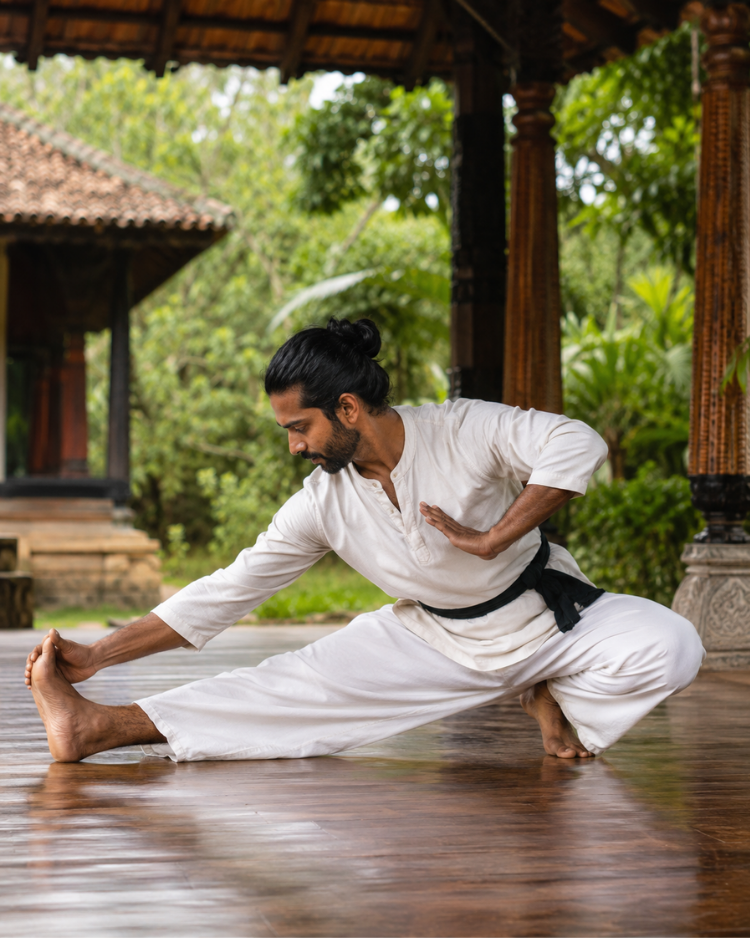
What Angampora Can’t Replace
Not everyone with modern fitness objectives can make the most of Angampora.
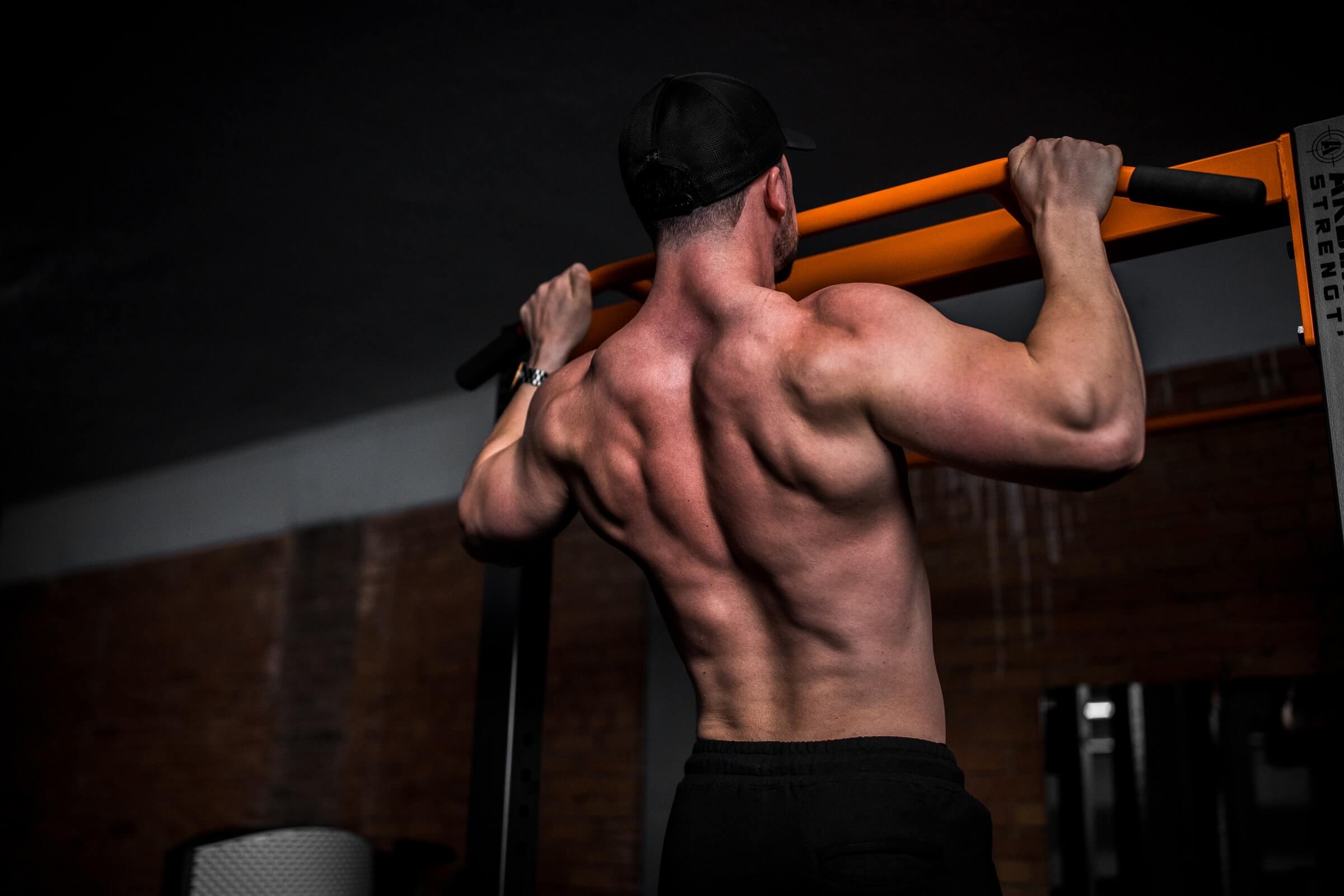
To gain major muscle size and size you will still need resistance training. Angampora, however, does build lean, functional muscle, which is what makes you fast and powerful, without giving the progressive overload that you need to build the size and proportions most gym-goers equate with bodybuilding. The two methods target your body to produce two very different results.
Access is also a true constraint. The distribution of Angampora schools is mainly in and around the Western Province and Colombo. This is because there are very few qualified traditional Angampora teachers outside these areas. An Angampora class is not like going to a gym; there is no such thing as the “do not disturb” sign in the room, the training environment is traditional and has a sense of respect and commitment.
Angampora Training in Sri Lanka is done in various ways. There are various ways to find Angampora Training in Sri Lanka
Sri Lanka Angampora Federation is the principal body that governs the art. They have a database of registered schools that they can match interested practitioners with good instructors. There are a few schools in Colombo, Kelaniya and Kotte.
If you are approaching an Angampora school, do so with true respect for the tradition. This isn’t a fitness class; it is a living cultural art with a lineage of warrior practice. Humility and seriousness welcome to practitioners. The level of commitment that the exercise demands might be more than what those seeking a quick fix or a trendy workout look for.
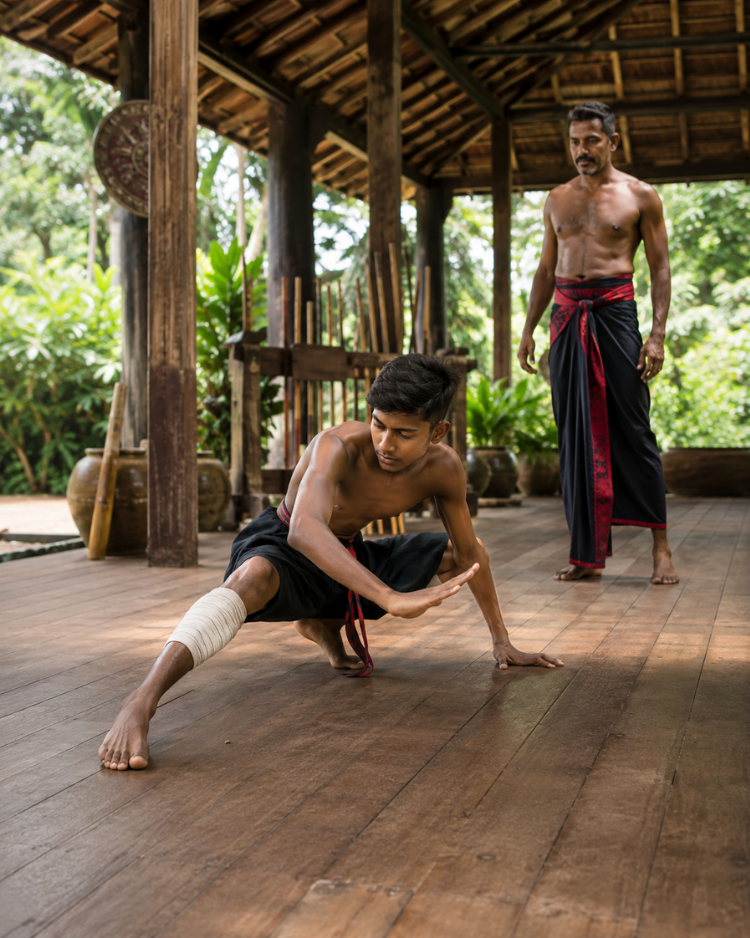
The Bottom Line
Angampora is one of Sri Lanka’s most well-rounded training systems in history. It strengthens, flexes, improves cardiovascular fitness, explosive power and mental discipline all in one, a combination not fully reproduced by any contemporary gym programme.
In general fitness terms, Angampora can definitely be a substitute for a regular gym. If you have a specific target, such as muscle size or powerlifting, then pair it up with the proper gym training. Either way, it’s far overdue for its presence in the mainstream Sri Lankan fitness culture.
This is your heritage of the past. Constructed by warriors who had to be physically fit to live. This has not changed.





Discussion about this post