



This post is also available in:
 English
  Tamil
Tamil
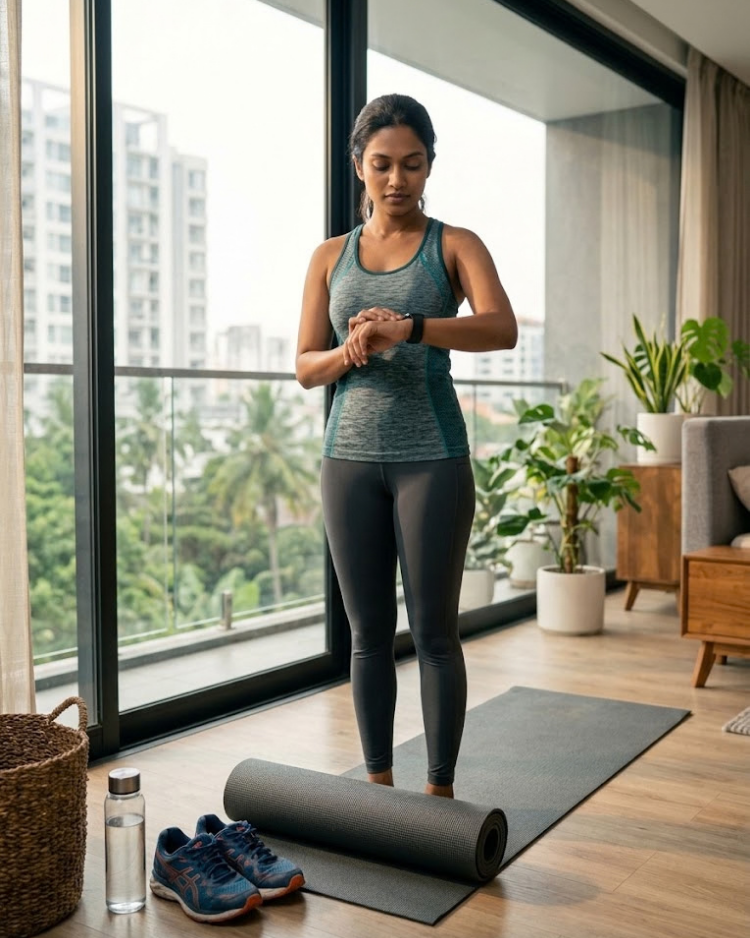
Most people in Colombo, Kandy, and Jaffna back then decided if they felt tired that they were doing a workout based on it , if they did not feel tired, then they were not exercising. If you were uncomfortable and sweating, you did well. Many people look at their wrist today. A mini watch can now be used to indicate to the body how well it has recovered and whether the day is a day for pushing or a day for resting.
The movement is driven by one number: Heart Rate Variability (HRV). In this blog, we’ll discuss what HRV is, how Garmin, Xiaomi, and Apple Watch users can leverage HRV, and how you can train smarter, avoid burnout.
What Is HRV?
Your heart doesn’t have a timepiece in it. If your heart rate is 60 beats per minute. The time between beats is not exactly 1 second. It could be 0.9 seconds, 1.1 seconds, or 1.0 seconds. This small difference between beats is an HRV measure.
This may seem strange, but a higher HRV is generally a positive indicator. It frequently indicates that your body is calm, rested and prepared for stress. If your HRV is low, your body may be tired, stressed, or lack sleep.
HRV is also very personal. A healthy person could get 80 and another healthy person could get 40. So do not compare your number with your friends. Compare it with normal.
Why It Matters in Urban Sri Lanka
City life imposes a great deal of stress on the body. We all know people who sit in heavy traffic, work excessively long hours, go to bed late and then get up for a difficult workout. The heat and humidity exacerbate the strain. Lack of sleep, late dinners and not drinking enough fluids can slow the healing process.
This can cause many people to fall into a rhythm. They train a lot every day, feel tired and get upset because they’re not improving. This is known as overtraining. It may result in poor sleep, low mood, non-healing sore muscles and injuries.
HRV provides an easy indicator. Before you begin, you don’t need to guess; you can check how you are doing.
How Wearables Measure HRV
The light sensor is used on the back of your smartwatch as it passes through the skin to read your pulse. Many devices are at their most accurate while you’re asleep due to the fact that your body is relaxed and still.
Some of the popular brands display the information like this:
- Garmin: Many of their products have an HRV status, whether it’s balanced or unbalanced, depending on your past several weeks.
- In the Health app on the Apple Watch: HRV is stored, and you can view trends over days and weeks.
- Xiaomi: Stress and recovery style scores are calculated based on the heart rate and sleep data for many models.
Numbers are different for each brand, as each has its own method. Choose one device and stick to it. The trend is more important than any one reading.
What Is Bio-Pacing?
Bio-pacing refers to planning your training around your body’s cues as opposed to your calendar. Rather than “If it’s Monday, I must run hard,” you get the question, “How is my body today?”
Here’s a way to utilize your watch information:
- Green day: HRV is normal or higher and you had a good night’s sleep. A good day for hard training, interval training, heavy lifting, or a long run.
- Yellow day: HRV is a little lower than normal. Look for a medium workout, such as a leisurely jog or a lighter run at the gym.
- Red day: HRV is much lower than normal, or your resting heart rate is higher than usual. Have an active recovery day.
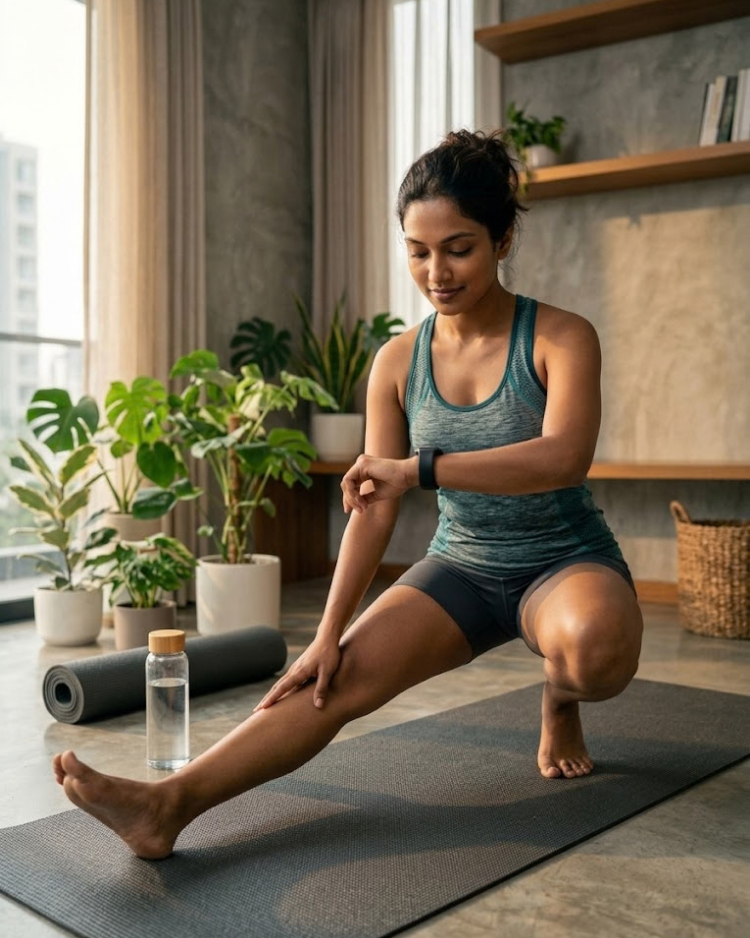
Active recovery is not resting. It means walking slowly, doing light yoga, or stretching lightly. This will allow blood to reach your muscles without causing additional strain.

Establish a baseline first
HRV can only be used effectively if there is a baseline. Wear a watch for 2-3 weeks every night. Avoid too many changes in behavior during this period. Then you will be presented with your normal range.
Next, watch a trend and not one bad night. Several factors can lead to one low reading, such as having a late dinner, a stressful day, or a hot room. Three to four days of a decline is a better indication that rest is needed.
A Simple Weekly Example:
A week in the making for a Colombo runner:
- Medium run if HRV is normal – Monday.
- Tuesday: Strength Training when HRV is good.
- Wednesday: Active recovery walk/yoga.
- Thursday: Hard interval session with balanced HRV.
- Friday: Easy swim/cycle.
- Saturday: Long run, IF HRV and sleep look good.
- Sunday: Full rest.
- If you have a low score on a tough day, then trade a hard day for a rest day. A good plan with your body bends.
What not to do:
Shooting for a point. HRV is not a game; it is a guide. Don’t worry!
Not paying attention to the body. If your watch indicates GO GREEN but you feel terrible, HEED it!
Compared with others. Your number is unique.
Forgetting the basics. The most important factors that influence HRV are sleep, water and good food. Take in adequate amounts of water when it’s hot, and strive for consistent sleep times.
Using the watch as a doctor. A watch won’t diagnose illness.
Final Thoughts
Wearables are not a panacea. But for urban Sri Lankans, they provide something that was difficult to obtain before: the ability to see how they’re doing. If combined with common sense, then you can work hard on the appropriate days, and rest on the appropriate days.
The intent is not to do more. It’s all about what is right for you today. First, wear your watch at night; get to know your normal, then let your recovery guide you. If you have frequent episodes of extreme tiredness, dizziness, or strange heartbeats, consult a doctor.















Discussion about this post