



This post is also available in:
 Tamil (தமிழ்)
  Sinhala (සිංහල)
Walking and running are among the most available exercises in terms of losing fat and improving fitness. They both will help you burn calories, enhance cardiovascular health, and aid your general well-being. However, when you are interested in losing fat, you may ask, which one is good, walking or running? This blog states why walking and running are different in losing fat simply and straightforwardly by expounding on the advantages, limitations, calories burned, and which one best suits you. It is written in a manner that is easy to follow, and approximately 1200 words are required to gain in-depth insight.
Learning about Fat Burning and Calorie Burning
To be able to compare walking and running, we should know how fat loss works. Fat loss occurs when you expend more calories than you take in that will produce a calorie deficit. Exercise can be used to maintain muscle and also to enhance metabolism, but it helps in burning calories.
Fat and carbohydrates (sugar) are the two primary sources of body fuel that are used in exercise. The form of fuel your body utilizes depends on the intensity of exercise. Walking is a higher percentage fat energy burner compared to running, which is a higher-intensity exercise that burns more total calories but less percentage of its energy. The only thing that is important to fat loss is, however, the amount of calories that are burned and not whether one uses fat or carbs in the process of burning calories.

Calorie Burn: Walking vs.Running
As compared to walking, running burns more calories per minute since it is more vigorous and consumes more energy. An example is that a speed of 9 km/h burns approximately twice as much as a speed of 7km/h.
If you weigh around 70 kg:
- A 1-hour walk at 5km/h expends approximately 317 kcal.
- Brisk walking for 1 hour at the speed of 7 km/h burns approximately 374 calories.
- A 30-minute run at 9 km/h is estimated to have destroyed 365 calories.
- A 30-minute run at 12km/h burns approximately 423 calories.
Therefore, running consumes a lot less time and burns a lot of calories. Running may be more effective, particularly if you are interested in creating a calorie deficit and losing fat more quickly.
Fat Burn: Not Calories Only
Although running consumes more calories on the whole, the percentage of fat used during an activity is higher in walking. The reason is that walking is an aerobic exercise, which is of medium intensity and places one in the aerobic zone, where the primary energy source is fat. Running, particularly high intensity, is a combination of carbohydrates and fat, but at higher levels of intensity, it burns more carbohydrates than fat.
Nonetheless, this difference in fat and carbs during exercise is not of the utmost significance as compared to total calories burned. Although the direct ratio of fat that is burned in running may be lower, it gives a greater total calorie burn, leading to overall fat loss.
Incline Walking: A Good Alternative
Curious new studies demonstrate that incline walking (walking up a hill or on a treadmill with a slope of 12 percent) may be more useful in burning fat than running at some pace. It maintains your heart rate in the fat-burning zone, but still burns more calories. This is the reason why incline walking has been made popular as a way of losing fat in fitness circles.

Walking for Fat Loss Benefits
Walking is an exercise with low intensity, hence it can be performed by most individuals, even beginners, the elderly, or those with joint issues. Some benefits include:
- Reduced exposure to injuries as opposed to running.
- They are longer-lasting and enable a greater total calorie burn.
- Being more accessible to daily routines like walking to work or running errands.
- Helps enhance the heart, mood, and vitality without a lot of effort.
- Appropriate for individuals who are beginning their fitness.
The implications of Running on Losing Fat
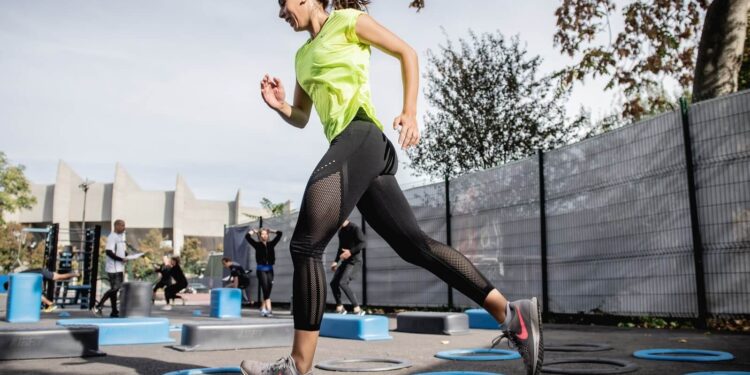
Exercise Running burns the endocrine system and is more challenging than walking. Its benefits include:
- Burns more fat faster, thus, fat loss.
- Improves VO2 max (cardiopulmonary fitness).
- Makes stronger bones and muscles as a result of impact.
- It can increase mood and decrease stress to a significant degree.
- Greater diversity and intensity using sprinting, intervals, or long runs.
Which Is Best for You?
The solution lies in your respective health status, fitness, and objectives and preferences. Walking is a good option when it comes to burning fat and maintaining fitness because it is an excellent workout method that is of low impact, even when one is new to exercise, experiences joint pain, or needs a fat-burning regimen. Running can give better results within a shorter period of time, me provided one is healthy, desires to lose weight fast, and loves high-intensity workouts. Running is time-efficient and, therefore, appealing to busy individuals. An intermediate position is incline walking, which is effective in fat burning and less stress on joints. Finally, exercise is all about what one enjoys and can be consistent with.
Tips to Maximize Fat Loss
- Use cardio together with strength training to strengthen and increase metabolism.
- Be regular and strive to attain no less than 150 minutes of moderate or 75 minutes of vigorous activity in a week.
- Be attentive to nutrition, in particular, a calorie deficit.
- Change the intensity and duration to speed up your progression and prevent plateaus.
- Be hydrated and have recovery to prevent injuries.

Final Thoughts
Walking as well as running are both effective in fat loss. Running burns more calories, hence it will help in building a calorie deficit at a faster pace. Walking uses a greater percentage of fat during physical activity and is not harmful to the joints, and is more comfortable for many people. Combining the two, incline walking is an exercise that aids in burning fat and is an exercise that is easy to manage.
Walking is a good start to begin with, especially for beginners or those who have health considerations and it can result in a continuous process of fat loss and a healthier individual. Running is more effective in case people want to lose fat quickly or develop their fitness, yet it requires more physical preparation.
An absolute middle ground between walking and running, depending on your lifestyle, preferences, and objectives, can present you with great outcomes in terms of fat loss and minimal chances of injury. Constancy, pleasure, and moderation are the secrets of success.



















Discussion about this post