


This post is also available in:
 Tamil (தமிழ்)
  Sinhala (සිංහල)
With the dynamic world of wellness, physical fitness goes beyond conventional exercises and takes a holistic approach that takes care of the body and mind. The combination of art therapy and physical fitness is one of the intersections that is becoming interesting. This integration acknowledges that creative expression, movement, or traditional art can play a significant role in improving physical health, emotional stability, and mental health. This blog discusses the contribution of movement as an art of expression and leisure to fitness as a holistic view of well-being.
What Is Art Therapy?
The traditional practice of art therapy has been to work with different forms of art media, like painting, drawing, sculpting, and crafting, as forms of therapy. Such creative practices are not only recreational or hobbies, but also help, as important as they are, to express emotions, relieve stress, and enhance mental health. Creativity allows one to tap into the most intense psychological activities, unlocking emotions that may be hard to put into words and facilitating relaxation.
Although traditional art therapy focuses on visual and physical media, its ideology can be applied to other creative forms by focusing on movement and dance that makes use of the body itself as a medium of expression. This expanded outlook gives importance to the way the stationary and moving forms of art can be helpful in healing, wellness, and self-awareness.

The ways Traditional Art Enhances Fitness and Well-being
Although painting or drawing is not as calorie-burning as a workout, they nonetheless play important roles in achieving fitness objectives in other implicit ways:
- Stress Reduction and Mental Health Balance: Making art can reduce the levels of cortisol, the hormone of stress that can raise the mood and decrease anxiety, which is critical to the success of fitness because stress may hamper motivation and recovery.
- Cognitive Engagement: The creative process of artistic activity requires problem solving and decision making, which are cognitive activities that stimulate the brain, which facilitates neuroplasticity and mental acuity, as well as emotional control.
- Improved Mindfulness: Art promotes living in the present, as in meditation, which improves body awareness and interrupts negative thought processes that result in bad habits.
- Active Rest: Leisure activities provide mental refreshment and rejuvenation to allow improved performance and effectiveness in physical training.
The use of traditional art as an adjunct to fitness increases the mind-body relationship needed in wellness sustainability.
Art Therapy: Movement and Physical Fitness: Creative Expression
Movement-based art therapy speaks to the body language in expressing, communicating, and healing. Compared to normal exercises where focus is on repetition or sporting objectives, creative movement focuses on discovery, improvisation, and emotional connection. The process will turn the exercise into a kind of live art, developing the physical potential and emotionalism of the body at the same time.
Some key forms include:
- Dance Therapy: Emotional release, a combination of rhythm, coordination, and creativity, is brought about by expressive movement.
- Tai Chi and Qigong: Combine slow and flowing movements with mindfulness and breathing, enhancing balance, flexibility, and mindfulness.
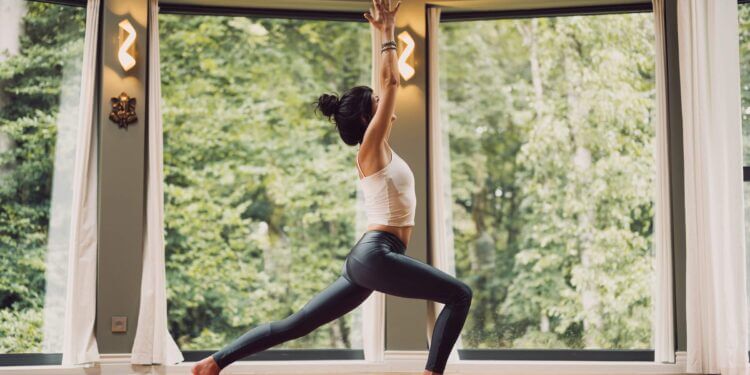
- Yoga as Moving Meditation: It is a combination of breath and postures with the intent to unite physical wellness with spiritual and creative consciousness.
Such integration will make people feel that fitness is an enjoyable, valuable self-expression instead of a robotic or punitive activity.
Prerogatives of Synchronous Art Therapy and Physical Fitness
- Deepens Mind-Body Awareness
Creative movement welcomes increased sensitivity of the body, position, and breathing. This conscious interaction enhances posture, functional movement, and injury prevention, which are the main fitness priorities.
- Enhances Emotional and Psychological Wellness.
Exercise combined with art works decreases anxiety and depression symptoms. It assists in the release of suppressed feelings, is relaxing, and makes a person stronger, boosting mental well-being and physical condition.
- Increases Motivation by being creative.
Creative play, which involves movement, promotes continuity because fitness is made to be fun. Motivation is highly created when exercises provide opportunities to express oneself personally and explore, creating long-term consistency.
- Improves Bodily functions.
Creative movement also specializes in patterns of nature, intuition, which enhance coordination, balance, flexibility, and strength, which are important features in athleticism and daily activity.
- Supports Holistic Wellness
This integrative model is a combination of physical, mental, and emotional health, which aligns with the current meaning of wellness that puts emphasis on the individual as a whole.

Ways to incorporate art therapy and fitness in practice
Strategies that can be used to incorporate creative expression can be adopted by fitness enthusiasts and trainers:
- Free Movement Exercises: At the beginning of sessions, perform open movement with the influence of music or emotions in order to develop spontaneity.
- Guided Movement Prompts: You can use such prompts as express joy or release tension to guide expressive movements.
- Include Breath and Visualization: Add breathing and imagery to enhance body and emotional linkage.
- Include Dances in Workouts: Add some element of dance in workouts- jazz, contemporary, or culturally based dances to increase cardiovascular fitness with artistic delight.
- Organizational Artistic Performance: During rest days, promote painting or sketching to eliminate stress and enhance clarity of the mind.
- Movement Journals: Record physical feelings and emotions following creative workouts to get to know the self better.
Research References in favor of Art Therapy in Fitness
The beneficial effect of this integrative approach is proven by research:
- Research indicates that dance therapy is effective in the reduction of depression and anxiety, enhanced cardiovascular health, and improved body image.
- Research on Tai Chi and Qigong shows that they can improve balance, flexibility, mental concentration, and decrease biomarkers of stress.
- Traditional art activity is associated with a reduction in cortisol levels, boosted cognitive performance, and mood regulation.
- Motor recovery in clinical populations supported by movement-based art therapy enhances neuroplasticity.
This scientific thesis is in favor of art and movement therapies as well as physical fitness as a whole health improvement tool.
Inspiring Examples: The Art and Fitness Integration in Action
- Community Dance Fitness: Urban fitness classes that include expressive dance empower students, who are able to build confidence, a sense of social belonging, and physical endurance at the same time.
- Rehabilitation Movement Therapy: Imaginative movement programs enable patients to be re-established and have motor control and emotional power following an injury or stroke.
- Yoga and Dance Fusion Classes: Achieving Success is the ability of yoga and dance studios to merge flowing yoga movements with improvisational dance, adding to the pleasure and physical rewards of those who are practicing the respective classes.

The Future of Fitness: The Embrace of Artistic Expression as 100 percent Wellness
With the current changes in the paradigms of fitness towards individualized, emotionally sustaining experiences, the incorporation of art therapy principles is ready to expand. The future fitness models can include:
- Extensive training focusing on the mental-physical-emotional complex.
- AR and VR platforms are generating interactive and immersive movement experiences that are creative.
- Fitness and wellness centers are hybrid and are a combination of physical training, dance, and art studios.
- Increased emphasis on mental health and physical performance with the help of creative sources.
This transformation is a significant change; fitness will not just give a better body, but also will motivate even better self-development with the help of creativity.
Conclusion
Physical fitness has a strong and complementary correlation with art therapy. Whether it is through the rhythmic movement of creative imagination or through the relaxing involvement of the more conventional art, creative expression enhances fitness by bringing about emotional balance, motivation, and harmony of mind and body. This whole-person fitness makes fitness a happy, sustainable process that sustains the entire body, mind, and soul of the person.
Fitness enthusiasts can discover previously uncharted planes of well-being, imagination, and resolve by appreciating art in every form and way, much beyond just physical power.











Discussion about this post