



This post is also available in:
 English
  Tamil
Tamil
A new workout regimen begins. The environment is great and everything is fine for a couple of weeks. You carry more weight, run faster and feel good about it. One day, all movements stop. The weights have the same weight. Your run time remains consistent. You think you might be doing something wrong.
It is referred to as a plateau and is experienced by all athletes. It’s the way in which they deal with it. There are plenty of athletes in Sri Lanka who have carved a successful career without any fancy gymnasiums or large budgets. They are a wonderful example to anyone who wants to be fit for a lifetime.
Discipline Beats Mood
The majority of individuals train during the time that they feel like it. Athletes train when it’s the plan.
Consider a national runner who gets up at 5 am. Now and again, she is weary. Some mornings it is raining. She is still dressed in her shoes. She understands that the desire to be motivated is present one day and gone the next, but a habit remains.
See how you can copy this:
- Select specific exercise days and note them down.
- Get your clothes ready the night before.
- Start the first step small. Say to yourself, “I’m going to warm up for five minutes.
- You’re on a good start; the rest will follow.
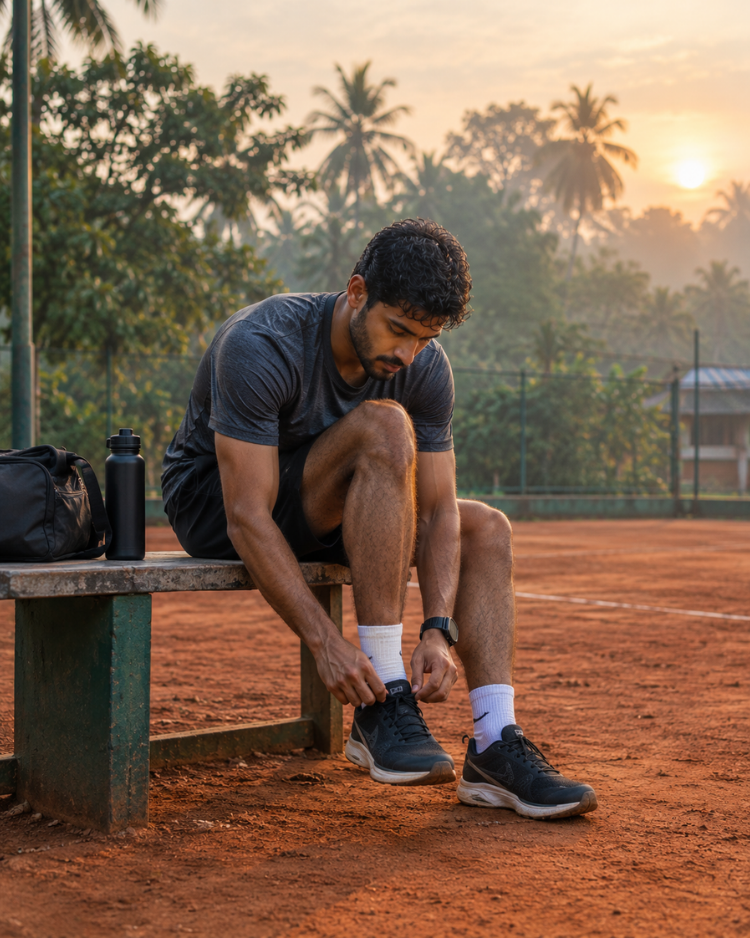
Heat and Humidity Training Aerobically Docked
Most of the year in Sri Lanka is hot and sticky. Energy is rapidly lost through the heat, and many novices give up by minute 10.
Local athletes know how to use the weather to their advantage, not against them:
- Train early or late. The mornings and evenings are cooler.
- Don’t wait until you are thirsty to drink. After long sessions,s add some salt or a bit of king coconut water.
- Wear light clothes. Cotton clothes and loose shirts keep you cool.
- Reduce speed during hot weather. A slower running pace is still a running pace.
Lack of energy in the tropics is normal. This is not an indication that you are unfit. It means that your body is having to work harder to maintain a cool temperature, so it’s important to allow time to acclimatise.
Making the Most of Simple Gyms
Not all towns have a contemporary gym. Many people in Sri Lanka began their journey in small rooms where they had some rusty benches, bent bars and antiquated plates. There were many strong people born there.
Where equipment is limited, what will they do?
- They learn the fundamentals. You get true strength from squats, presses, rows and deadlifts.
- They slow down everything. Slow and careful reps make light weights seem heavy.
- They make use of the resources at their disposal. Any backpack with sand, steps, tyres and body weight will do.
- They track progress. A small notepad would be sufficient. Write the date, the weight and the reps.
This lesson is just as clear: it’s not about fancy machines; it’s about results which are achieved through effort and smart planning.

Learn how to develop a strategy for breaking a plateau.
There is no end to a plateau. It’s a message that your body has adapted to and it’s looking for a new challenge. Attempt One by One:
- Change one thing. One more rep, a little more weight, or one more set. Or cut back on your sleep. Little changes are better than big ones.
- Check your sleep. Muscles grow and repair while you rest. No plan is going to work if you are sleeping 5 hours a night. Get 7-8 hours.
- Consume adequate protein and whole foods. Opt for dhal, eggs, fish, chicken, chickpeas and green gram. Don’t work hard and then restrict food intake.
- Have a lighter week. Reduce the amount of work by 50% every few weeks. Many athletes recover and are even stronger after a brief rest.
- Try a new style. If you are in the habit of lifting, gradually introduce a weekly walk or swim. If you work out only while you are running, include strength training. Variety is the spice of life.
The Mental Side of Training
If you ask any of the elite athletes what sets them apart, you’ll get a variety of answers that will all come down to one thing: the mind.
- They think long-term. Three weeks on a plateau is a very big deal. It’s nothing over the course of three years. Great athletes sprint off!
- They make self-comparisons. It’s really easy to get the impression that you are behind in a small country. Last month, the focus was on the athletes who focused on their own last.
- They believe in tough times. They’re not picky about the day. It is a session, even if it is a bad session.
- They burn with the use of pressure as fuel. Here, many athletes train without support, without money and without time. Rather than playing it safe, they play it smart.
An Easy-to-Use Mental Map
Please find below a short plan for you to follow:
- Set one clear goal. For instance, “Run 5 km continuously for 3 months.”
- Divide it up into manageable tasks. Run, walk, run. Run, walk, run.
- Track every session. It is important to have some form of progress to see and keep going on paper.
- Celebrate small wins. If it is a repetition, then it’s a win.
- Protect your routine. Schedule physical activity as if it’s an appointment that can’t be missed.
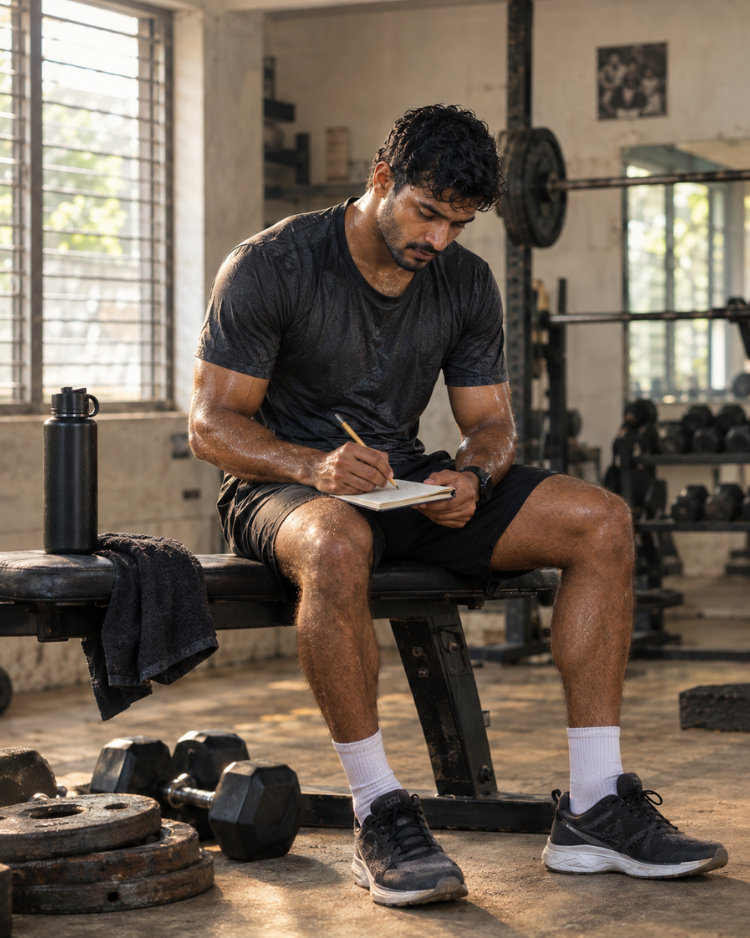
Lifelong Fitness Is a Marathon
Many believe fitness is a brief-term project, something such as “get fit for the wedding” or “drop some weight before the holidays. Real athletes consider it something that they do naturally, such as brushing their teeth.
There’s no need for a gold medal. The same patience, consistency and courage these athletes display daily are needed.
Final Thoughts
If you feel like you are not doing as well as you should on the plateau, you are not failing. They’re waypoints along the way. The local athletes demonstrate that slow progress coupled with heat and small gyms does not slow down strong people. They shape them, but only a little.
If you find yourself stuck, then do not give up. Make a change, get plenty of rest, eat right and keep showing up. The most important medal is the one you are awarded for never giving up on yourself.
First, consult a doctor or a trained coach before beginning any new training program, particularly if there is a health concern.













Discussion about this post