


This post is also available in:
 English
 Sinhala
There are many people who claim that they don’t have enough time to go to the gym. With a full strength session, if you do each set with a long rest, it can last more than an hour. There is a clever trick to reduce its length without sacrificing effectiveness, though.
It is sometimes referred to as antagonist paired sets or APS. In this blog, let’s discuss what they are, why they work, and how to create a simple session.
What is an Antagonist Paired Set?
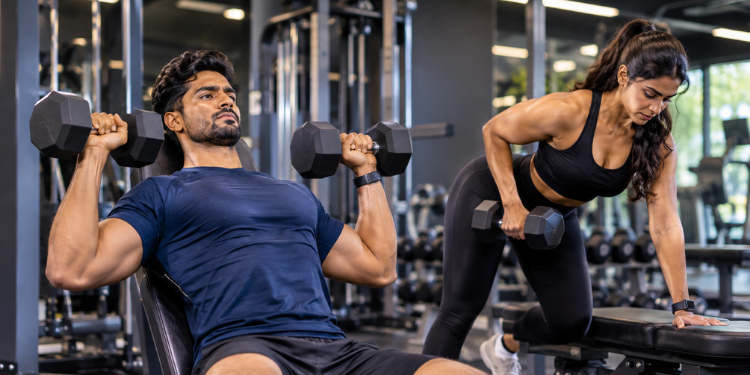
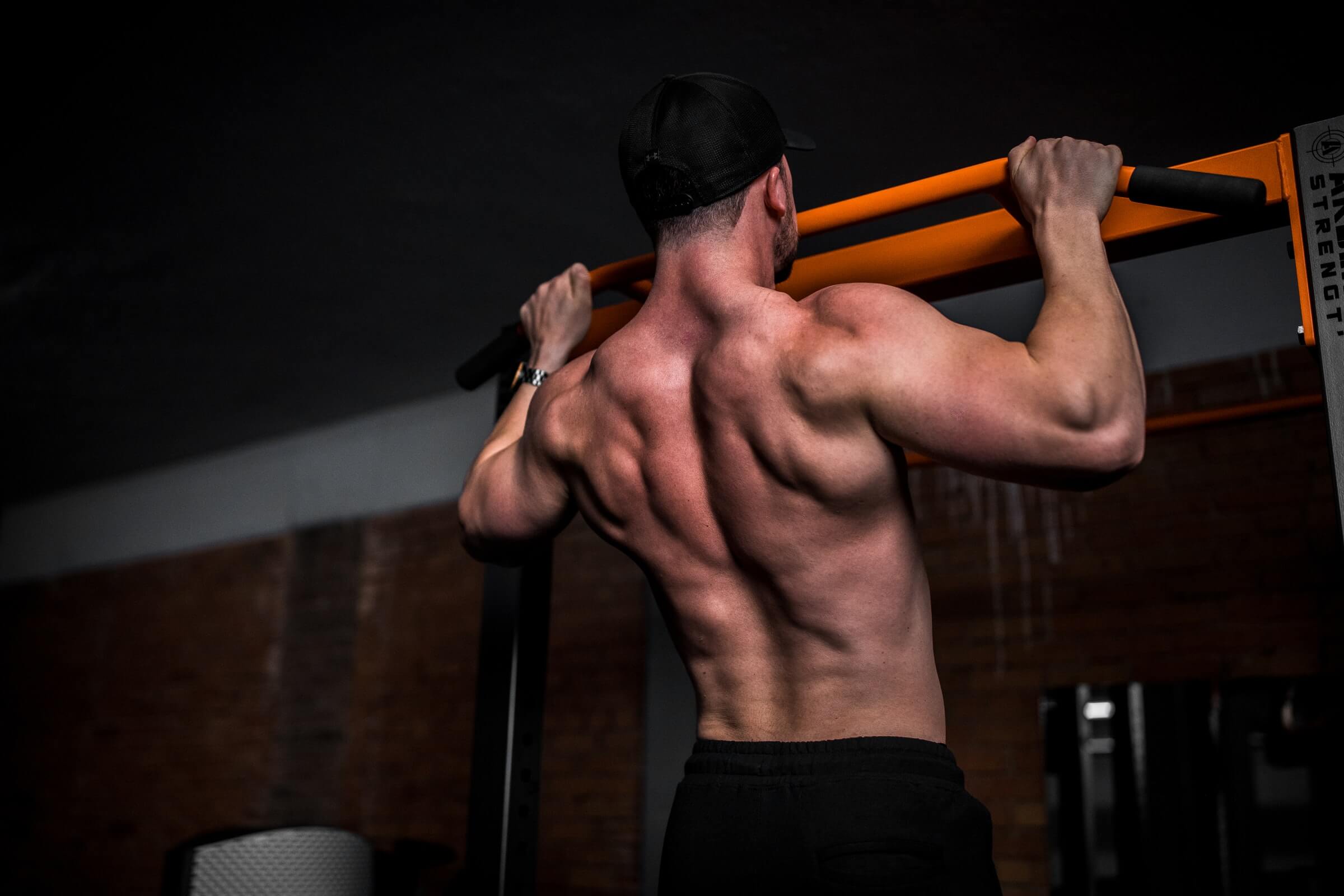
Muscles that work against each other are called antagonist muscles. As one muscle contracts, the other relaxes. An example of this is your upper back and your chest. Your chest presses and your back pulls.
An antagonist paired set is when one exercise is performed for one muscle group, with brief rest, followed by an exercise on the other muscle group. Then repeat the process of resting, after which you repeat again.
For example:
- Chest press
- Short rest
- Chest-supported row
- Short rest
- Repeat
What is the difference between a superset and this?
One of the most common superset combinations is to perform two exercises consecutively without rest. Many supersets involve working muscles that are similar to each other, such as bench pressing followed by doing push-ups. This is the same muscle twice, so the strength on the 2nd exercise is reduced.
APS works differently. Your back is active while your chest rests. When one muscle is working, the other is resting. So you can maintain your strength and still save time.
Why It Saves Time
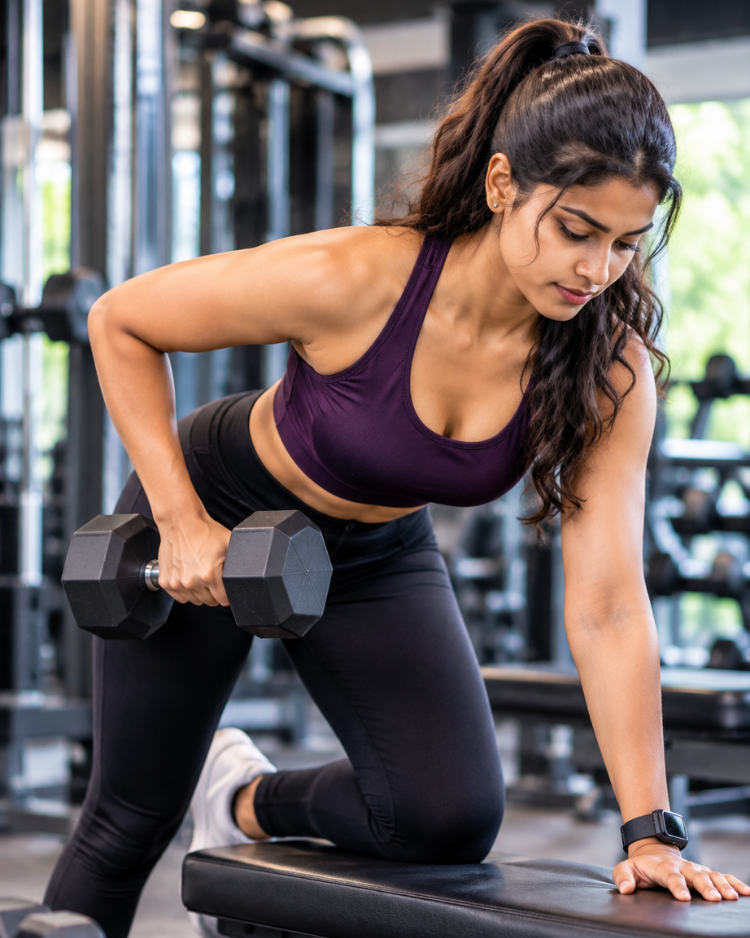
During a regular workout, you perform a set and then rest for 2-3 minutes. The majority of that rest time is spent doing nothing.
Using APS, you complete this rest time with an additional exercise. Two exercises can be done in a much shorter time than one. Research on pairs of sets has indicated that individuals are able to perform the same type of work at a faster rate, and sometimes with a similar amount of strength.
Does it maintain a high strength?
Results from research on pairing of antagonists are good. Some research found that lifters maintained and even enhanced their performance on some exercises. There are variations in results among people and in different studies, so don’t consider APS to be a magic bullet.
There is still a short rest period needed between the two exercises, typically 30-60 seconds. This will help you maintain your power and shape.
How to improve joint stability?
APS is said to enhance “reciprocal innervation. This is just a coordinated relaxation of the opposing muscle when one is actively working. Pairing the same muscles together for training can facilitate smooth and balanced movement in your body.
Well-rounded exercises for the front and back of the body can also help maintain proper posture and healthy joints. This is a good benefit, but not a substitute for technique and warm-up.
Good Pairs to Try
- Chest and upper back: Chest press with chest-supported row
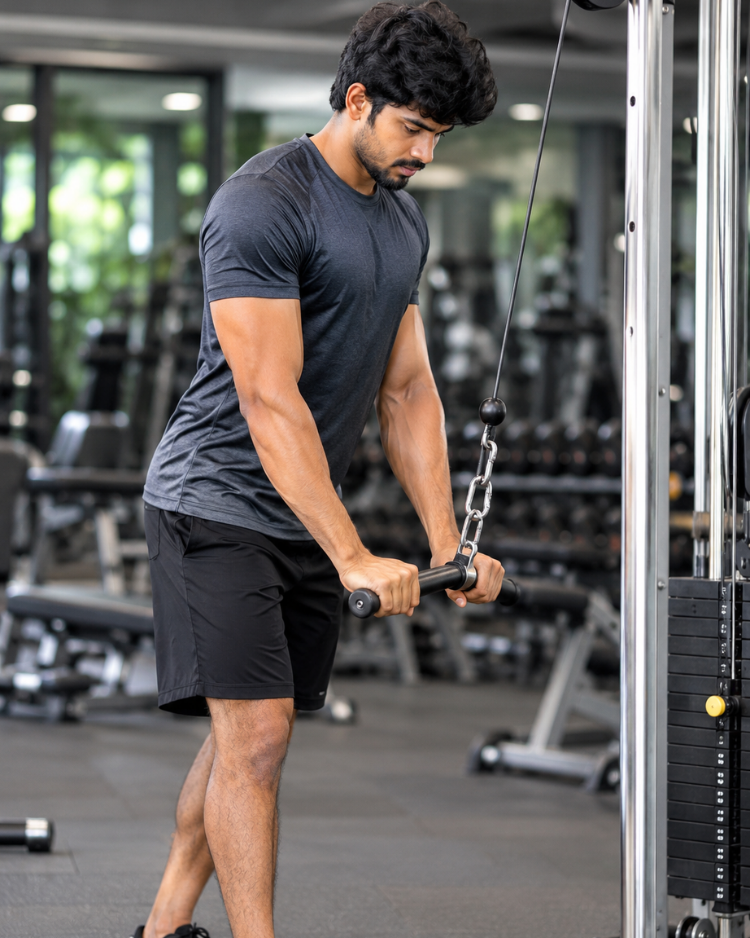
- Dumbbell curl with triceps pushdown for biceps and triceps.Biceps and triceps: Dumbbell curl with triceps pushdown.
- Quads: Leg extension with leg curl (hamstrings: e.g., extension with leg curl)
- Front shoulders: Shoulder press with a face pull at the front shoulders
- Plank with back extension – abs and lower back.Abs and lower back – plank with back extension.
Who Should Use APS?
APS suits the busy, the novice with a simple plan, or the person waiting between sets and getting bored.
It might not be best for an individual who is looking for one big lift, such as performing a maximum squat or bench press. For those goals, longer rests may help you get the heaviest weight possible.
A Sample 45-Minute Session
For now, let’s try this after a warm-up of 5 minutes:
- Pair A (3 rounds): Chest press (8-10 reps), rest 45 seconds, chest-supported row (8-10 reps), rest 60 seconds.
- Pair B (3 rounds): Leg extension (10-12 reps), rest 30 seconds, then leg curl (10-12 reps), rest 60 seconds)
- Pair C (2-3 rounds): With your shoulders pressed, do 8-10 reps and rest for 30 seconds. Then do face pulls for 12-15 reps and rest for 45 seconds.
- Pair D (2 rounds): Dumbbell curl, followed by a triceps pushdown, with 30 seconds between each exercise.
Choose a weight that is challenging in the last two reps, but is still done in good form.
How to move forward over the course of time:
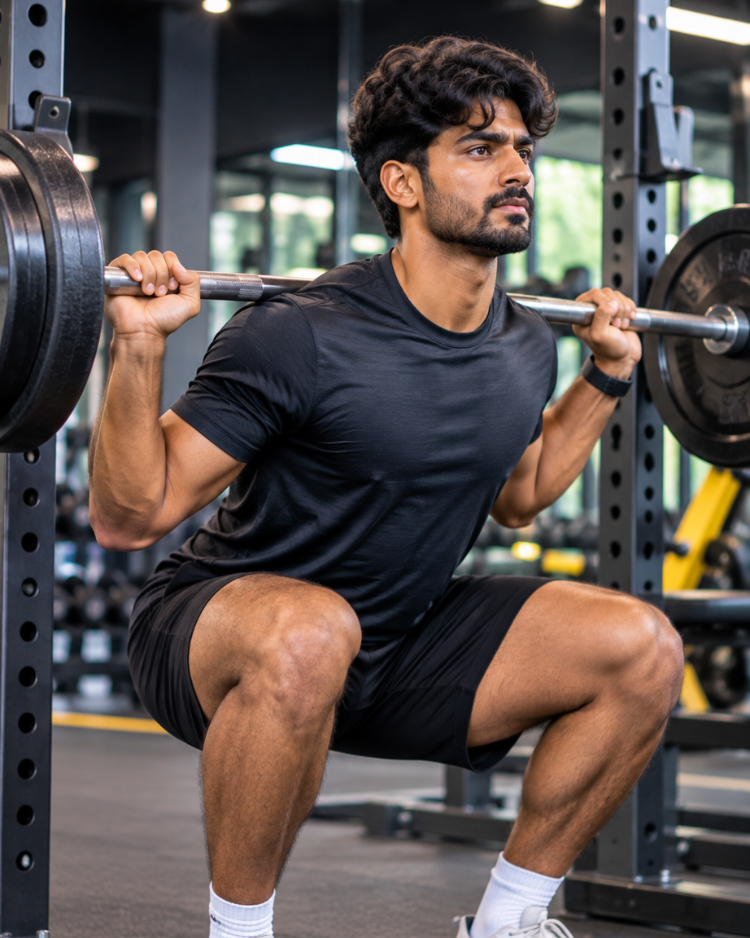
Building muscle requires progress, so don’t just lift the same weight for a long time. To avoid this problem, follow this simple guideline. If you are able to complete both sets with proper form each session for two consecutive sessions, increase the weight slightly or increase the number of reps per set.
As you become fitter,you can make rests a little shorter. Simply keep your form neat. The more the reps break down, the more rest you should take.
Have a less intense week every 4-6 weeks. Reduce the weights or number of rounds. This allows the body to rest and strengthen itself.
Tips for Success
- Design a gym facility. Design a gym venue. Choose two exercises that feature stations that are near one another. This will save walking time.
- Use a timer. Short rests are easy to stretch. There’s a timer to keep you honest.
- Start light. The format is a little unique initially.
- Keep good form. Try not to rush reps, as that will not save time.
- Track your weights. The key to progress is to progressively increase weight over time.
Common Mistakes
- Cross-combination of muscles. This again results in the fatigue issue.
- Resting too little. If you don’t get enough recovery, your strength will diminish.
- Exercising too hard, too fast. Develop over several weeks.
- Skipping the warm-up. Cold muscles are at higher risk for injury.
Final Thoughts
Antagonist paired sets are an easy method to accomplish more in less time. You balance opposing muscles to maintain strength, save minutes and develop balance. This week, try using one pair, and increase the number of pairs you use as you become more comfortable.
If you are a beginner at lifting or have an injury, consult with a certified trainer before beginning.












Discussion about this post