
This post is also available in:
 English
 Sinhala
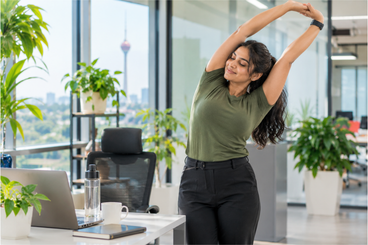
Many people who work in Sri Lanka sit for more than 8 hours a day. Many professionals in Sri Lanka spend eight or more hours a day sitting. On the bus, at the desk, in meetings and at home. The back is stiff at the end of the day and legs are tired and heavy.
One hour of exercise a day would be beneficial, but this isn’t always possible. Fortunately, you don’t necessarily have to devote an hour. Little movements throughout the day can have a big impact. The concept is known as “exercise snacking.
What is Exercise Snacking?
Snacking refers to brief, typically 1-5 minute, exercise periods that are carried out several times throughout the day. An exercise snack is a smaller version of a full workout, just as a snack is a smaller portion of a meal.
No need to run around to break a sweat or change clothes. The only requirements are minimal space and a few minutes.
Is sitting a problem? Why?
The muscles are not very active when you sit for long periods. Your body consumes less glucose, your blood slows down and your joints remain in the same position. Long sitting has been associated with an increased risk of heart disease, type 2 diabetes and back pain over time.
Interestingly, studies indicate that a daily exercise regimen is not sufficient to completely offset the damage caused by sitting all day long. Changes of location throughout the day are important.
How Short Bursts Can Help
Glucose control. Your muscles are like a blood sugar sponge. Glucose is absorbed by the muscles with a little activity after a meal; even minutes of activity can be helpful. Research has indicated that brief walks or simple leg movements following a meal can help to reduce blood sugar spikes.
Joint comfort. Joint movements help to distribute the fluid within the joints. This may help to decrease stiffness when sitting.
Heart health. Short bursts that get the heart rate a little higher can add up over time. Several research studies reported that short, intense bouts of stair-stepping training enhanced fitness in non-exercisers.
Mood and focus. Taking a quick movement break can clear the fog from your mind and help brighten your mood.
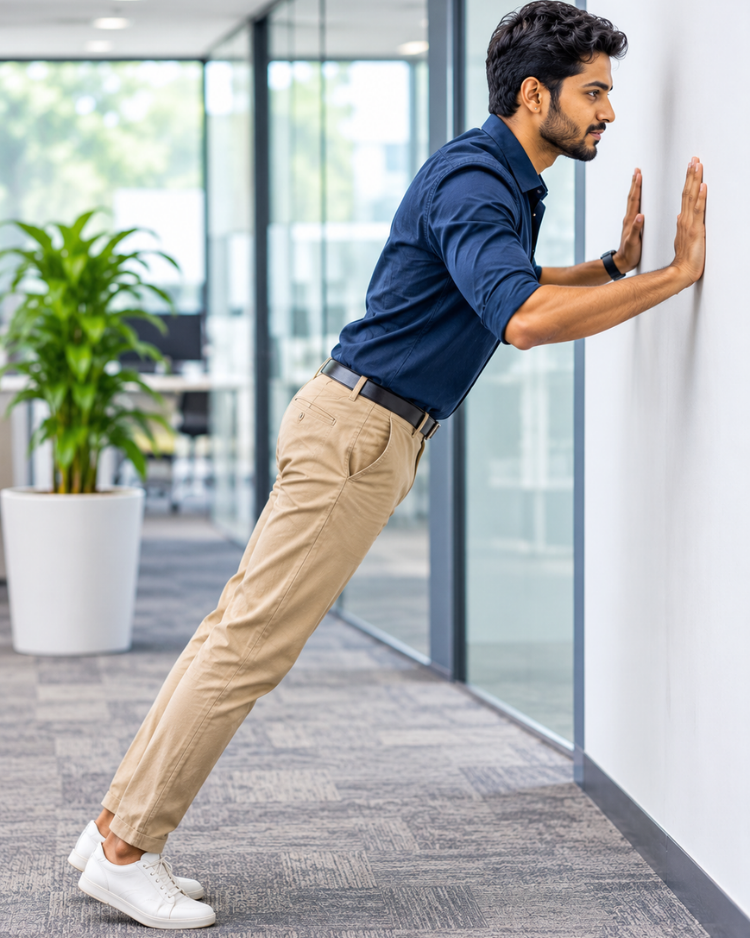
These are some easy-to-do exercise snacks to try:
These can be performed in the office, at your desk, or at home.
- Air squats: Feet should be close together and shoulder-width apart. Squat back and straighten your knees to get up to your feet. Do 10 to 15.
- Wall push-ups: Stand an arm’s length away from a wall. Rest your hands on it and drop your chest towards it. Do 10 to 15.
- Calf raises: Stand on your toes and then step back down. Do 15 to 20.
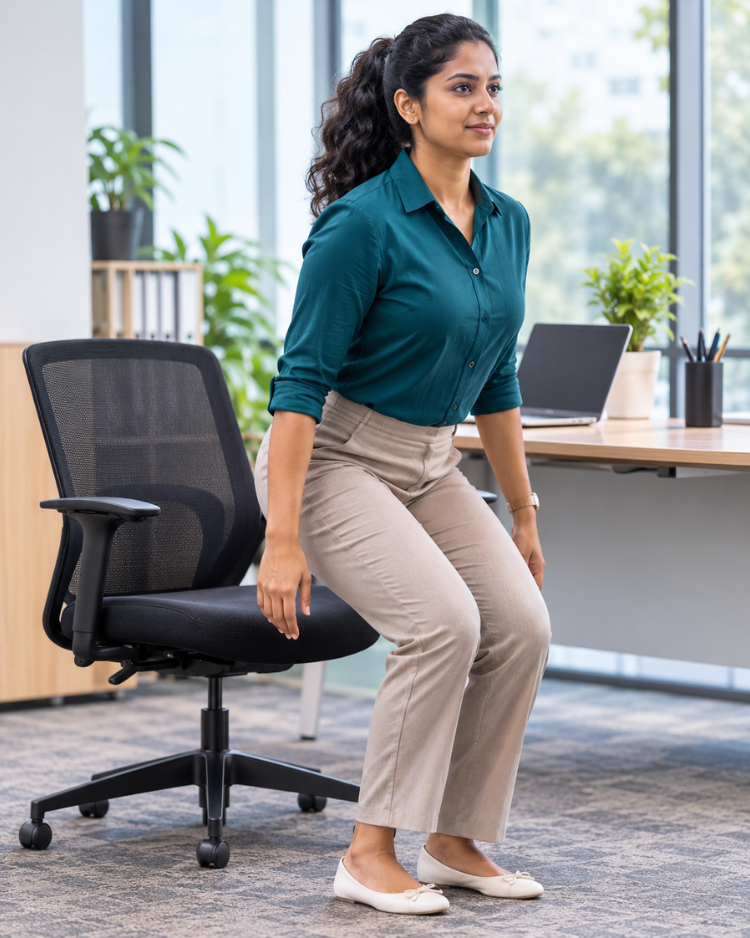
- Sit to stand: Get up from and down to the chair without using your hands. Do 8 to 12.
- On-the-spot marching: Lift knees for 1 minute.
- Slow rolls of the shoulders back for 30 seconds and slowly stretch the neck.
- Stair climbing: Use the stairs (not the lift) 1 or 2 floors up or down.
A Sample Workday Plan
Here is one method for getting snacks into the day:
- 10:30 a.m. – 11:00 a.m.: 10 chair stands and shoulder stretch
- 2 p.m.: 2 minutes of marching and 20 calf raises
- Following lunch: 5 minutes walk or 10 air squats and wall push-ups
- 3 p.m.: 1 or 2 flights of stairs
- 5 p.m. (before leaving): 10 air squats and a standing stretch
- Cumulative about 15-20 mins of activity throughout the day. That’s a good one to begin with and a lot of people can do it.
Best Times to Snack
Snacks can be more useful when they’re at the right time. Try these moments:
- Move after meals: 2-5 minutes after eating. This is the time when your blood sugar level is the highest.
- Following long meetings: Get up, stretch, and go to a window or the corridor.
- If you’re feeling low on energy: A quick 20-minute swim is preferable to another cup of tea.
- Before leaving home: a couple of squats can help you come out of the day with a looser body.
Simple steps to make it a habit
It’s easy to forget new habits! These are some of the suggestions:
- Use reminders. Use a smartwatch nudge or set a phone alarm once an hour.
- Attach it to a current routine. Do 10 squats each time you refill your water bottle.
- Start tiny. One snack per day is a good start.
Desk Setup Tips
There are a couple of small tweaks that can help minimize the downside of being sedentary:
- Make sure your screen is at eye level to avoid straining your neck.
- Do not allow your feet to go off the floor, or you may fall.
- Take regular breaks to get up and move around (every 30-60 minutes).
- If you can, have a standing desk or a high table for several hours during the day.
What About Zone Zero?
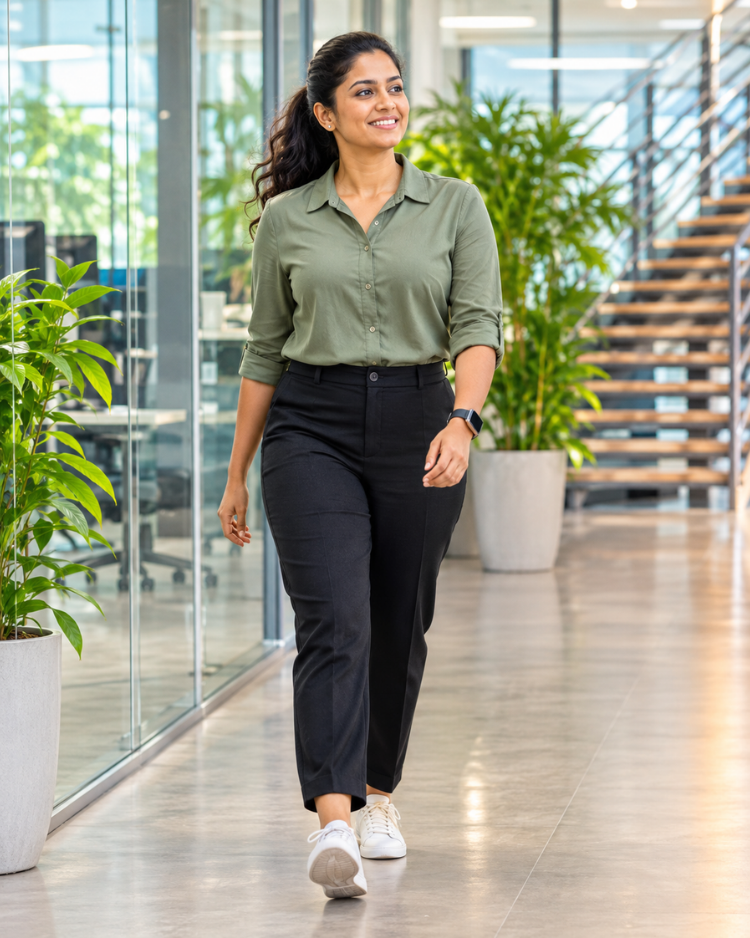
The term “Zone Zero” is used by some to refer to extremely low-intensity activities, which are less than normal exercise, such as standing, strolling and doing chores. It is conducive to the idea. You need not to do anything much as long as little by little makes a big difference.
Common Mistakes
Beginning too early and working too hard. Do it slowly, particularly if you haven’t worked out for a long time.
Not exercising due to the belief it is too little. Small things do add up!
Poor form. Walk with control and keep your back straight.
Thinking it’s an alternative to any exercise plan. Snacks are a fantastic foundation, but longer workouts still offer additional benefits, such as more muscle and bone strength.
Final Thoughts
Don’t need a gym or one hour to get active; it can happen in a lot of ways. Some brief bursts in the course of the day may be enough to enhance your well-being and help maintain your long-term health. Pick 2 or 3 of these exercise snacks and apply them to tomorrow!
Please check with your doctor first before starting a program if you have heart disease, joint pain, dizziness, or any other health problem.










Discussion about this post