

This post is also available in:
 English
  Sinhala
When you are the type of person who would feel guilty about skipping a workout in the gym, it is time to change that attitude. Finally, in 2026, the fitness world has reached the point that science has been preaching to us over the years: recovery is not laziness, it is an important component of getting stronger, faster, and healthier.
Just imagine your body as a smartphone. It will not have 24 hours of running time without charging. Your body works the same way. Each exercise leaves minor rips in your muscles and drains you of your energy levels. It is the post-workout that can actually occur, your muscles are healing, your nervous system is re-tuning, and your body is stronger than ever before.
Why Rest Days Deserve a Spot in Your Calendar
This is one of the facts that most people do not know: you do not get fit in the process of working out. It is in the rest period that you get fitter. When you have to pull the weights or run, you are basically putting a strain on your body. It is the healing that follows that makes you tougher.
You are constructing a house on very weak foundations without due care. It is possible to make progress during a few weeks, but at some point, you will reach a wall. Constant fatigue, decrease in performance, irritability, sleeping problems, and even increased sickness can be the result of overtraining due to immunosuppression.
The good news? It is easy to schedule rest days. When you exercise 4-5 days a week, you need at least 1-2 full rest days. You may require more in case you are undertaking serious training. Pay attention to your body. In case you are dragging yourself to the gym and your body is falling in results, then your body is telling you to take a rest after that.
Contrast Therapy: Hot and Cold Secret of Faster Recovery
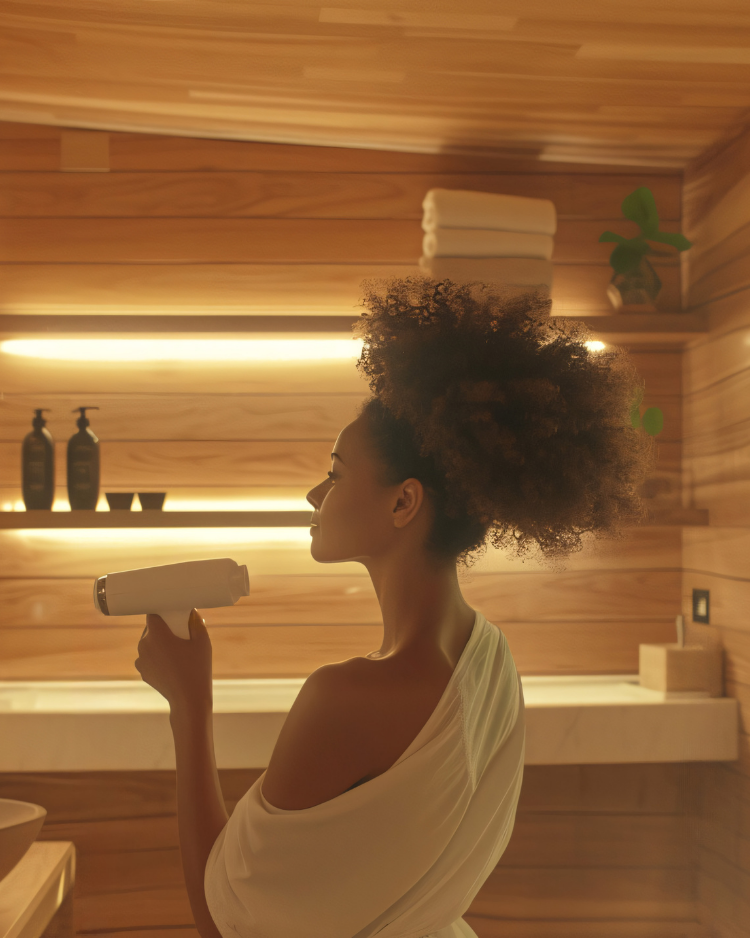
Probably, you have watched the athletes who were jumping between ice baths and saunas, and there is logic behind it. Alternating hot and cold in contrast therapy has emerged as one of the most popular recovery tools of 2026, and the reason is justified.
It works like this: when you are exposed to cold conditions, your blood vessels reduce their size, which decreases inflammation in your body and removes waste products in your muscles. Heat does the opposite; it dilates your blood vessels, carrying with it fresh blood, oxygen, and nutrients into weary muscles. Alternating between the two causes a pumping effect that accelerates recovery.
Contrast therapy does not require any fancy equipment. Easy exercises to perform at home are as follows:
- Start with heat for 3-4 minutes. These might be a hot shower, a warm bath, or even a sauna, provided the latter is available. Then change to cold for 1-2 minutes. This may be an ice bath or a cold shower. This cycle should be repeated 3-4 times, and its final step should be cold.
- When you are a beginner, take it slow. You do not have to go scalding hot and ice cold. Even warm to cold water may be beneficial. You can make this difference in temperature gradually, then your body gets used to it.
Contrast therapy is most effective when it is administered a few hours after vigorous exercise. It is very useful to many people after leg days or especially difficult training sessions. It has been proven by some studies to be able to decrease muscle soreness by 25 percent and make you feel like working out again sooner.
One word of caution: contrast therapy should not be tried without consulting a doctor when you have heart problems, high blood pressure, or are pregnant. The sudden fluctuations in temperatures may be stressful to your cardiovascular system.

The best sleep optimization tool ever made
Sleep would be the foundation of the building of recovery, had there been any. You can be doing everything else correctly: eat like a champion, have rest days, use every recovery tool; however, without getting good sleep, you are still leaving gains on the table.
When you are in a deep sleep, your body also secretes growth hormone, and this is necessary for muscle repair and growth. Hormones of hunger, stress, and inflammation are also regulated by sleep. Sleep deprivation causes your level of cortisol (stress hormone) to increase and testosterone to decrease, which is damaging your fitness.
Research indicates that athletes under the condition of less than 7 hours of sleep per night are at risk of being injured 1.7 times higher than those who get 8 hours or more sleep. Lack of sleep also impacts your performance, your reaction, and your strength to lower endurance.
But how many hours of sleep do you require? The majority of adults require 7-9hours, though when training intensely, one may require as much as 9 hours. The following is how to get the best rest by sleeping:
- Create a sleep schedule. Always go to bed and always wake up at the same time, including on weekends. Your body loves consistency.
- Make your bedroom a sleep sanctuary. To sleep in the dark and at a cool temperature (65-68 degrees Fahrenheit is good). Consider blackout curtains and a white noise machine.
- Limit screens before bed. The brightness of phones, tablets, and TVs at night deceives your body into believing that it is time to go to sleep. At least one hour before going to bed, or blue light blocking glasses, screen time should be reduced.
- Watch your caffeine timing. Caffeine remains in the body approximately 5-6 hours; that is, half of the caffeine is in your body a few hours after consumption. You can also consider not having caffeine late afternoon in case you are having problems sleeping.
- Consider your time so that you can have an evening workout. Even though exercise tends to improve the quality of sleep, other individuals sleep better when they exercise long before bedtime. Also, whenever feasible, engage in intense physical activities at least once in two or three hours before sleep.
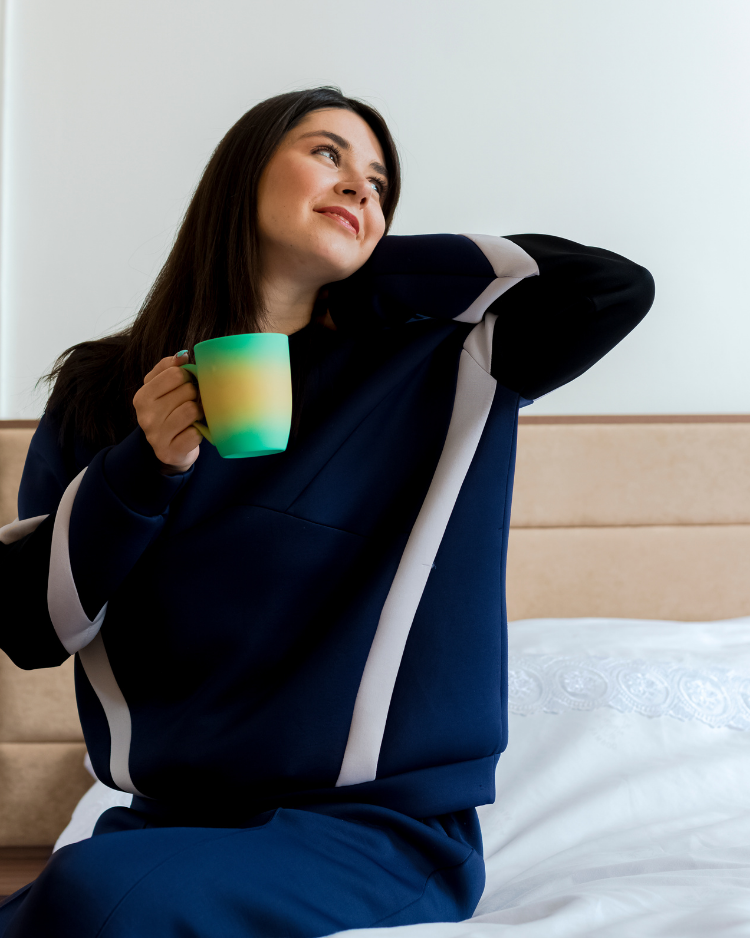
- Wind down properly. Be able to have a pre-sleep routine that is relaxing. This may be reading, slight stretching, meditation, or a warm bath. The trick is to inform your body that it is time to go to sleep mode.
Bringing It All Together
There is no luxury in recovery; recovery is a necessity. The most intelligent person exercising in 2026 realizes that rest and recovery methods, such as contrast therapy and good sleep, are equally important as the exercises.
Recovery is an investment in future workouts. All the rest days you have, all the contrast therapy you have, and all the good nights of sleep you have are preconditioning you to do better next time you go to the gym.
Start small. Identify a single area to work on this week. Perhaps it is putting in a designated day of rest, having an easy hot-cold shower routine, or having a promise to sleep earlier. When these habits are made natural, add another.
You will feel better, healthier, stronger, and less sore from doing exercises that are more vigorous than listless. That is the strength of making recovery a self-care that it is.







Discussion about this post