



This post is also available in:
 English
  Sinhala
Why Your Workout Should Change Based on Last Night’s Sleep
The majority of the population has a workout routine which they do every week- Monday: Chest day, Wednesday: LEGS, Friday: Back. It does not matter if they had a horrid sleep, a bad day in the working place, or had a family crisis. They just push through.
And that is the very reason why so many hit the wall. They stop seeing progress. They get injured. They feel burnt out.
There is an improved way, and it is known as HRV training.
What Is HRV?
HRV is an acronym that means Heart Rate Variability. It sounds like a complex process, but it is not hard.
The heart does not beat like some clockwork-tick-tick-tick. There is a slight difference between every beat. That difference is greater when a person is refreshed and restored. In the case of being stressed, overtrained, or ill, that variation decreases.
HRV can be considered as the daily report card given by the body. High HRV = “Ready to train hard.” Low HRV = “Need a break.”

Why Sleep Matters So Much
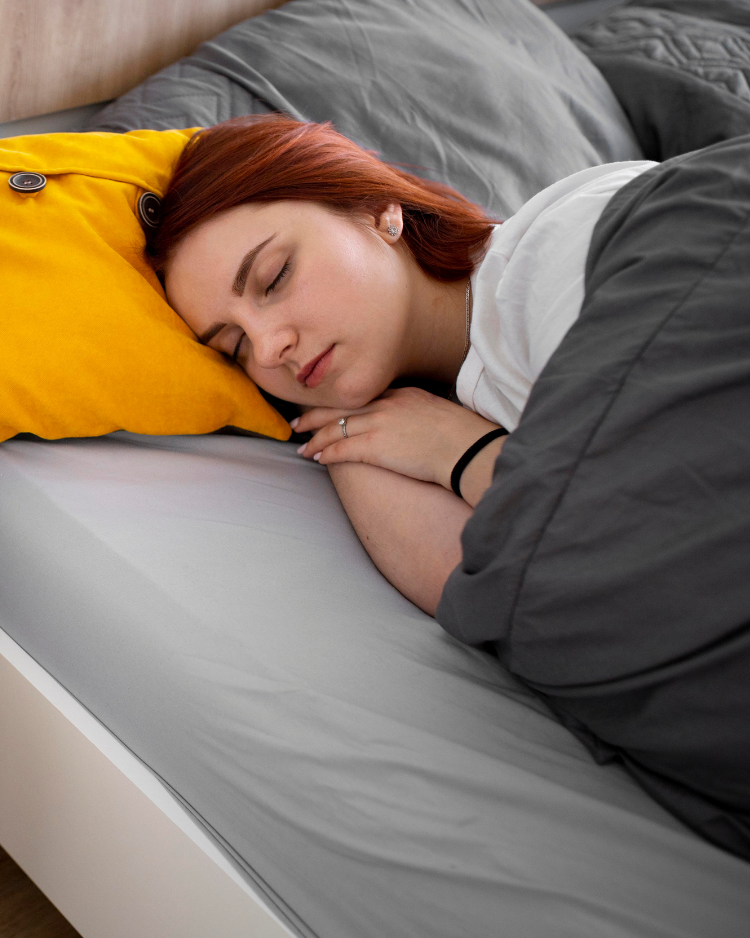
This is what the majority of people do not know: muscle gains do not occur at the gym. They happen during sleep.
Whenever someone picks up weights, he/she is in fact destroying his/her muscles. It is when the body is in the deep sleep that it is able to repair that damage and construct them stronger. In case a person slept 4-5 hours as they were late watching cricket or scrolling on Instagram, their body did not have the time to rest.
The thing is that here they may or may not feel bad the next morning. Their muscles don’t hurt. Their tea and breakfast were taken. They believe I can train today, that is all.
That’s where HRV comes in. It shows what emotions are unable to express. Although one may believe that he or she is okay, a low HRV indicates that they are still in the process of recovering after a bad sleep, stress, or any other workout they had performed the day before.
When they do not pay attention and train hard anyway, they do not build muscle; they tear their body even further.
The Science of Sleep and Recovery
When one is asleep, there are a number of important recovery processes that occur:
Deep Sleep (Stage 3-4): Stage where growth hormone is released. This is a hormone necessary to repair muscles and to burn fat. The body will not be able to successfully repair damaged muscle tissue without sufficient deep sleep.
REM Sleep: This is the stage that assists in mental restoration, stress control, and balance of the nervous system. Low REM sleep has a direct effect on the HRV reading the following day.
Cortisol Regulation: Sleep maintains a balance in cortisol (stress hormone). Poor sleep increases cortisol, which disrupts muscle development and maintains HRV low.
When one works hard with poor sleep, they are putting an extra burden on an already burdened system. The result? Several performance drops, high rates of injury and no improvements with all the efforts.
How to Use HRV in Real Life
HRV does not need expensive equipment. Here’s what works:
1.Get a Device That Tracks HRV
- Oura Ring (costly and superior)
- WHOOP band (popular among serious athletes)
- Apple Watch (in case of possession, it measures the HRV)
- Chest strap monitors (lowest priced- comes with an app, would be cheaper than a month in the gym)
2.Measure First Thing in the Morning
- Before checking the phone
- Before coffee or tea
- While still lying in bed
- Takes about 2 minutes
3.Use the Traffic Light System
🟢 Green (High HRV): Train hard. It is the day of heavy lifts, sprints, or conditioning. The body had a good sleep and a rebound; it is able to handle the pressure.
🟡 Yellow (Medium HRV): Train medium. Complete the workout, although you can consider reducing the weight by 10% or omitting the additional set or replacing the sprints with steady cardio. The body is okay, but not at 100%.
🔴 Red (Low HRV): Recovery day. Zone 2 cardio (easy walk or cycle), mobility work, stretching, or simply rest. It is not laziness; this is intelligent training. Sleep or stress is one of the reasons why the body requires time.
Real-World Application
Take a situation as an example: Monday, an individual works his legs hard. On Wednesday, their muscles are revitalized and they are ready to go. However, they got up after 5 hours of sleep on Tuesday night, due to work deadlines.
In the absence of HRV tracking, they would most likely train intensely on Wednesday since their legs are okay. However, they would have a low HRV, indicating that their nervous system is still strained because they were not getting good sleep.
Provided that they train hard, they may:
- Reduce weight lifting (baffled as to why they feel weak)
- Become at risk due to a lack of coordination and focus.
- Boil themselves into an overtraining hole.
- Feeling fatigued for the remainder of the day.
Having HRV tracking, they would watch the red light and make corrections, perhaps go on a light 30-minute walk instead, or get some mobility work done. Thursday, they are better rested and HRV returns to normal and they can train again.

Common Questions
“What if HRV is always low?” It is an indicator of stress that is long term, lack of sleep, or overtraining. Solutions include:
- Sleeping 7-8 hours is the priority (it is necessary, even during a hectic routine and traffic).
- Consumption of sufficient calories (vicious dieting and heavy training HRV tanks)
- Decreasing the amount of workout temporarily.
- Reducing stress by meditating, walking, or spending time with family.
“Can one continue to train with HRV red?” Yes, but keep it light. A 20-minute stroll in the neighbourhood, some stretching or mobility exercise. The body needs to move, but it will be overloaded when it is unprepared.
“Is it necessary to check HRV daily?” Ideally, yes. However, in case that is too many, 3-4 times a week are also valuable in giving information on the impact of sleep and recovery on training capacity.
“What’s a good HRV number?” This varies by person. It is the trend that should be followed. When an individual is in the normal range of 50-70, and his normal range suddenly goes down to 35, it is a red flag, though 35 is normal to a different person.
The Bottom Line
The human body is smarter than a fitness plan. HRV training informs individuals to listen to it.
Don’t continue the exercises when the body requires rest. And quit feeling guilty about taking recovery days. Become an athlete, not just motivated but trained.
Slept well, and HRV is high? Train hard. Slept poorly and HRV is low? Train smart or no train whatsoever.
That is what makes the difference between those who continue to move forward year after year and those who burn out after three months. Sleep isn’t just about feeling rested; it’s the foundation of every successful training program.
Track HRV. Prioritize sleep. Train smarter.
The results will follow.


















Discussion about this post