


This post is also available in:
 English
  Sinhala
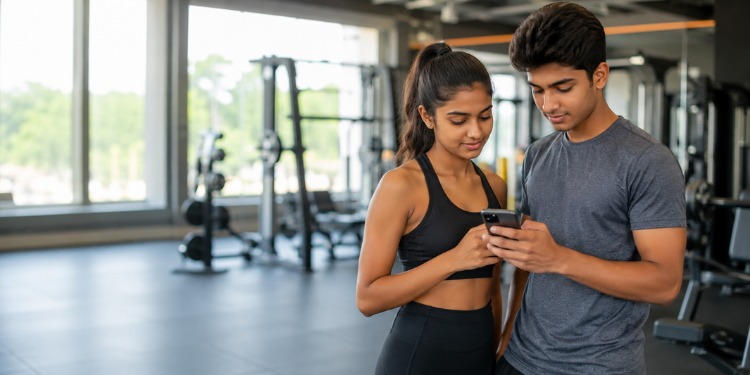
If you open Instagram or TikTok on any Sri Lankan teenager’s phone now, chances are you’ll see it in less than a few scrolls. A transformation video. A before-and-after photo. A sixteen-year-old boy with a bare belly display. A girl doing her ‘what I eat in a day’ with too many or too few calories.
It’s everywhere and hitting teenagers in Sri Lanka before parents are even aware. This is an issue that needs to be discussed in a candid, honest way because of the pressure young people are feeling and what it is.
What’s Really Going On
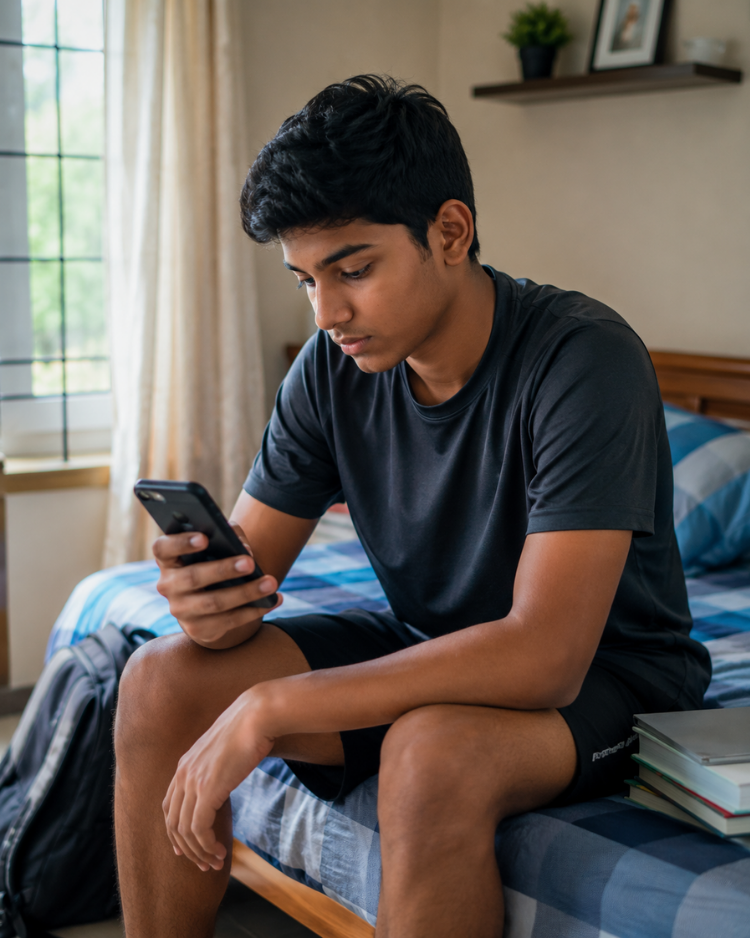
Social media algorithms are very effective at displaying more of what users are interested in. In no time, a teen will be introduced to dozens more fitness transformation videos. In a few weeks, their entire diet can be taken up by extreme before and after photos, food rules, and unrealistic body image expectations, not to mention the majority of it being unhealthy and inappropriate for a growing teenage body.
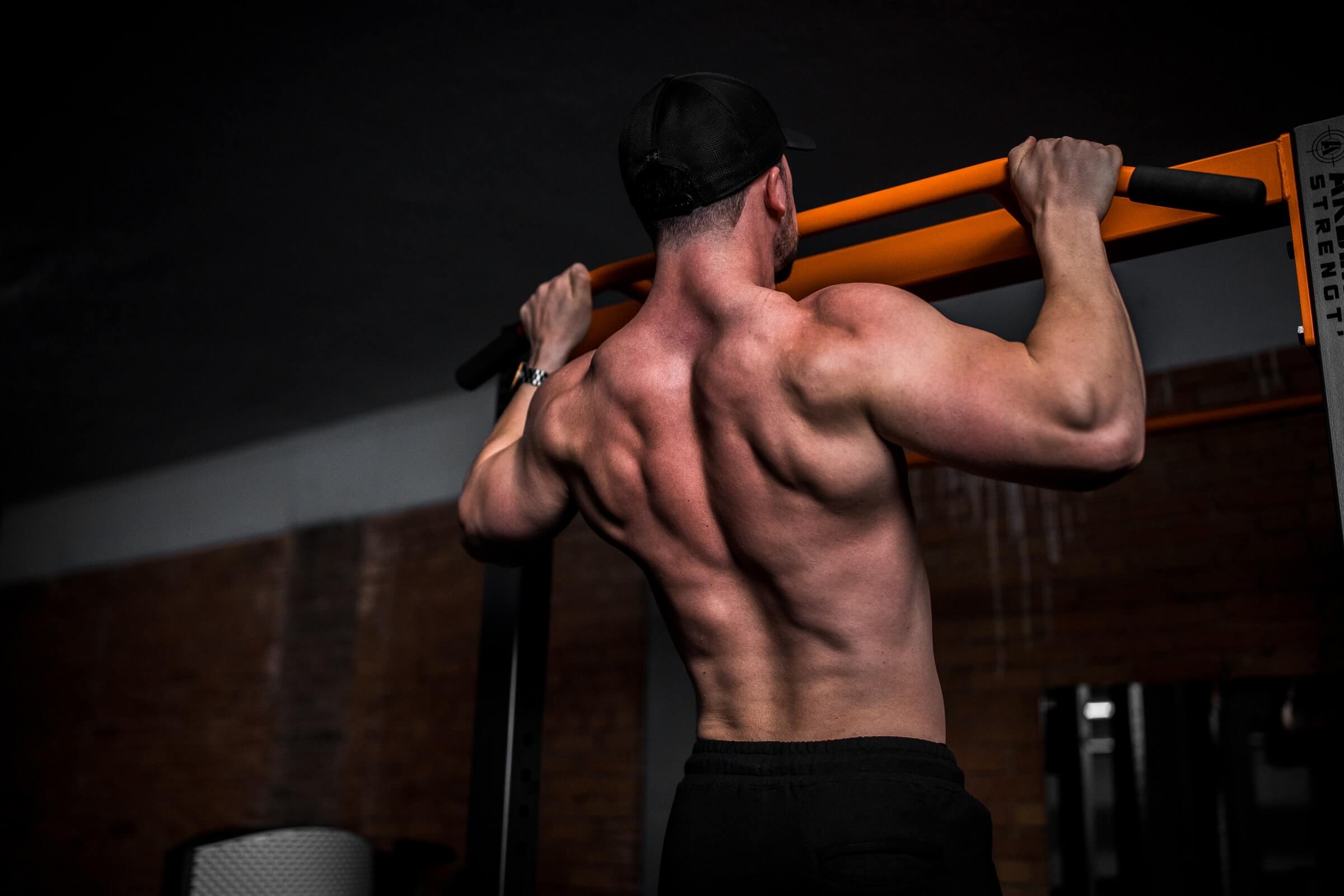
Teenagers are still developing a lot physically, compared to adults. They’re experiencing puberty and growing at a rapid pace, and no one can compare a normal and healthy body growing at a “normal” pace to the pictures that are posted by an adult fitness influencer (usually edited/picked and chosen).
Many of the accounts that teens follow don’t reveal the actor has supplements, specialised lighting, camera angles or in some cases performance-enhancing drugs to achieve their body. A teen looking at this content has no means of discerning what is realistic and what isn’t; they just take it in.
This is important now more than ever in Sri Lanka
In recent years, the gym culture in Sri Lanka has experienced a significant increase. A greater number of gyms have become available. Locally, there is more fitness content produced. This is mostly good news; physical activity is indeed beneficial to health. However, it has also created an era of youth that has not been surrounded by this culture before and is under great pressure of body image.
The stress on Sri Lankan teenagers is unique. Academic stress due to school and exams. Peer pressure, and a lot of it lately via group chats and social media. And more and more, there’s body image pressure on top, the feeling that simply being smart and succeeding in school isn’t enough, that physical looks are another arena in which they have to get good and prove themselves.
For some teens, this is healthy curiosity,y and they want to know the right way to train and eat. For some, the pressure results in an eating disorder, over-exercising and/or an inquisitive interest in substances such as steroids when the body is not even close to completely developed.
Below are listed some of the signs parents and guardians should look for
If a teen becomes very secretive about food, skips meals often or says they’re “not hungry,” but doesn’t eat, or is “not fat enough,” even if they are a healthy weight, it’s important to pay some attention to this change. Too much checking in mirrors, excessive exercise or neglect of school or bed, or a sudden appetite for supplements and unverified online health advice are also indications for a calm and caring conversation.
The idea is not to embarrass or to limit and inhibit a teen’s fitness interest. Exercise is really helpful to young people, physically and mentally. The idea is to keep their body/exercise relationship as a healthy, not an anxious, secretive or harmful one.
Here are some ideas on how to undertake this as a family
There should be an open discussion instead of a limitation. A ban on social media can be counterproductive and drive it further underground. Instead, have a conversation with teens about what they are seeing online. Be curious, not judgmental, about questions: What information sources do they watch, what made them want to watch fitness, what do they think about the people after watching that information?
Encourage teenagers to recognise that lots of the information about transformation on the internet is edited, filtered, and is not necessarily a healthy and sustainable process. Discuss how training for health and strength is different from just training for an appearance that someone sees online.
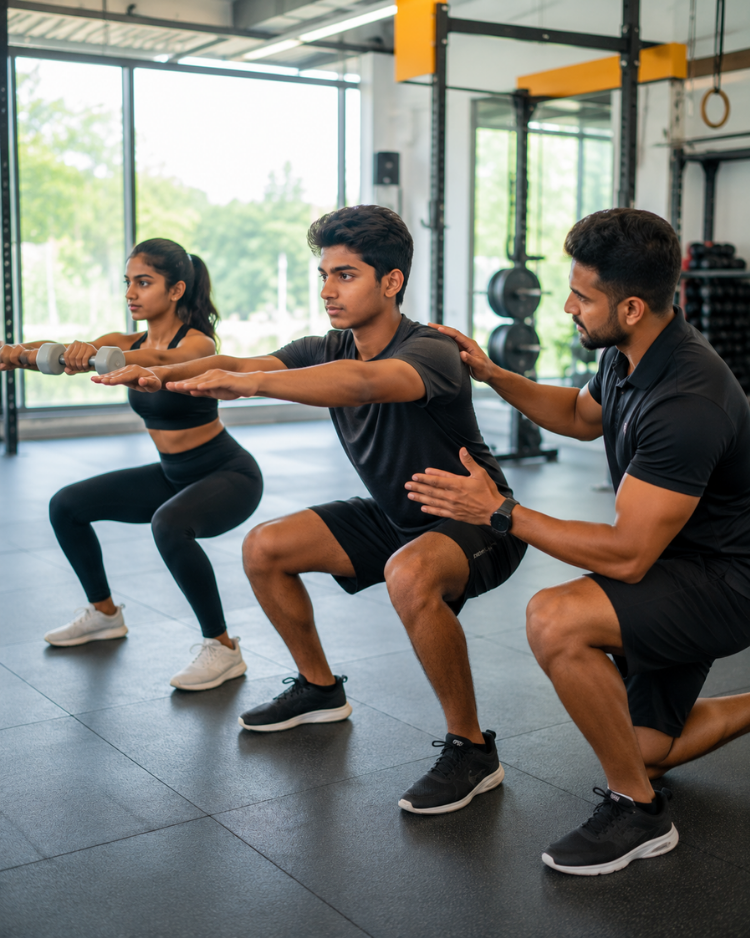
If a teen is interested in fitness, make it a positive. Encourage them to participate in a sport, to be part of a gym programme suitable for their age and supervised, or to train with a qualified trainer who is knowledgeable about the development of adolescents. Play is more beneficial when it is structured and supervised than when it is unstructured and unsupervised attempts to copy adult content observed online.
But if you see signs of any disordered eating, excessive exercise, or a lot of distress regarding their body image, don’t wait for it to go away on its own. Talking to a doctor, school counsellor or mental health professional as early as possible can make a huge difference. That’s what these professionals are trained to help teenagers with and recognising early signs of need is not a sign of failure; it’s a sign of good parenting.

What teenagers should know about themselves
There’s something you should hear if you’re a teenager reading this. The body images you find online aren’t a complete picture. Filters, lighting, angles and selective posting paint a picture of almost no one, including the poster, keeping up a nice, clean appearance all of the time.
Your body is still growing at this age. Never make a comparison with a finished, grown man’s figure, particularly if it’s been edited or enhanced for social media. Think about what you feel, how strong you are, how you’re taking care of yourself, not on driving a specific image that’s meant for viewers.
The Bottom Line
While there are genuine benefits of social media in the fitness realm, so far as Sri Lanka is concerned, there are also real pressures that it places on teenagers, and it’s time to take the bull by the horns of these concerns and not let them go away. If young people in Sri Lanka can start to learn from an early age to love their bodies and feel good in them, rather than comparing them to others, then open conversation, supervised and age-appropriate activity and early help when necessary can help them with this.
“A teen’s value shouldn’t be determined by a photo that’s been edited. True strength comes in small steps, over time and, of course, far from the prying eyes and comments of others.”





Discussion about this post