


This post is also available in:
 English
  Sinhala
Most of the fitness knowledge and information is based on the assumption that you sleep at night and are awake during the day. Assume you’re able to make it to the gym at 6 AM or 7 PM. It assumes that you eat your meals normally, and your body clock is normal.
In the case of hundreds of thousands of Sri Lankans, none of the above is true.
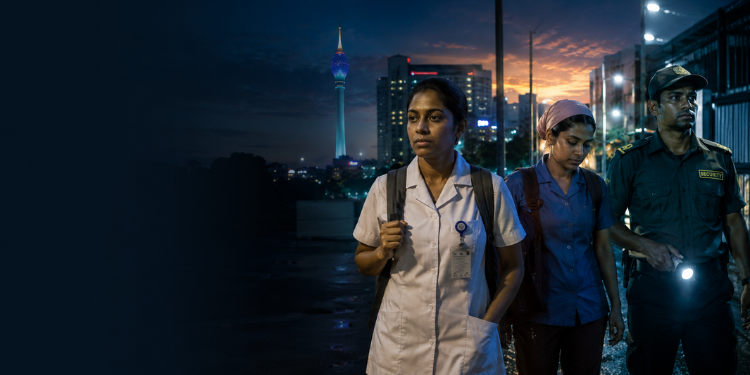
Doctors and nurses working extra shifts at Colombo National Hospital are ending their 10 pm-6 am shifts. Workers leave their garment factories at early nightfall as it gets dark. Someone at the premises was on foot patrol. The County of New Westminster security guards are working at night on their feet. They are among the most avid workers in the nation, and their health is taking a quiet hit.
This Blog is written for their benefit.
The longer you use Night Shift, the more it harms your health
The body operates on a kind of internal clock known as a circadian rhythm. This clock regulates your sleepiness and hunger, hormone secretion and cell repair. It is regulated by light and darkness, and it will make you feel hungry when it’s light out and drowsy when it’s dark.
But in the case of night shift workers, they are trying to work against that clock. But the repercussions are grave.
Long hours of night shift work consistently are linked to a greater risk of Type 2 diabetes, heart disease, obesity, and depression. This isn’t because night shift people are working badly, it’s just so they can sleep in the morning. The reason is that humans are not designed to eat, work and stay alert at 3 AM.
It is a public health problem that few speak about in Sri Lanka, a country where night shift-work is both widespread and highly acceptable in the health, manufacturing, hospitality and security industries.
The great news is that certain practices can substantially mitigate the health harm, and the only prerequisite for doing so is consistency and focus. Changes to shifts are not allowed. However, there’s the option to change the effect it has on the body.
The three most significant health issues that affect Sri Lankan night shift workers are diabetes, hypertension, and obesity
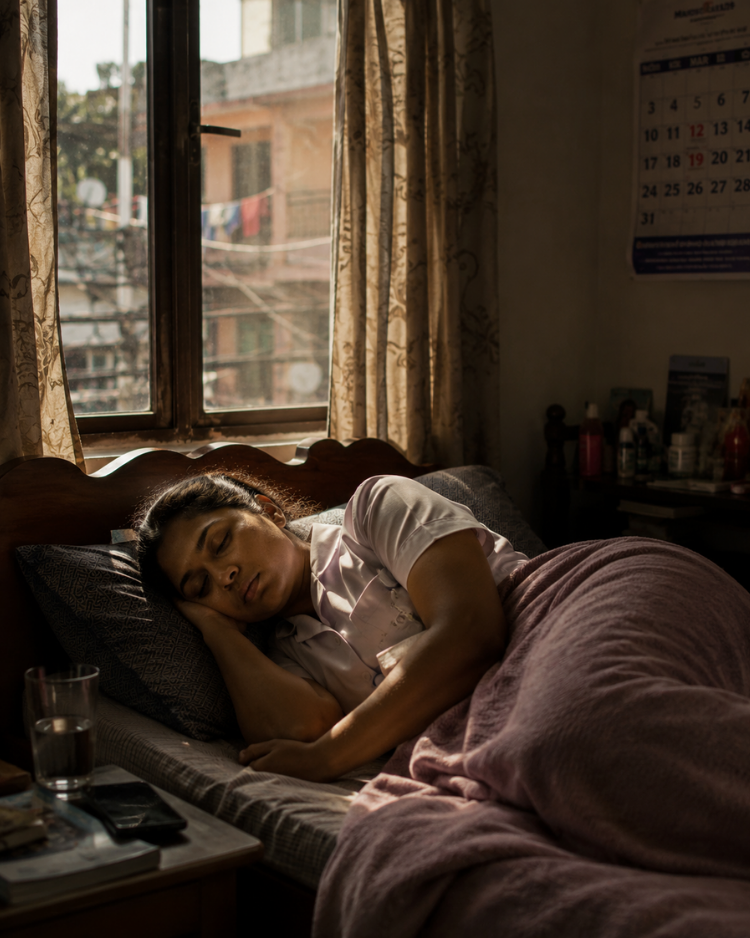
Problem 1: Broken sleep. Most workers attempt to sleep in a house, one whose wakefulness is due to night’s work, which is not asleep. Students are preparing for school to start. People are talking to each other in the street outside the building. Light is glowing through the curtains and the sun is shining. The body is getting all sorts of signals that it should be awake, but the worker craves sleep.
If you don’t sleep well during the day, you don’t get that deep sleep that results in more release of growth hormone, better muscle repair and chronically high cortisol. This causes gradual weight gain, gradually weakening muscles and constant fatigue, which doesn’t ever really abate for the patients over the months.
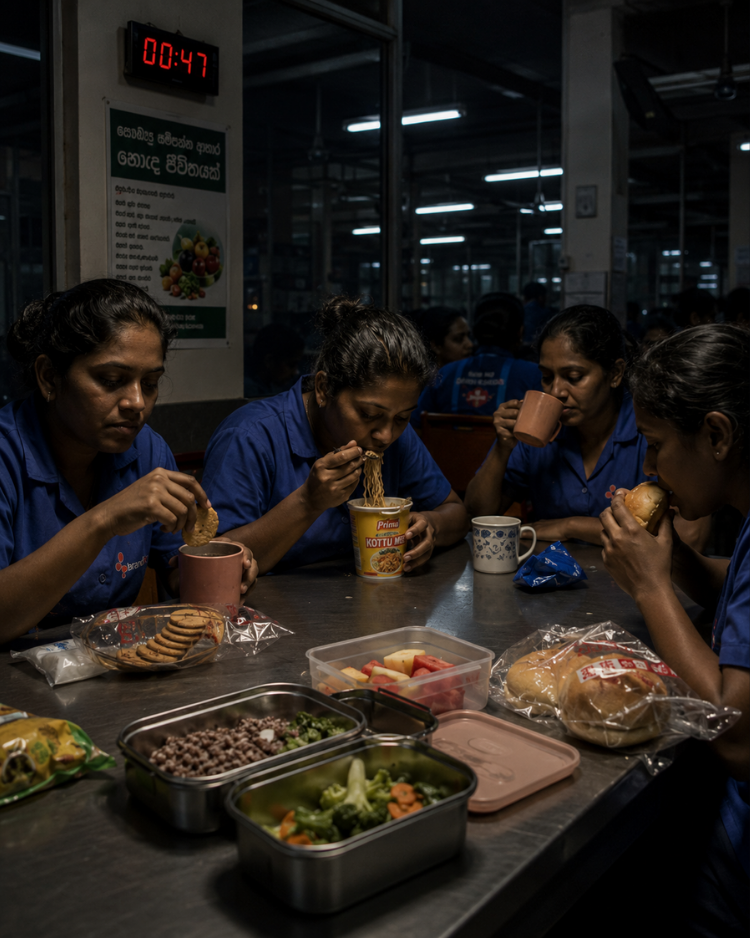
Problem 2: Wrong food at the wrong time. The 2 AM canteen/boutique food is not available in most of Sri Lanka. Those on night shift usually feed on what is available: biscuits, instant noodles, sweet tea, and food from home. These foods have a high sugar and high carb content, and are consumed during a time when metabolism is at its lowest.
The body does not expect to be active at night, and will store as much of your night’s consumption as fat as possible. When someone is working the night shift and eating a lot of food at night, it is putting calories into their body just before they go to sleep. Night shift workers putting large amounts of food into their bodies at midnight are getting calories into their system that they can’t burn for several hours.
Problem 3: Not enough time and/or energy for physical activity. When most workers come home from a very physical or mentally grueling night’s work, the last thing they want to do is exercise. They are exhausted. They need to sleep. They have a few hours before the next shift when they come back in the afternoon!
This cycle makes it more difficult to regularly exercise. Without it, the loss of muscle and the gain in weight, resulting from tossing and turning and substandard nutrition, go into overdrive again.
A practical fitness plan designed to help night shift workers
The typical exercise program is not suitable for someone who is a night shift worker. Here is what it does.
For nighttime workers, the best time to work out will be late afternoon or early evening prior to the actual shift. You have now rested, fed and have some energy. A 10-hour difference between your two working hours isn’t going to make much difference in terms of burn. At 8 pm, it is more sustainable because you are a bit more active to start and have fuelled your body during the day, before you are stranded after work, feeling desperate to exercise.
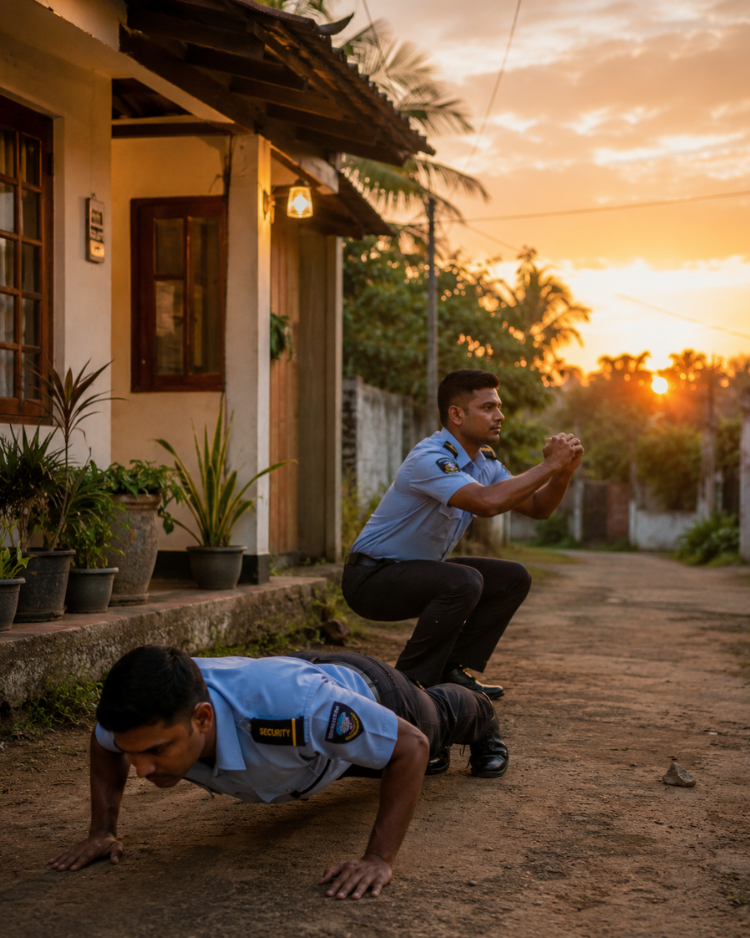
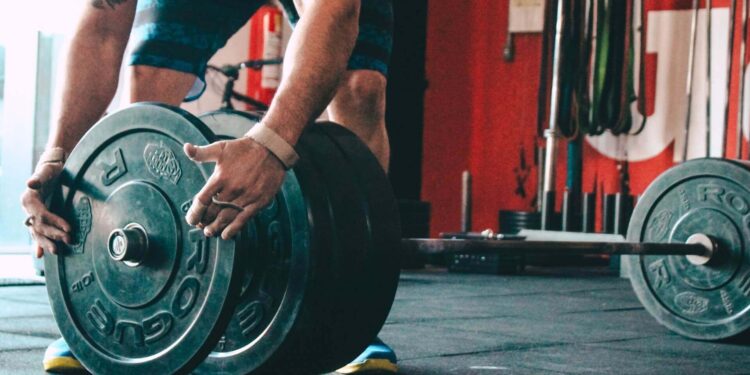
Keep it simple. Body weight circuit exercise for arthritis, no gym and no journey to visit, only squats, pushups, lunges, planks. This workout includes three to four sets of each movement and stipulates a little rest between sets, meaning this workout can be completed in less than 30 minutes.
Take sleep seriously. Have the darkest environment you can for sleep. Use heavy drapes or a heavy-weight eye-patch. Set your phone to vibrate. Please keep noise to a minimum at night (during your sleep time) with family. If possible, sleep in a cool room. These changes genuinely improve the quality of daytime sleep, and are the main change one can make for their overall health as a night shift worker.
Continue to maintain the same sleep pattern over the weekend. If on a day off, you feel rewarded by sleeping at the same time, it is actually harming your body clock even more, consistency vs convenience.
Plan the meal, don’t prepare it during the shift. Make your own breakfast at home instead of going out. Boiled Eggs, rice, dhal and vegetables consumed at midnight in a container are much better than a biscuit and sweet tea from the canteen. It takes 20 minutes to prepare, and can completely change your nutrition on night shifts.
Have 10 – 15 minutes of direct sun in the morning and afternoon. Enjoy a walk outside before your dinner time, it touches you, improves your outlook, and provides a mini vitamin D dose.
The Bottom Line
Working at night is taxing on the body. But it’s not an invitation to make you sick. Over time, several small, consistent behaviors with your sleep, eating, movement and of course your sun exposure before work can have a big impact.
You work and work more than most people ever do. You shouldn’t neglect your health just as you don’t neglect your career.

















Discussion about this post