


This post is also available in:
 English
  Sinhala
Rice and curry are a staple part of the daily lives of many Sri Lankan families. Rice is often served at lunch and dinner, along with other items such as string hoppers, hoppers, bread, and kottu. These foods are a good part of an eating plan; however, many are high in carbohydrates.
Carbohydrates are converted into glucose, which is absorbed into the bloodstream following a meal. You then have insulin to help your body transport glucose from the blood to the cells. Regular exercise will assist your body in managing that glucose if it increases too high after eating.
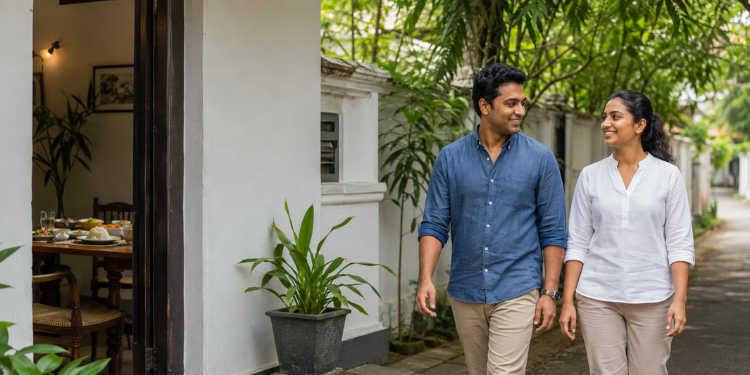
Eating and walking are very simple habits that can help.
Studies have shown that exercise post-meal can help to lower the blood glucose increase as opposed to inactivity. A systematic review from 2023 showed that there was a stronger short-term effect on blood glucose following a meal than the use of exercise before a meal or none at all.
Science behind Blood Sugar Spikes & High-Carb Sri Lankan Meals
Why is traditional rice and curry so high in glucose?
Carbohydrate foods such as white rice are broken down to glucose. Carbohydrate content, amount and nature of the carbohydrate, the size of the meal and additional food served with the meal may all influence the blood glucose response.
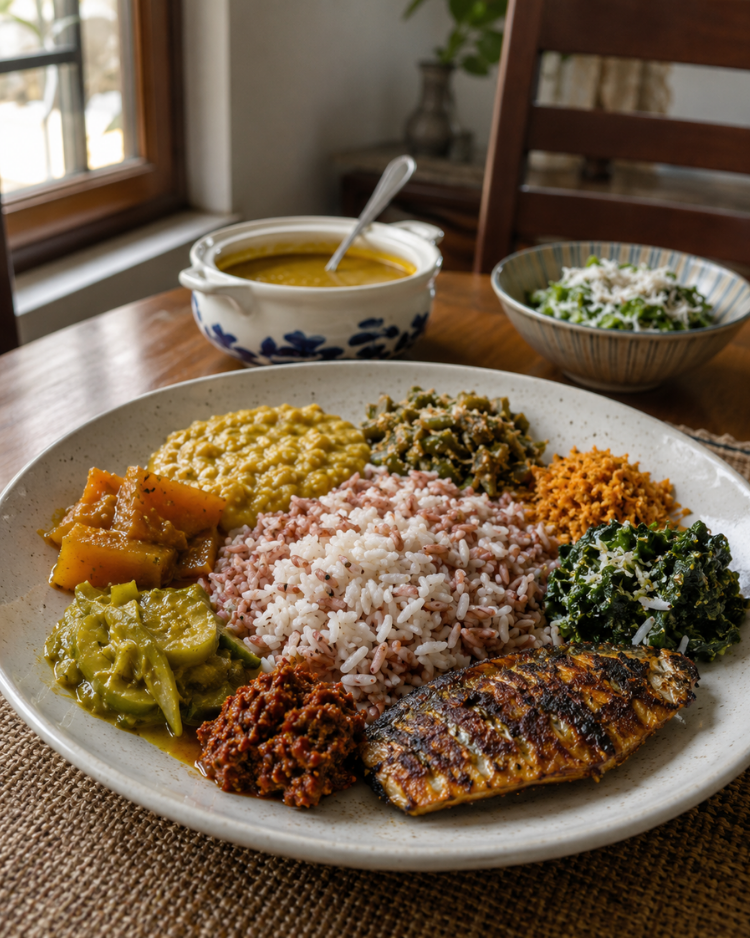
A common Sri Lankan dish is a large portion of rice topped with a curry of dhal and vegetables accompanied by sambol, fish, chicken or another curry. The meal is not necessarily a bad meal. The bigger issue can be the balance and portion size.
For instance, a huge plate of rice with minimal protein and very little vegetables could be a high amount of carbohydrate all in one sitting.
This is not to imply that you need to cut rice out of your diet.
Rather, you might consider the full meal. A sensible allowance of rice, increased vegetables, a protein source and a bit of exercise after meals may be a good idea.
How Post-Meal Movement is a natural “Insulin Sponge”?
You require energy in your muscles to make them function. Physical activity increases the uptake of glucose into the body, and this is facilitated by muscle contraction.
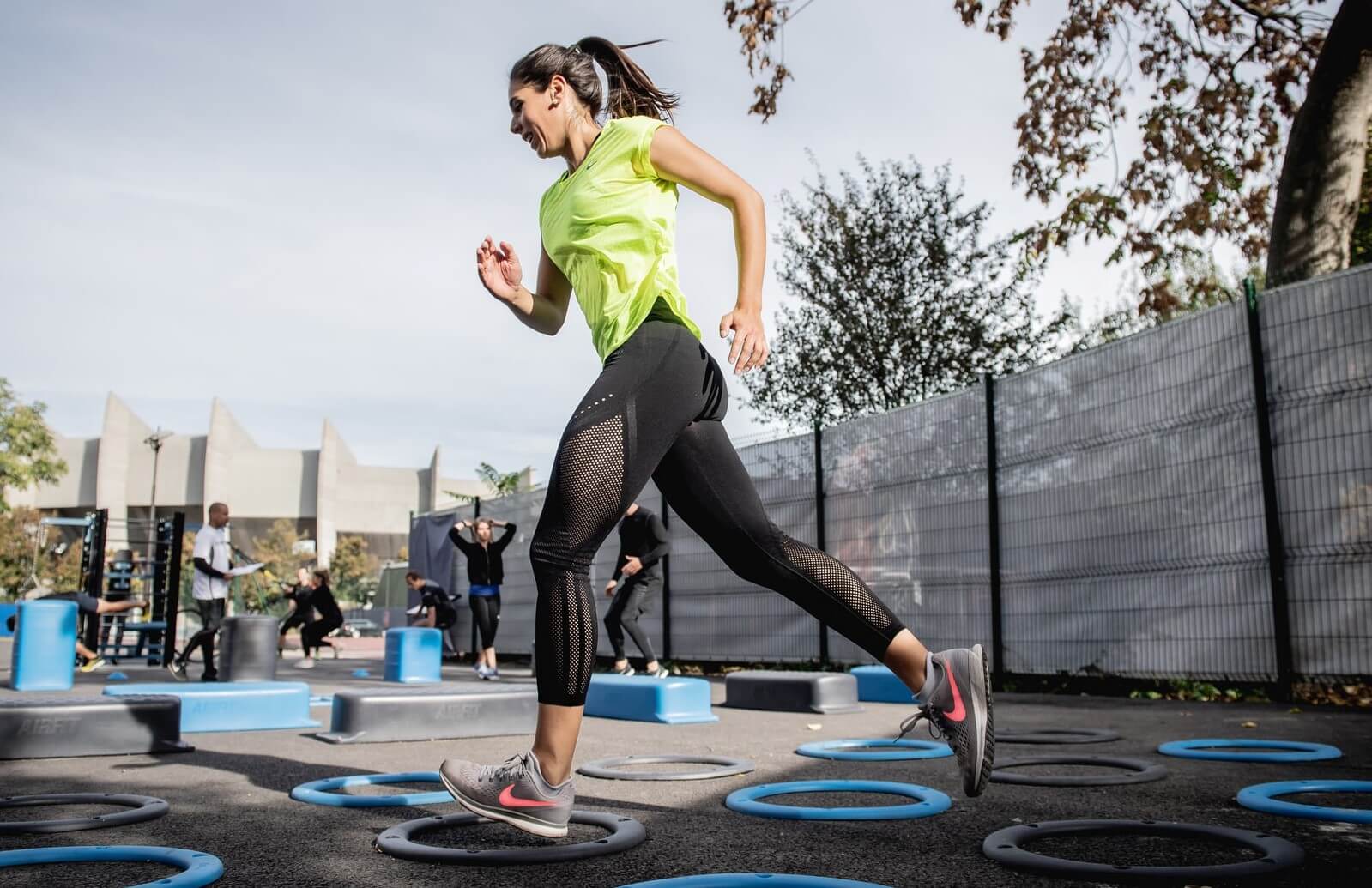
One such reason is that walking after meals can be helpful. You don’t have to run or do difficult exercises. Just getting the body moving will allow some of the available glucose to be utilized by the muscles.
A review of the literature revealed that walking and other types of exercise after a meal reduce post-meal glucose.
Try this: After lunch, do not sit on the sofa or lean on the counter; allow the muscles to work for a while.
The 10-15 minute Post Meal Walking Protocol (PMWP)
Timing: Best Time for Post Meal Walks
You don’t need to have a complicated schedule.
Allow a brief time to get ready after breakfast, lunch, or dinner and start a stroll. It is helpful to begin relatively soon after eating because it has been found that exercise around the time of the meal is more effective on the glucose rise following meals.
Ideal walking time after eating is 10-15 minutes.
If time allows, walk for a longer stretch. However, don’t think that a 45-minute exercise session is always necessary after a meal. The idea is to establish a habit that you can do over and over again.
This may involve taking a stroll around the office complex after lunch for the busy office worker. Walking around the house or apartment could mean this for someone who works from home.
The right pace: moderate vs heavy cardio
The walk should not leave you tired.
Move at a comfortable pace and don’t forget you can talk while you’re moving. You should not feel you are doing hard cardio.
The objective is uniformity.
In a 2022 study, walking at a brisk pace following a meal was shown to lower glucose peaks following various types of meals.
If you have never exercised before, begin gradually. Start slow, practice the routine first before ramping up the speed.
Everyday walking options for both indoors and outdoors in Sri Lanka.
Neighborhood Walking Tracks & Parks
There are numerous locations to encourage walking in Sri Lanka.
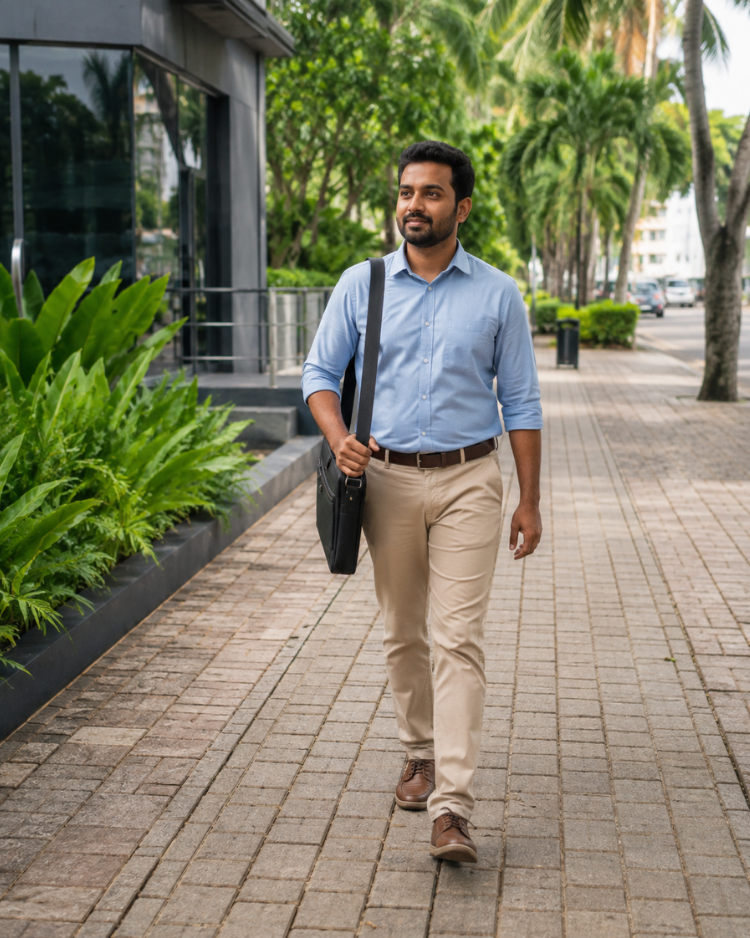
In Colombo, it is possible to stroll around Independence Square or Diyatha Uyana. Local grounds, quiet streets and safe walking areas can work as well.
The ideal place is where you can stroll for exercise and feel at ease.
It doesn’t matter if the walking track is not flawless. You require a spot that will make the habit easy to repeat.
Indoor & Apartment Solutions
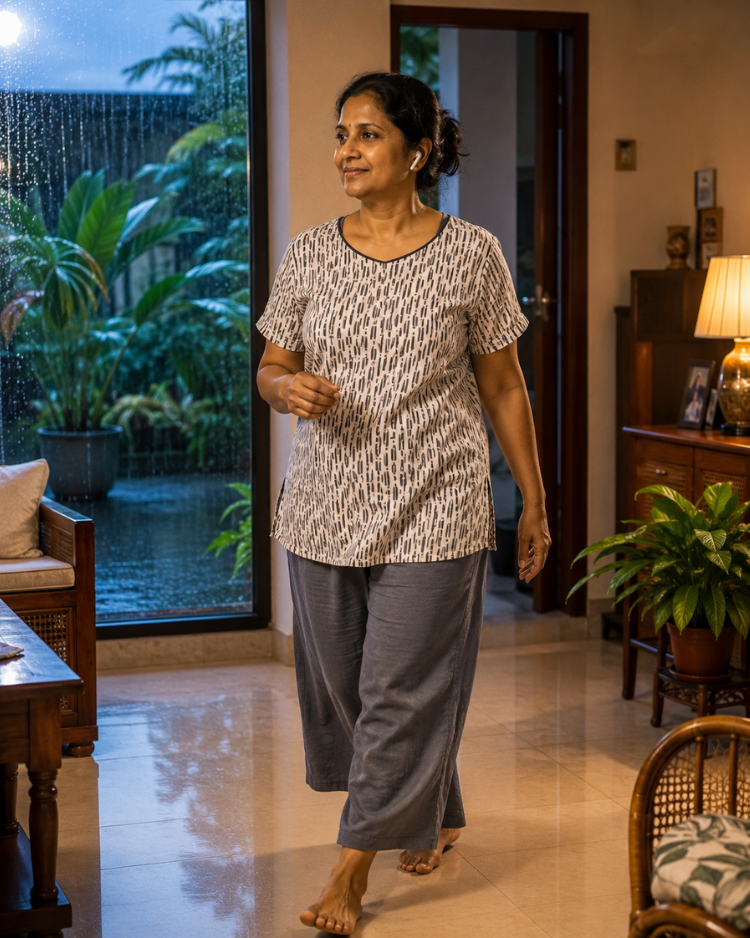
Walking outdoors in Sri Lanka can be challenging due to the weather conditions. Barriers can be heavy rain, strong heat, traffic and poor pavements.
You don’t need to forgo the stroll though!
Stroll around your home. Use a hallway. Smoothly march in place. Go around the house and listen to music or talk on the phone.
For those with sufficient space, or who prefer an indoor activity, a walking pad can be helpful.
It’s about the movement and not the place.
Post-Meal Walks And Simple Dietary Tweaks
Harvesting Heirloom & Red Rice Varieties instead of White Samba/Nadu Rice varieties
There is no need to eliminate rice from your diet.
Try a variety of rice, such as red rice or native rice like Rathu Kekulu and Suwandel. But the type of rice is just one aspect of the meal. Plating size and the other food on your plate are factors as well.
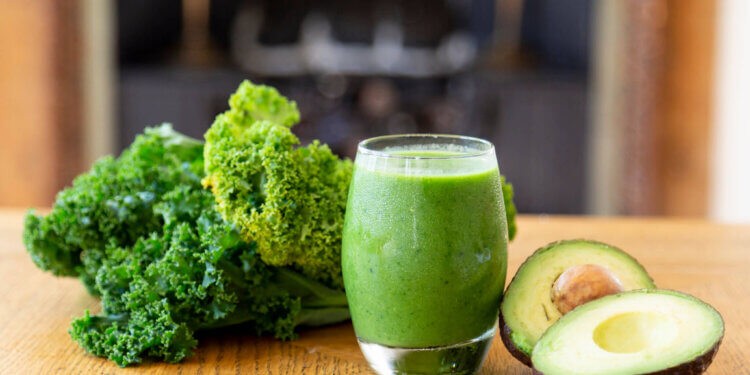
Add more vegetables and a good protein source like fish, eggs, dhal, chicken, or any other appropriate sources.
Eat Veggies & Protein First, Carbs Last
Another way to do it is to focus on the balance of your plate.
Fill the plate with more vegetables and protein foods, and then a reasonable amount of rice.
Don’t try to make every meal “perfect”. Making small changes that you do frequently are easier to keep up than drastic diets.
Sample Daily Routine for Working Professionals & Homemakers
For instance, the simplest example:
Breakfast: Have your normal breakfast and do 10 minutes of walking.
Lunch: Enjoy a healthy serving of rice, vegetables and protein. Walk for 10 to 15 minutes afterwards.
Evening: If unable to walk after dinner, march in the house or around the house.
This week’s challenge is to begin one walk after meals, daily. Add a second walk if this becomes normal.
This habit could also be practiced in addition to regular strength training and other weekly workouts.
The Bottom Line
You don’t have to eliminate Sri Lankan food to control blood sugar.
You don’t need to be a member of a gym or have any expensive equipment to be able to do a simple post-meal walk. Post-meal activity is supported by research findings as a means to lower the short-term glucose spikes.
Start with 10 minutes.
Walk after lunch. Walk after dinner. Go around outside the house during inclement weather.
The point is, it’s not a “workout” meal. It’s about making eating a routine aspect of the movement.
Before modifying your physical activity, consult your health care provider if you have diabetes or are taking glucose control drugs or if you have been advised not to exercise.
Anchor Phrase |
Link |
| post-meal exercise and blood glucose | PubMed – Systematic Review on Post-Meal Exercise and Blood Glucose |
| post-meal walking and glucose response | PubMed – Effects of Postprandial Walking on Glucose Response |
| physical activity for diabetes management | Sri Lanka Ministry of Health – Physical Activity Guidelines for Diabetes |
| Sri Lanka diabetes exercise guidelines | Sri Lanka Ministry of Health – National Diabetes Guidelines |
| traditional red rice in Sri Lanka | FAO – Sri Lankan Red Rice Information |




Discussion about this post