


This post is also available in:
 English
  Sinhala
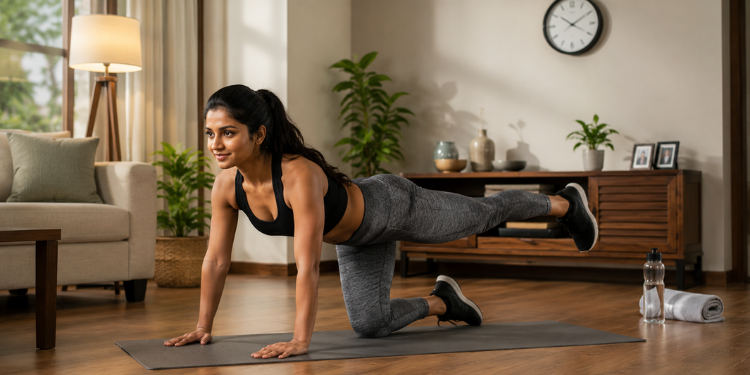
Long gym sessions were once thought to be required for true fitness. Two hours of gym, several machines and reps, reps and more reps. However, the trend in fitness research and practical outcomes in recent years has cast doubt on this idea. Short, focused and well-structured exercise sessions of 20-30 minutes are now as effective, if not more effective, than longer sessions that are unfocused and not well structured. This is great news for the busy women of Sri Lanka who have to balance work, family and household responsibilities. This guide clarifies exactly why these short, structured workouts are so effective and how to create a workout that doesn’t even need a gym membership, depending on how bushed you are on a given day.
Why time is not the sole determining factor for the structure of the brain
It is important to remember that 20 minutes at home can be as effective as an hour at the gym, as long as it is structured in an appropriate manner. Typically, an unstructured hour involves taking a lot of time between sets, deliberating on what to do next, wasting time on your phone and performing exercises that have nothing to do with your workout plan. A structured 20-minute session, by contrast, makes use of every minute. Exercises are pre-selected. Time for rest is carefully and concisely managed. No time to waste deciding what to do next during the session. This is where a well-designed 20-minute circuit can yield a greater training effect for a fraction of the time spent as compared to 60 minutes of unfocused training.
This is the science behind short, intense sessions. Here is the science behind short, intense sessions
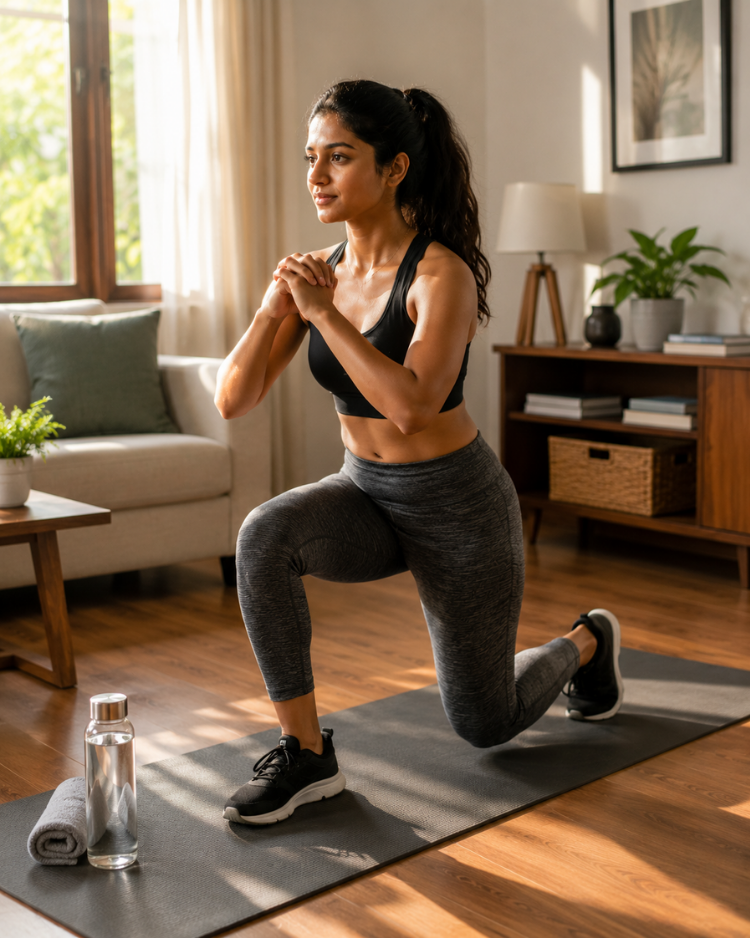
The key to the success of short workouts is that they raise your heart rate and hold it up and there is very little resting between exercises during the entire workout. Often referred to as “high intensity interval training“, this method causes an afterburn effect, where your body burns more calories for hours after you have finished training, trying to recover and rebuild your body. Multiple short sessions are shown in studies to have the same fat loss and fitness benefits as longer, more intense sessions, when the intensity and structure are kept in each and every session, circuit, and repetition.
The power of consistency is stronger than length
The number one benefit to short workouts is that they are much easier to consistently fit in week after week while keeping your busy life going. A 20-minute exercise session can be done before breakfast, during lunch hour, or late in the day and doesn’t involve traveling to a gym, paying gym fees,s or having a lot of free time to spare. This is so because the one thing that is clear in all the research is of huge importance. If you compare a higher number of shorter workouts per week to a lower number of longer workouts per week, then a longer workout once a week is not a better option over the course of weeks and months. Over weeks and months, the same number of shorter workouts per week on a consistent basis is better than the longer workout once per week, every time. It’s consistency and not length that makes for visible, lasting, physical changes over time.
Creating a Structured 20-minute workout in a Self-managed Way
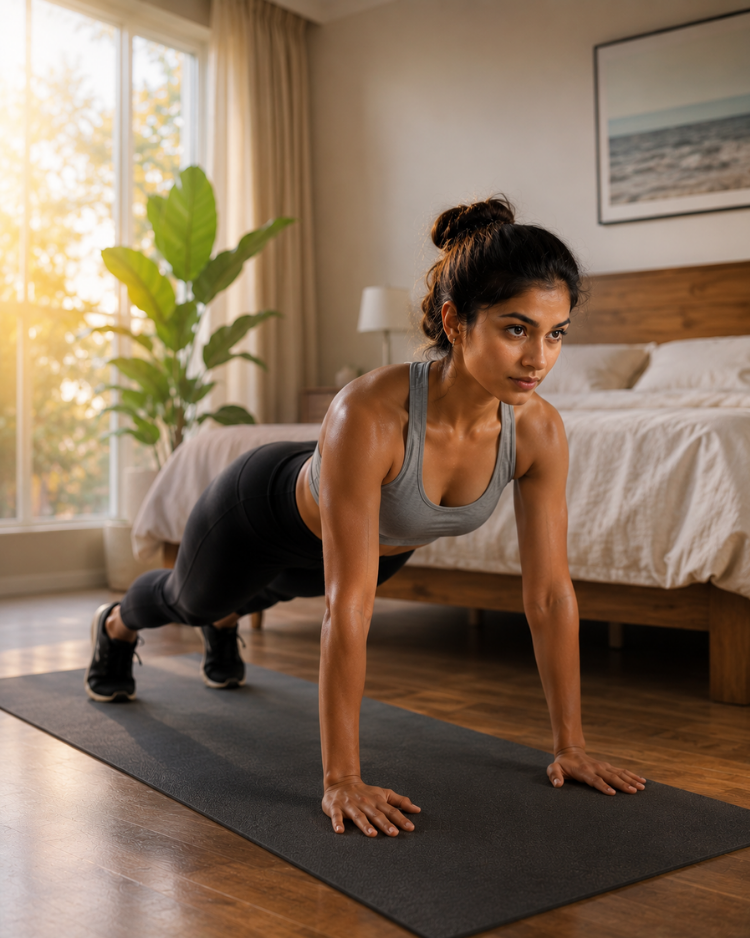
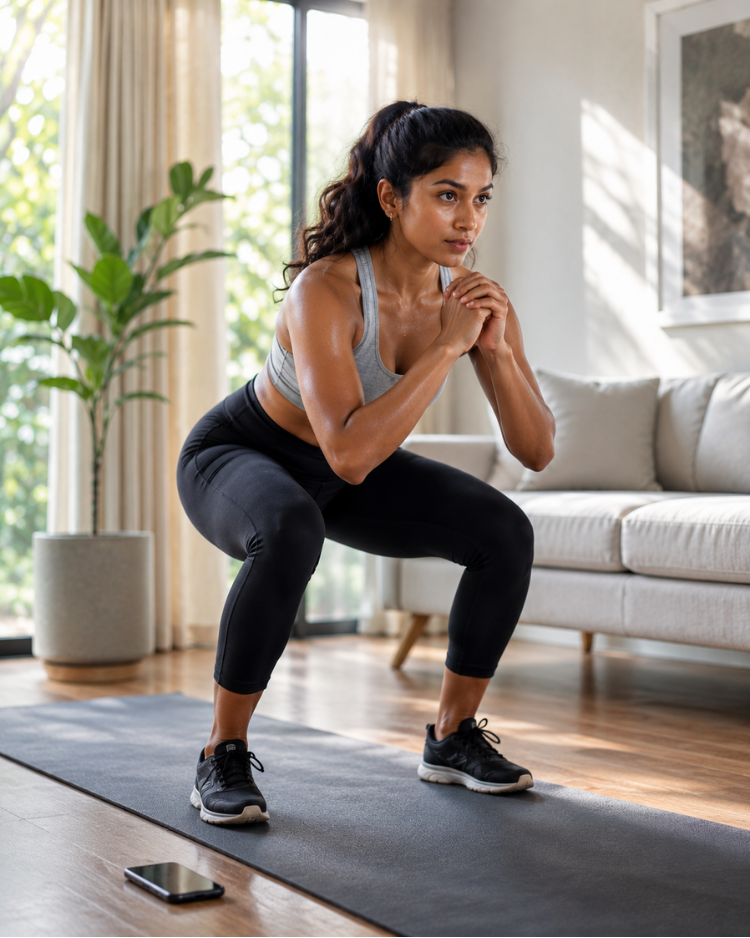
Select 4-6 compound exercises, exercises that target several muscle groups at once, or several different exercises that target the same muscle group. This can be accomplished through good examples such as squat, push-up, lunge, mountain climber, glute bridge, and plank, all in succession. Do each exercise for 40 seconds, then rest for 20 seconds, before moving right on to the next exercise in the sequence you are doing. Once through all exercises, this is one round of the circuit. Then do the entire circuit again for 60 seconds, 2 more times for a total of 60 seconds. The steady pace of this 3-round workout involves the entire body system, taking just about 20 minutes.
Why This Beats an Unfocused Hour
If you don’t have a clear workout plan when you get to the gym, then there is a lot of downtime in between sets, you wait for equipment that you need, and you may spend a lot of time on one area, and not even work out that other area at all during the workout. This wasted time is sorted out by a well-designed 20-minute circuit, where the whole body is catered for in one short, effective session. But many women find that they start seeing a difference in their results within a couple of weeks after replacing the hour of unstructured exercise they used to visit the gym for with a 20-minute circuit they create at home, as they are now training regularly rather than haphazardly and unevenly with muscle groups.
How to Make It Work in Reality
For Sri Lankan women, the greatest benefit of this is the flexibility that is true. No equipment at all is needed to perform a 20-minute structured circuit in a bedroom, small living room, or even on a balcony! No gym, no special clothes, and no taking time off your day to exercise. This eliminates almost all the everyday excuses for women who have busy schedules from sticking to a regular exercise routine week to week. Make this time in the day a regular time, such as first thing in the morning before the family gets up, or in the evening after dinner, and make it sacrosanct.
The Bottom Line
Gym sessions that were traditionally longer and non-structured are no longer the benchmark of activity that they once were and were widely believed to be by fitness professionals as well as everyday gym attendees. If you can get to the gym 5-6 times per week for 20 minutes, you’ll achieve better, more lasting results than every once in a while, for two hours at a time. Focus on structure, rather than length of time, focus on consistency, rather than intensity for intensity’s sake, and trust the process even when motivation is low. Regardless of your packed schedule, you will notice that 20 minutes of focus can have a profound impact on your body over time, on your energy, and, eventually, on your confidence level as well.



















Discussion about this post