


This post is also available in:
 English
  Tamil
Tamil
People of all ages should stay active, but our bodies may need certain extra care as we age. Activities with little impact were a great way for people older than fifty to stay fit, strong, and protect their bones from overdraining. While these exercises are easy on the body, they are still good for you and can help you stay active and improve your quality of life in general.
We will talk about what easy exercises are, why they are important to people older than fifty, and the best ones to try in this blog. If you’re a beginner to fitness or coming back to it after a break, this information may help you move with confidence and safety.
Why People Over 50 Benefit From Low-Impact Exercise
Exercises that minimise joint stress by keeping less than one of your feet on the ground or moving very gently are known as low-impact workouts. They are, therefore, a great choice for senior citizens who might be worried about severe joint pain, balance issues, or a slower rate of recovery.
The following are some significant advantages of low-impact exercise for adults over 50:
- Lowers the Risk of Injury and Protects Joints
Joints would become stiff and difficult to move as we age, due to the irritation. The exercises that have a lower impact will strengthen the muscles and make your joints stable, lessening the ageing effect on the cartilage.
- Improves Balance and Adaptability
Low-impact activities such as balance or simple stretching prevent you from falls and maintain your steadiness.
- Increases Energy and Mood
Regular activities bring out emotions that will lower your stress and improve your mental health.
- Promotes Weight Loss
When you are energetic, you can maintain your healthy weight, which will also reduce the chance of high blood pressure, diabetes, and other serious illnesses.
Key Points to Keep in Mind Before Starting a Workout Session
It’s an excellent idea to consult your physician beforehand when you start your first fitness program, to ensure the workouts fit well in your personal needs for wellness, especially if you suffer from any sort of medical condition.
- Be slow and listen to the body.
- Select things you enjoy to keep you interested and on track.
- Be careful to use the correct form to avoid hurting yourself.

Exercises for Over-50s with Low Impact
These are among the finest, most pleasing, and simplest low-impact exercises that you can fit into your daily life.
- Walking: A KISS Approach
Walking is the simplest means of remaining fit, a low-impact mobility that prevents the joints from undue strain. You may either walk anywhere you please at a comfortable stride for you, or live life by walking with fellow workers or in clubs.
Advantages: Enhances your heart and bone health and lifts your mood.
Advice: You’ll be able to spend 10 to 15 minutes daily, building up from here, and just ensure you’re wearing comfortable shoes.
- Swimming and Water Aerobics: Joint-Friendly Alternatives
Although they tend to get easily overlooked, they exhibit incredible strength-building resilience, and the water’s buoyancy reduces stress on joints. The aspect makes them highly suitable for individuals who have arthritis or suffer from joint pain.
Advantages: Developed muscle mass, increased flexibility, and heart fitness.
Advice: Find community pool classes that offer special sessions just for senior adults.
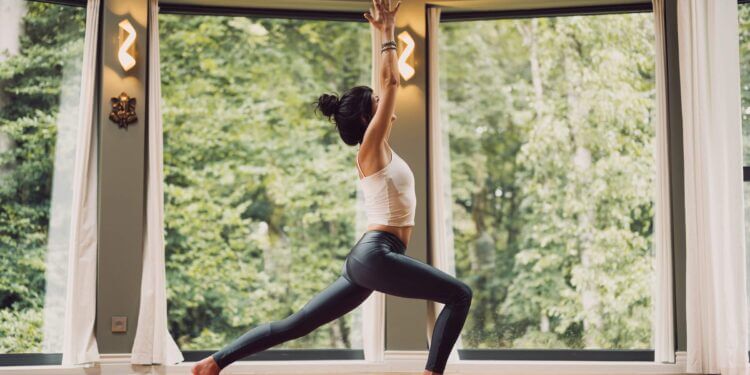
- Yoga: Change and Body Recognition
Yoga, which involves stretches, balance, and deep breathing, is a further excellent choice. That may help you relax, improve your alignment, and feel less pain.
Advantages: increases muscle tone, coordination, and reduces stress.
Advice: It is recommended that you take easy or beginning yoga classes taught by highly skilled teachers.
- Pilates: Strength and Stability of the Core
Pilates’ key goals are to improve the muscles of your core, improve your balance and posture, reduce back pain, and improve your range of motion.
Advantages: Increased mobility and core strength support daily tasks.
Advice: Some studios have senior sessions, and they start with beginning Pilates or mat classes.
- Low-Impact Cardio Cycling
The influence of jumping on a bicycle provides a great cardiovascular exercise. Also, it greatly improves strength in the legs.
Advantages: Improves heart strength and thigh muscle tone.
Advice: To ease the stress on the knees and back, ensure that your bicycle fits.
- Tai Chi: Balance and Motion
The flowing, slow movements of tai chi, a soft martial art, wonderfully complement balance and coordination and reduce the chance of falls.
Advantages: Enhances general mobility, balance, and mind.
Advice: Consider signing up for Tai Chi for beginners near you.
How do you design a low-impact, well-balanced program of exercises?
One does not have to devise a complex, personalized fitness program with numerous exercises to have benefits for the whole body. Here are some exercises that’ll help you.
- Cardiovascular Exercise: Make sure you do moderate-level exercises, like walking, cycling, or swimming, for at least 150 minutes a week.
- Strength Training: Do strength exercises twice or thrice weekly. Attempt to utilize the primary muscular structures by means of bodyweight exercises, elastic bands, or light weights.
- Flexibility: In order to increase flexibility and lessen the chances of falls, do Pilates, yoga, or tai chi twice to three times a week.
- Rest Days: Prevent overuse injuries by treating yourself right and including rest or slow-key days.

How to Stay Motivated and Safe
It might be difficult to follow a regular exercise pattern, especially when adding new exercises. The following habits will help you follow a regular pattern without facing any injuries:
- Start with simple goals, such as walking for 5 minutes or trying a new yoga pose.
- Maintain a diary to note down your progress.
- You can make it more fun by doing several activities.
- Pay attention to your body changes as well. If you are feeling uncomfortable with an exercise, stop and change to another.
- Have a healthy, balanced meal and drink enough water to improve your workouts as well.
Common Low-Impact Exercises You Can Do at Home
Here are some of the simple exercises you can include in your everyday routine without any equipment:
- Chair Squats: Stand in front of a sturdy chair, stoop to sit, and then stand back up. Great for leg strength.
- Wall Push-Ups: Face a wall, set your hands on it, then do push-ups against the wall to build up your upper body.
- Seated Leg Lifts: While sitting, raise one leg straight and maintain it, for your thighs to get stronger.
- Calf Raises: To increase the strength of your calf muscles, stand up and slowly lift your heels before lowering them again.
- Gentle Stretching: Rotate your ankles, arms, and neck to improve your flexibility.
Health Tips to Help You on Your Physical Fitness Journey
Doing workouts alone will never help you be healthy as you age; you should also maintain a healthy and balanced diet.
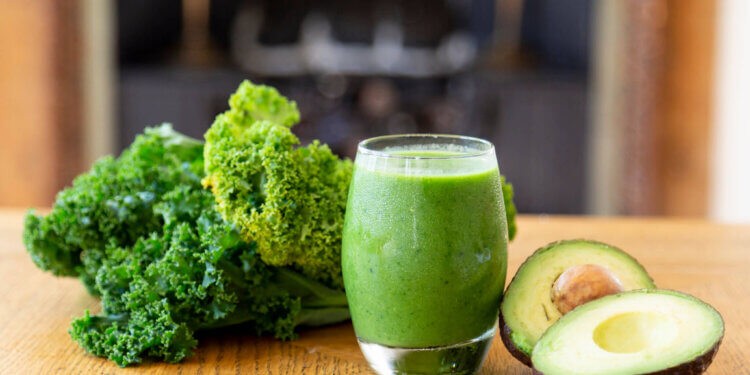
- Add protein foods such as meats, eggs, beans, and nuts to support your muscle growth and maintenance.
- Consume milk products and green vegetables that have calcium and Vitamin D to support bone health.
- Take in fat sources such as olive oil, fish, and avocados.
- Fibre helps in losing weight along with digestion and is found in fruits, vegetables, and whole grains.
- Keep yourself hydrated. Make sure you’re drinking enough water daily.
When you Need Specialist Advice
So, when do u actually need a specialist’s advice? That’s when you are not confident enough to begin a new workout plan or have health concerns, such as issues with bones, arthritis, or heart issues. Consider the following:
- Customise your exercises properly by consulting a physical therapist.
- Consult a senior fitness expert or work with a certified personal trainer.
- Have in mind to consult your physician for routine examinations.
Final Thoughts
Low-impact workouts provide people above 50 a safe and effective way to stay active, healthy, and independent. They focus on gentle movements that protect your joints while helping you build strength, balance, and flexibility. You can maintain fitness without risking injury.
Always remember to start slow, listen to your body, and maintain fitness as a fun and regular part of your life. It can either be a peaceful swim, a calming yoga class, or a small walk in the park; every step you take will make you healthier.
Stay motivated, stay strong, and enjoy the journey of lifelong wellness!






Discussion about this post